

1. When discovering the persons injured in a traffic accident need rescue while driving, the driver should _________.
A. Send the injured persons to hospital in a timely manner or make emergency calls
B. Dodge as much as possible
C. Go ahead by bypassing the scene
D. Find an excuse to dodge the scene
Answer: A
2. ABS system can maximize the braking efficiency when conducting _______
A. braking intermittently
B. braking continuously
C. applying emergency braking
D. gently depressing the brake pedal
Answer: C
3. It flashes when turning on the hazard lights.

A. Right
B. Wrong
Answer: A
4. When passing an unmanned level crossing, the driver should ________.
A. Speed up and pass
B. Reduce speed and pass
C. Maintain the speed and pass
D. Stop, look and pass
Answer: D
5. This sign reminds the lane or the road narrows on both sides ahead.
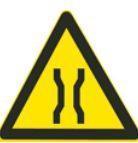
A. Right
B. Wrong
Answer: B
6. The front safety bags play a fully protective role when used in conjunction with ______
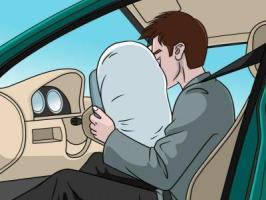
A. ABS system
B. seat belt
C. safety pillow of the chair
D. safety glasses
Answer: B
7. When a vehicle running at night encounters a curve ahead, its lighting ____.
A. Leave the road surface
B. Moves from the center of the road to the roadside
C. Does not change its distance
D. Become lower
Answer: B
8. Whats the meaning of this sign?
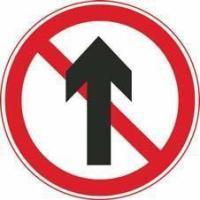
A. no right turn
B. no U turn
C. no going straight
D. no left turn
Answer: C
9. What pedal is it?
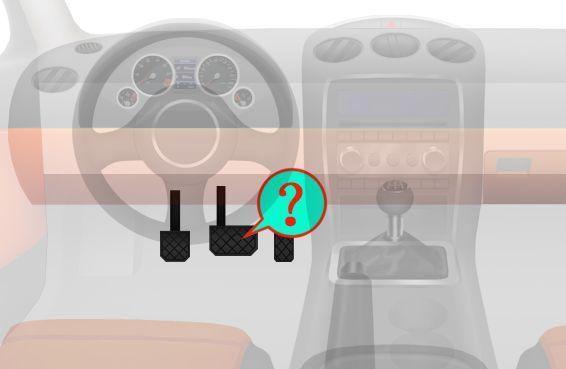
A. clutch pedal
B. accelerator pedal
C. brake pedal
D. handbrake
Answer: C
10. Which kind of vehicle can be initially applied for when one reaches 20 years old?
A. large truck
B. large bus
C. midsize bus
D. trailer
Answer: A
11. When a motorized vehicle breaks down at night, and is difficult to move, the driver should turn on the hazard lights, the contour lights and the tail lights.
A. Right
B. Wrong
Answer: A
12. What is the time limit of deferred license checking due to military service, abroad and other reasons?
A. 3 years
B. 5 years
C. 1 years
D. 2 years
Answer: A
13. A driver may drive a motorized vehicle after the driving license has been lost within 3 months.
A. Right
B. Wrong
Answer: B
14. How to make a U turn in this intersection?
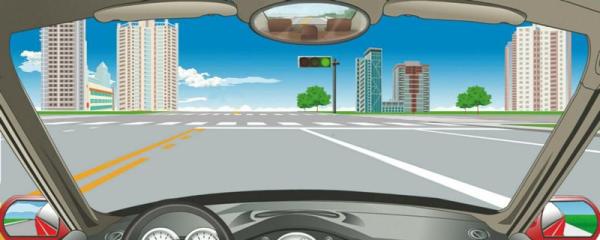
A. broken lines of the central line
B. make a U turn from the right lane
C. enter the intersection and make a U turn
D. make a U turn in the crosswalk
Answer: A
15. Before a vehicle enters an intersection, the driver should reduce speed, observe and make sure it is safe to do so.
A. Right
B. Wrong
Answer: A
16. Whats the meaning of this sign?
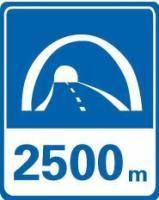
A. the distance from the tunnel exit
B. the distance from the tunnel entry
C. the distance of following the vehicle in front in the tunnel
D. the whole length of the tunnel
Answer: A
17. It is not safe for a woman driver to wear high heels to drive a vehicle.
A. Right
B. Wrong
Answer: A
18. When driving a vehicle on the road, the driver should drive safely at the prescribed speed.
A. Right
B. Wrong
Answer: A
19. This set of the hand signals of the traffic police indicates that the vehicles should ___ .
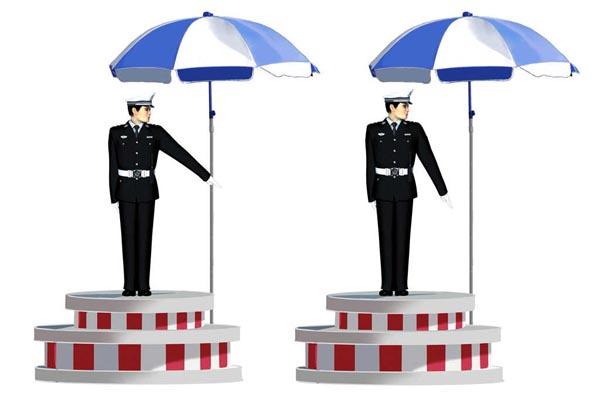
A. turn left
B. wait to turn left
C. reduce speed and pass slowly
D. turn right
Answer: B
20. Whats the meaning of this sign?
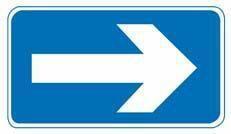
A. left one-way road
B. right one-way road
C. straight one-way road
D. yield if going to turn right
Answer: B