

1. If a person who has caused a major traffic accident and if his act constitutes a crime, he may not be held for criminal liabilities.
A. Right
B. Wrong
Answer: B
2. Whats the meaning of this sign?
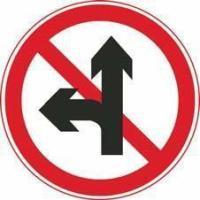
A. no going straight and no changing to left lane
B. no going straight and no left turn
C. allowed to go straight and turn left
D. no going straight and no right turn
Answer: B
3. When encountering non-motorized vehicles intending to bypass a stopping vehicle, the driver should ________.
A. Honk to indicate them to yield
B. Yield to them
C. Speed up and bypass
D. Follow them closely and honk
Answer: B
4. Traffic Police can detain the driver according to law, if the driver drives a motorized vehicle which is suspected of reaching the write-off standard.
A. Right
B. Wrong
Answer: B
5. When overtaking, the driver should try his best to increase the horizontal distance and,when necessary, may cross the solid line to overtake.
A. Right
B. Wrong
Answer: B
6. When a vehicle stops temporarily in a snowy day, the driver should turn on _______.
A. The head and tail fog light
B. The reserve light
C. The high beam light
D. The hazard lights
Answer: D
7. An unregistered motorized vehicle should have _________ if it has to run on the road temporarily.
A. certificate of legal origin
B. license plate for temporary moving
C. borrowed license plate
D. certificate of legal unit
Answer: B
8. Whats the meaning of this sign?
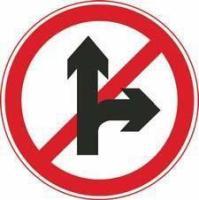
A. no going straight and no changing to left lane
B. no going straight and no left turn
C. allowed to go straight and change to left lane
D. no going straight and no right turn
Answer: D
9. This sign indicates running slowly or stopping to let the vehicle on main road go first.
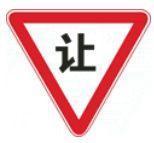
A. Right
B. Wrong
Answer: A
10. Whats the meaning of this sign?
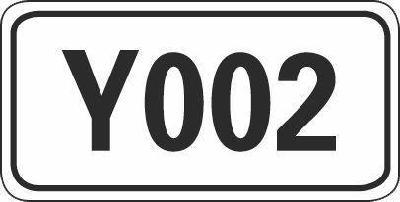
A. provincial highway No.
B. county road No.
C. township road No.
D. national highway No.
Answer: C
11. In which situation that a driver will not allowed to drive?
A. penalty points reach 10 points
B. penalty points reach 6 points
C. driving license lost or destroyed
D. driving license is nearly expired
Answer: C
12. Whats the meaning of this sign?
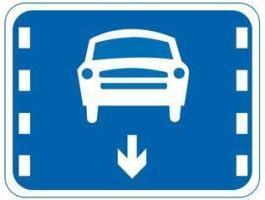
A. lane for small vehicles
B. special lane for small vehicles
C. special lane for multi-passenger vehicles
D. lane for motorized vehicles
Answer: D
13. This sign means the opposite vehicle should stop to yield when crossing each other.
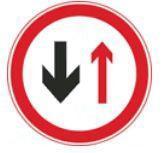
A. Right
B. Wrong
Answer: B
14. Driving a motorized vehicle shall not overtake in tunnels, steep slopes and other special sections.
A. Right
B. Wrong
Answer: A
15. It lights to indicate that ______
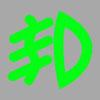
A. the tail fog light is turned on
B. the low beam light is turned on
C. the high beam light is turned on
D. the head fog light is turned on
Answer: D
16. Whats the meaning of this sign?
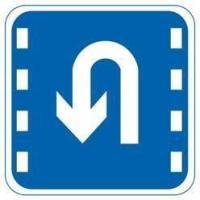
A. U turn lane
B. bypassing lane
C. lanes for going in different directions
D. left-turn lane
Answer: A
17. Whats the meaning of this sign?
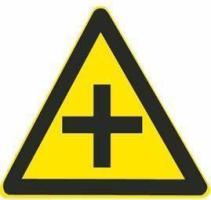
A. intersection
B. ring intersection
C. T-shaped intersection
D. Y-shaped intersection
Answer: A
18. Whats the meaning of this sign?
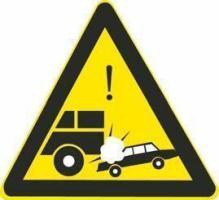
A. accident-prone section
B. construction section
C. reducing speed and going slowly section
D. jammed section
Answer: A
19. When encountering children on the road, the driver should _________.
A. Reduce speed and go slowly, or stop to yield when necessary
B. Continuously honk to urge
C. Swiftly bypass from one side
D. Speed up and bypass
Answer: A
20. The driving license will be revoked when the person is executed community drug treatment, forced isolation treatment or community-based rehabilitation measures.
A. Right
B. Wrong
Answer: A