

1. How to use lights when changing to the left lane on road?
A. turn on the right-turn signal in advance
B. not need to turn on any turn signal
C. turn on the left-turn signal in advance
D. turn on the low beam lights in advance
Answer: C
2. The driver is prohibited from opening the door and letting passengers on and off when a vehicle has not come to a full stop.
A. Right
B. Wrong
Answer: A
3. When braking on a muddy road, the tires can easily spin or drift and cause traffic accidents.
A. Right
B. Wrong
Answer: A
4. You can overtake from right side in this case.
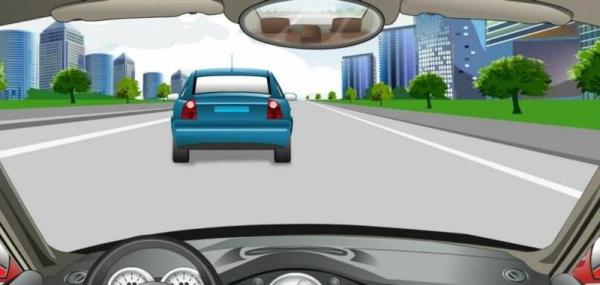
A. Right
B. Wrong
Answer: B
5. You have the priviledged passing right of way in this situation.

A. Right
B. Wrong
Answer: A
6. Whats the meaning of this sign?
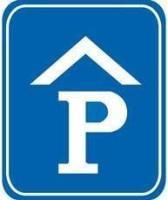
A. special car park
B. uncovered car park
C. indoor car park
D. internal car park
Answer: C
7. It lights to indicate that ______
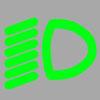
A. the tail fog light is turned on
B. the low beam light is turned on
C. the high beam light is turned on
D. the head fog light is turned on
Answer: B
8. Traffic Police can detain the vehicle according to law if it uses other vehicles license plate and vehicle license.
A. Right
B. Wrong
Answer: A
9. Whats the meaning of this guide arrow?

A. indicate turning left or making a U turn ahead
B. indicate going straight or turning left ahead
C. indicate going straight or changing to left lane ahead
D. indicate going straight or making a U turn ahead
Answer: D
10. Whats the meaning of this sign?
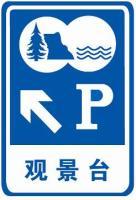
A. observation deck
B. car park
C. rest area
D. parking space
Answer: A
11. When a vehicle passes a tunnel, it is prohibited from overtaking.
A. Right
B. Wrong
Answer: A
12. When driving at night, the drivers observation ability is visibly poorer and his visibility range becomes shorter than driving in the daytime.
A. Right
B. Wrong
Answer: A
13. The driver who drives after drunk is subject to ______
A. a criminal restriction and a fine
B. a prison term of more than 2 years
C. a criminal detention and a fine
D. a prison term of less than 2 years
Answer: C
14. Whats the meaning of this sign?
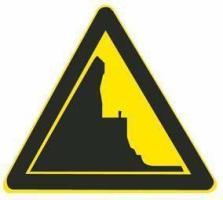
A. embankment road
B. dangerous hillside road
C. rock-falling road
D. cliffside road
Answer: B
15. Traffic Signs and traffic markings are not traffic signals.
A. Right
B. Wrong
Answer: B
16. When encountering an overflowing bridge, the driver should look at the situation, and passes through slowly before he makes sure that it is safe to do so.
A. Right
B. Wrong
Answer: A
17. When passing a dangerous section of a mountain road, especially by the locations of frequent occurrence of landslides, mudslides, the driver should drive with care and avoid stopping.
A. Right
B. Wrong
Answer: A
18. Ignition switch in the ON position, the vehicle can not use electrical appliances.
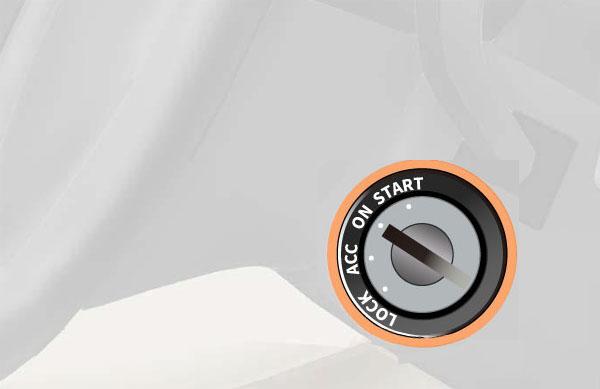
A. Right
B. Wrong
Answer: B
19. Whats the meaning of this sign?
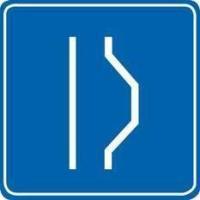
A. uncovered car park
B. emergency stopping
C. parking space
D. passing bay
Answer: D
20. When a vehicle changes lane before an intersection, the driver should do so ______.
A. In the area marked by solid lines before the intersection
B. In the area marked by solid lines in the intersection
C. In the area marked by broken lines as indicated by the guide arrow
D. Before the stop line at the intersection
Answer: C