

1. In which situation the traffic police can detain the vehicle according to law?
A. exceeding 10% of the prescribed speed limits
B. driving when he is exhausted
C. not buckled up while driving
D. driving after drinking
Answer: D
2. What is this manipulation device?
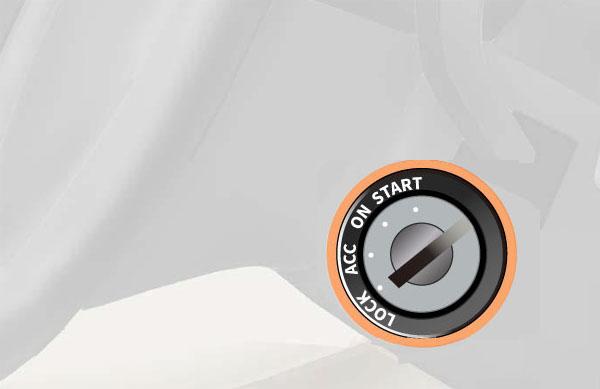
A. air conditioner switch
B. ignition switch
C. wiper switch
D. light switch
Answer: B
3. When a vehicle goes downhill on a mountain road, it is not allowed to overtake.
A. Right
B. Wrong
Answer: A
4. What is the minimum speed in this lane?
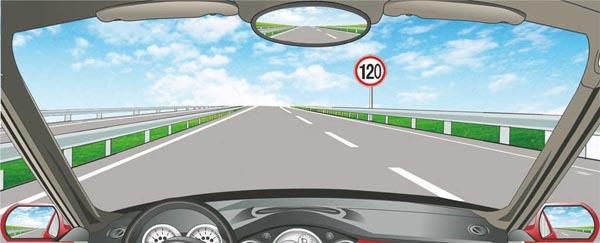
A. 60km/hr
B. 90km/hr
C. 100km/hr
D. 110km/hr
Answer: C
5. How to run when encountering this situation?
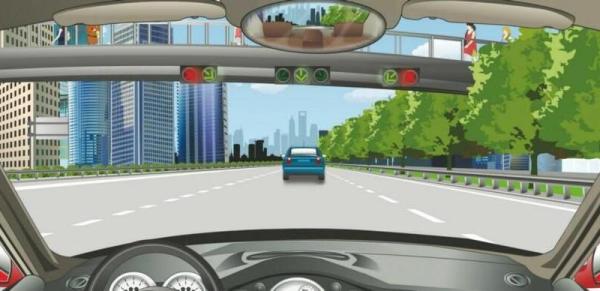
A. speed up to enter the lane of either side
B. enter the right lane
C. reduce speed and enter the lane of either side
D. can not run in the lane of neither side
Answer: D
6. A person who has not obtained driving license drives a motorized vehicle, he will be held for legal liability.
A. Right
B. Wrong
Answer: A
7. When reversing on an ordinary road and discovering some vehicles are passing, the driver should _________.
A. Honk to indicate the intention
B. Voluntarily stop and yield
C. Speed up and reverse
D. Continue to reverse
Answer: B
8. What is the max speed on this highway?

A. 70km/hr
B. 50km/hr
C. 40km/hr
D. 30km/hr
Answer: C
9. Whats the meaning of this sign?
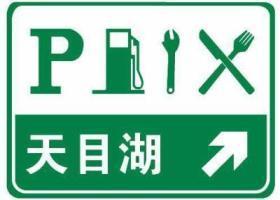
A. expressway bus station ahead
B. expressway shelter ahead
C. expressway service area ahead
D. expressway toll station ahead
Answer: C
10. Whats the meaning of these white rectangle markings?

A. long time parking
B. time limited parking
C. free parking
D. special parking
Answer: B
11. When encountering a traffic accident ahead and help is needed while driving, the driver should ________.
A. Bypass to dodge it as much as possible
B. Immediately report to the police, stop and look on.
C. Help to preserve the scene and immediately report to the police
D. Speed up and pass to ignore it
Answer: C
12. Turn on the right-turn signal and return immediately to the original lane afterovertaking.
A. Right
B. Wrong
Answer: B
13. If a motorized vehicle driver reaches 12 penalty points during the period of probation, the probation qualification should be revoked.
A. Right
B. Wrong
Answer: A
14. If a driver has not received full penalty points, and the fine has not been paid, the penalty points will be transferred into the next scoring cycle.
A. Right
B. Wrong
Answer: A
15. When bicycles ahead obstruct the traffic flow, the driver may honk to remind them,speed up and bypass.
A. Right
B. Wrong
Answer: B
16. Reduce speed or stop to look before the stop line when encountering this traffic light at the intersection.
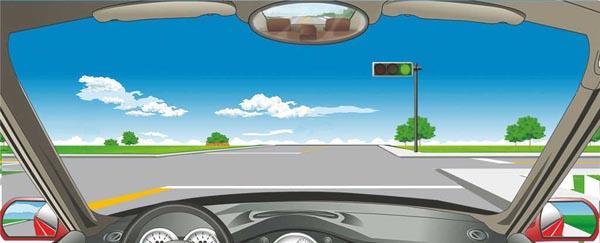
A. Right
B. Wrong
Answer: B
17. When running on an expressway, the driver should ____ if he has missed the exit.
A. Reverse to the original place
B. Continue to go ahead and find the next exit
C. Immediately stop
D. Make a U turn from where he is
Answer: B
18. Whats the meaning of this sign?
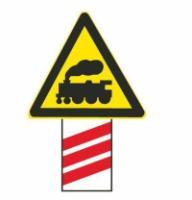
A. an unmanned level crossing 150m ahead
B. an unmanned level crossing 100m ahead
C. a manned level crossing 100m ahead
D. a manned level crossing 150m ahead
Answer: A
19. If a driving license has been revoked as it is obtained by deception, bribery or other illegal means, the applicant is not allowed to re-apply for it within ______
A. 6 months
B. 1 year
C. 2 years
D. 3 years
Answer: D
20. Whats the meaning of the white markings on the road?
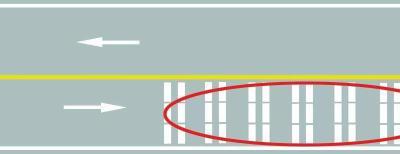
A. road construction marking
B. horizontal deceleration marking
C. vertical deceleration marking
D. fewer lanes indication marking
Answer: B