

1. The braking system may malfunction if it lights.

A. Right
B. Wrong
Answer: A
2. When a vehicle approaches a crosswalk, the driver should ________.
A. Speed up and pass
B. Stop immediately
C. Honk to indicate the pedestrians to yield
D. Observe the movement of pedestrians and non-motorized vehicles, make sure it is safe before passing
Answer: D
3. The motorized vehicle driver is not allowed to drive a motorized vehicle when his driving license is detained.
A. Right
B. Wrong
Answer: A
4. Whitch kind of vehicle is prohibited from passing by this sign?
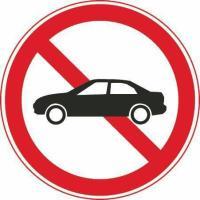
A. all kinds
B. small bus
C. midsize bus
D. small truck
Answer: B
5. Whats the meaning of this sign?
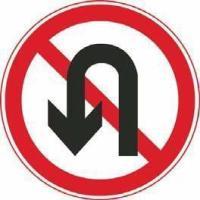
A. no changing lane
B. no left turn
C. no going straight
D. no U turn
Answer: D
6. What marking is the combination of the white broken lines and the triangle area?
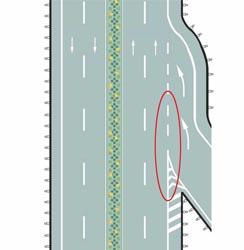
A. road entry marking
B. lane-dividing line that can be crossed
C. deceleration line at road entry
D. road exit marking
Answer: A
7. When driving a motorized vehicle uphill, you should speed up and honk when you going to reach the top of the slope.
A. Right
B. Wrong
Answer: B
8. Whats the meaning of this sign?
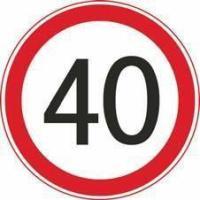
A. reducing speed 40m ahead
B. minimum speed is 40km/hr
C. axle weight limit is 40 tons
D. maximum speed limit is 40km/hr
Answer: D
9. When running on an expressway, the driver should ____ if he has missed the exit.
A. Reverse to the original place
B. Continue to go ahead and find the next exit
C. Immediately stop
D. Make a U turn from where he is
Answer: B
10. When discovering a road congestion ahead, the correct way to deal with this situation is to _______.
A. Continue to weave through
B. Find space and overtake one vehicle after another
C. Honk to indicate the vehicle in front to speed up
D. Stop and wait in line
Answer: D
11. When a vehicle is being overtaken by another vehicle, the driver should _____.
A. Run by the central line of the road
B. Speed up and yield
C. Continue to speed up and run
D. Reduce speed and run on the right side
Answer: D
12. Whats the meaning of this sign?
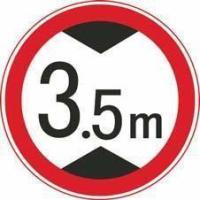
A. 3.5m width limit
B. 3.5m width limit ban is lifted
C. 3.5m distance from vehicles limit
D. 3.5m height limit
Answer: D
13. What kind of behavior of this driver violates the law?
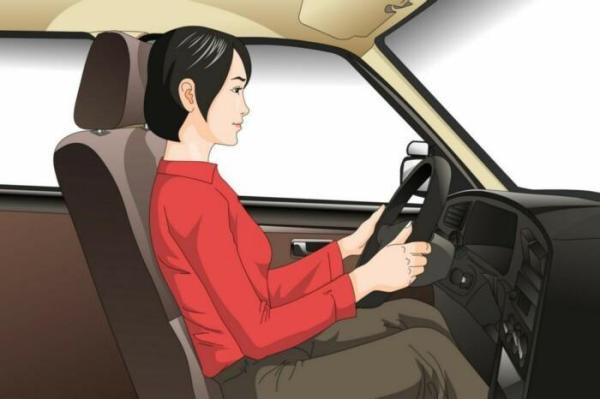
A. not hold the steering wheel according to regulation
B. angle of the seat is not correct
C. not buckled up
D. the driving posture is incorrect
Answer: C
14. The method and direction of changing lanes by the red car is correct.
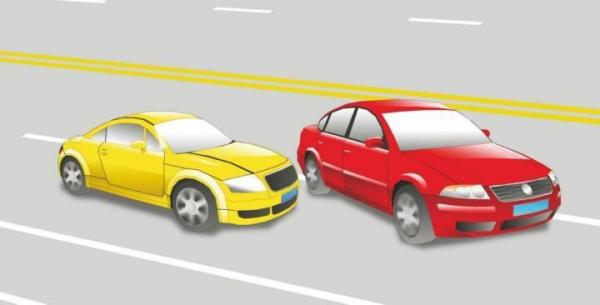
A. Right
B. Wrong
Answer: B
15. It lights to indicate that ______

A. the tail fog light is turned on
B. the low beam light is turned on
C. the high beam light is turned on
D. the head fog light is turned on
Answer: A
16. When driving a motor vehicle after drinking, a prison term of more than 3 years will be imposed.
A. Right
B. Wrong
Answer: B
17. Let the straight-going vehicle go first at this intersection.
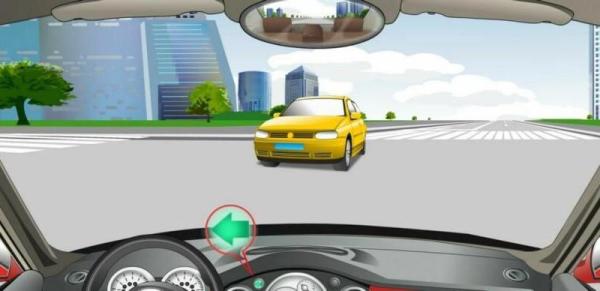
A. Right
B. Wrong
Answer: A
18. What is the role of ABS system when applying emergency braking?
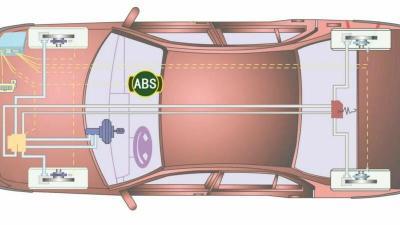
A. cut off the power output
B. control the direction automatically
C. reduce braking inertia
D. prevent wheel blocking
Answer: D
19. You have the priviledged passing right of way at the intersection in this situation.
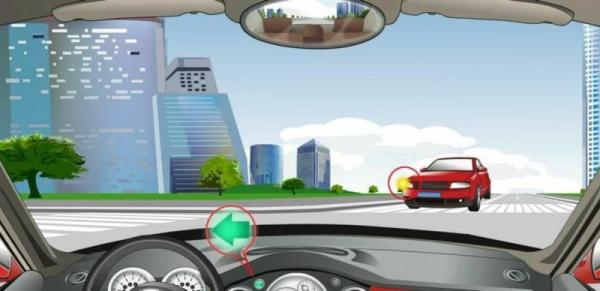
A. Right
B. Wrong
Answer: A
20. When passing a dangerous section of a mountain road, especially by the locations of frequent occurrence of landslides, mudslides, the driver should drive with care and avoid stopping.
A. Right
B. Wrong
Answer: A