

1. Whats the meaning of this guide arrow?

A. changing to left lane
B. going straight ahead
C. left turn ahead
D. right turn ahead
Answer: C
2. What is the main role of the seat belt when there is a collision?
A. to protect the driver and passengers necks
B. to protect the driver and passengers chests
C. to reduce the injuries of the driver and passengers
D. to protect the driver and passengers waists
Answer: C
3. When there is a continuous rain, the shoulders of the mountain roads may become loose and the embankments may collapse. When driving in this weather, the driver should select the middle solid road and refrain from going close to the roadsides.
A. Right
B. Wrong
Answer: A
4. How long is the period of probation of a motor vehicle driver who has applied for a driver license for the first time?
A. 18 months
B. 16 months
C. 12 months
D. 6 months
Answer: C
5. This sign indicates one-way section ahead.
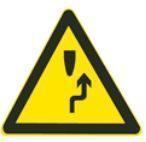
A. Right
B. Wrong
Answer: B
6. What is this manipulation device?
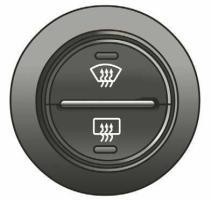
A. switch of the turn signal
B. switch of the head lights
C. switch of wiper
D. switch of defogger
Answer: D
7. The three principles for careful driving are concentration, careful observation and early prevention.
A. Right
B. Wrong
Answer: A
8. When a vehicle changes lane, the driver only needs to turn on the turn signal before rapidly entering the new lane.
A. Right
B. Wrong
Answer: B
9. The vehicle is allowed to _______ at this intersection.
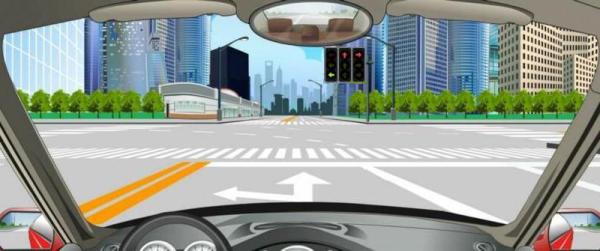
A. go straight or turn right
B. turn right
C. turn left
D. go straight
Answer: C
10. Whats the meaning of this sign?
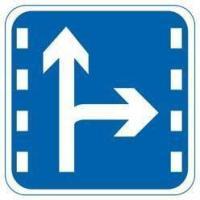
A. straight-going and left-turn lane
B. straight-going and side road exit lane
C. lane for both going straight and right turn
D. lanes for going in different directions
Answer: C
11. It lights to indicate that engine compartment is opened.

A. Right
B. Wrong
Answer: B
12. The applicant should apply for the cancelation of the reservation one day in advance if he is unable to take the exam by appointment, the applicant will be judged as failed in the exam if he does not take the exam on the reserved examination time.
A. Right
B. Wrong
Answer: A
13. A motorized vehicle is not allowed to stop in the section 50 meters to the intersection.
A. Right
B. Wrong
Answer: A
14. If the registration paper, license plate and vehicle license of a motorized vehicle are lost or destroyed, the vehicle owner should apply for reissuing or replacing them to the vehicle management station at the residential place.
A. Right
B. Wrong
Answer: B
15. Whats the meaning of this sign?

A. U turn
B. reversing
C. left turn
D. bypassing
Answer: A
16. This sign warns obstacles ahead and reducing speed to bypass.
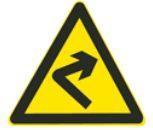
A. Right
B. Wrong
Answer: B
17. It lights to indicate that ______

A. the front fan works
B. air external circulation
C. windscreen defroster
D. air internal circulation
Answer: D
18. Whats the meaning of this sign?
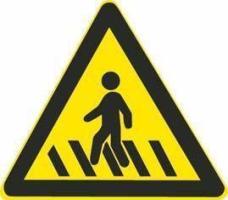
A. watch for pedestrians
B. watch for children
C. school area
D. crosswalk
Answer: A
19. What marking is the yellow broken line in the circle?
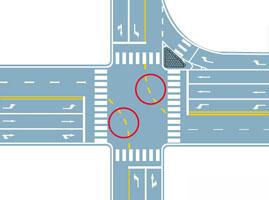
A. non-motorized vehicles guide lines
B. intersection guide line
C. lane connection lines
D. small vehicles turning lines
Answer: B
20. Traffic signals include Traffic lights, Traffic signs and Command of the traffic police.
A. Right
B. Wrong
Answer: A