

1. If a motor vehicle breaks down or causes a traffic accident on the expressway and cannot run normally the vehicle may be towed by any accompanying motor vehicles.
A. Right
B. Wrong
Answer: B
2. What should be done by drivers in order to safely pass through the curve in this condition?

A. Reduce speed and drive on the right side
B. Drive on the central line of the road
C. Drive on the outer side of the curve
D. Drive by borrowing the opposite lane
Answer: A
3. Which one of the following measures is correct when a motor vehicle intends to overtake but the vehicle in front refuses to yield?
A. Use a long-sounding horn
B. Follow the vehicle in front while turning high-beam
C. Wait for it to yield while keeping a safe distance
D. Use high-beam and low-beam alternatively
Answer: C
4. When there is a braking failure, the driver should first control the direction and then try to control the speed.
A. Right
B. Wrong
Answer: A
5. Under such circumstances, what should motor vehicle drivers do?
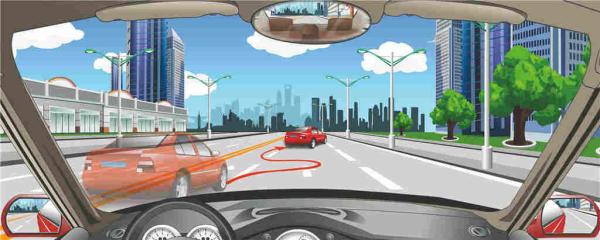
A. Overtake the vehicle quickly on its left
B. Keep a long braking space
C. Continuously sound the horn to alert the vehicle in front
D. Overtake the vehicle quickly from its right
Answer: B
6. Which one of the following statements is correct in this situation?
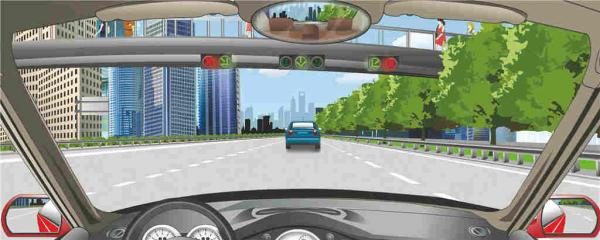
A. Vehicles are prohibited from passing in the lanes on either side
B. Move into the lane on either side at a reduced speed
C. Move into the lane on the right side
D. Move into the lane on either side at an increased speed
Answer: A
7. When encountering a situation like changing to a left lane, motor vehicle drivers should yield.

A. Right
B. Wrong
Answer: A
8. When a motor vehicle encounters thick fog on an expressway and the visibility is poor, the driver should immediately brake and stop.
A. Right
B. Wrong
Answer: B
9. Which one of the following is the safest way to pass the oncoming vehicle on this road?
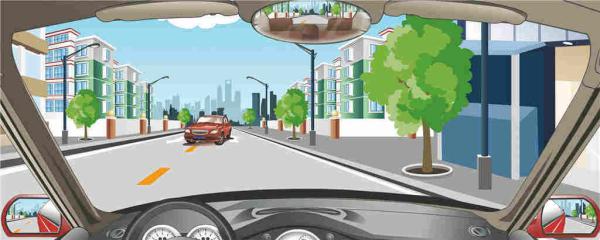
A. Driving along the central line
B. Driving with headlamp on
C. Yielding by the right side of the road
D. Yielding by the left side of the oncoming vehicle
Answer: C
10. As shown in this picture, the vehicles intending to turn left are not allowed to drive into left-turn waiting area directly to wait for green light.
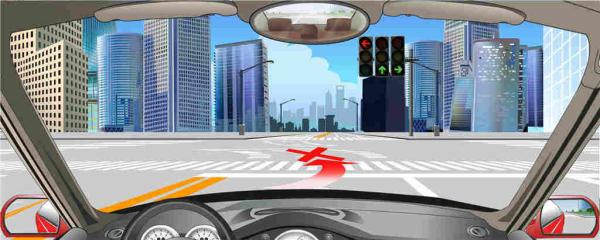
A. Right
B. Wrong
Answer: B
11. Those traffic police signals mean turning right.
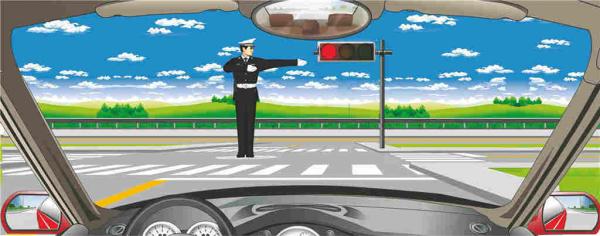
A. Right
B. Wrong
Answer: B
12. Mr. Shi drove a low-speed cargo vehicle (capacity 1.2 tons)with 4.05 tons of cargo. At the spot of 51 kilometers mark by 260 meters on the No. 314 County Road in Ningjin County, the cargo vehicle had a head-on collision with a normally running midsize bus( capacity 11 people and carrying12) from the opposite direction after passing the central line of the road and overtaking the front vehicle in the same direction. As a result of this accident, 10 people were killed and 2 injured. What are the illegal acts in this case?
A. The cargo vehicle carried more cargo than capacity
B. The cargo vehicle illegally overtook other vehicles
C. The bus carried more passengers than capacity
D. The driver of the bus kept driving when tired
Answer: ABC
13. When encountering a vehicle in front ascending on a mountainous road covered with ice and snow, what should the motor vehicle driver do?
A. Ascend after the vehicle in front passes the slope
B. Overtake the vehicle in front swiftly and drive on
C. Overtake the vehicle in front with a slow speed and drive on
D. Follow the vehicle in front closely
Answer: A
14. Drivers may cross these central solid and broken yellow lines when overtaking.
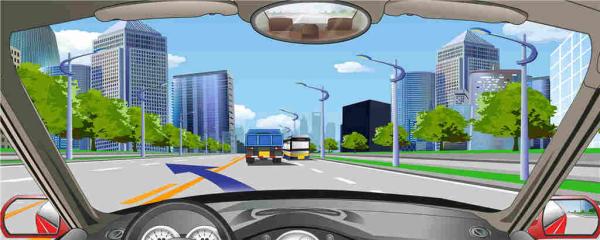
A. Right
B. Wrong
Answer: B
15. When a motor vehicle temporarily stops in fog, which lamp should be turned on?
A. Hazard lamp, clearance lamp and rear position lamp
B. Left-turn indicator, clearance lamp and rear position amp
C. Headlamp, clearance lamp and rear position lamp
D. Reverse lamp, clearance lamp and rear position lamp
Answer: A
16. The diamond-shaped sign on the road indicates a crosswalk on the road ahead.
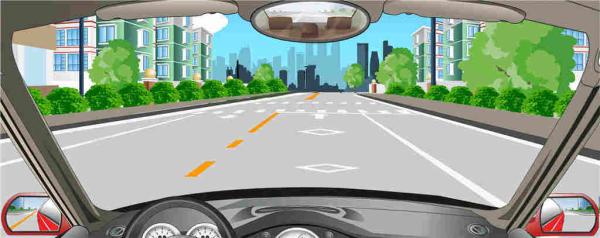
A. Right
B. Wrong
Answer: A
17. What is the emergency measure to deal with a sudden tire burst on the road?
A. Swiftly braking to slow down
B. Firmly hold the steering wheel and steadily stop the vehicle as early as possible
C. Swiftly turn the steering wheel to adjust the direction
D. Go ahead at a low speed and find a place for tire change
Answer: B
18. The sign on the right warns for livestock on the road ahead.

A. Right
B. Wrong
Answer: B
19. When making a turn on a mountainous road, drivers should cut speed, sound the horn and drive along the right side.
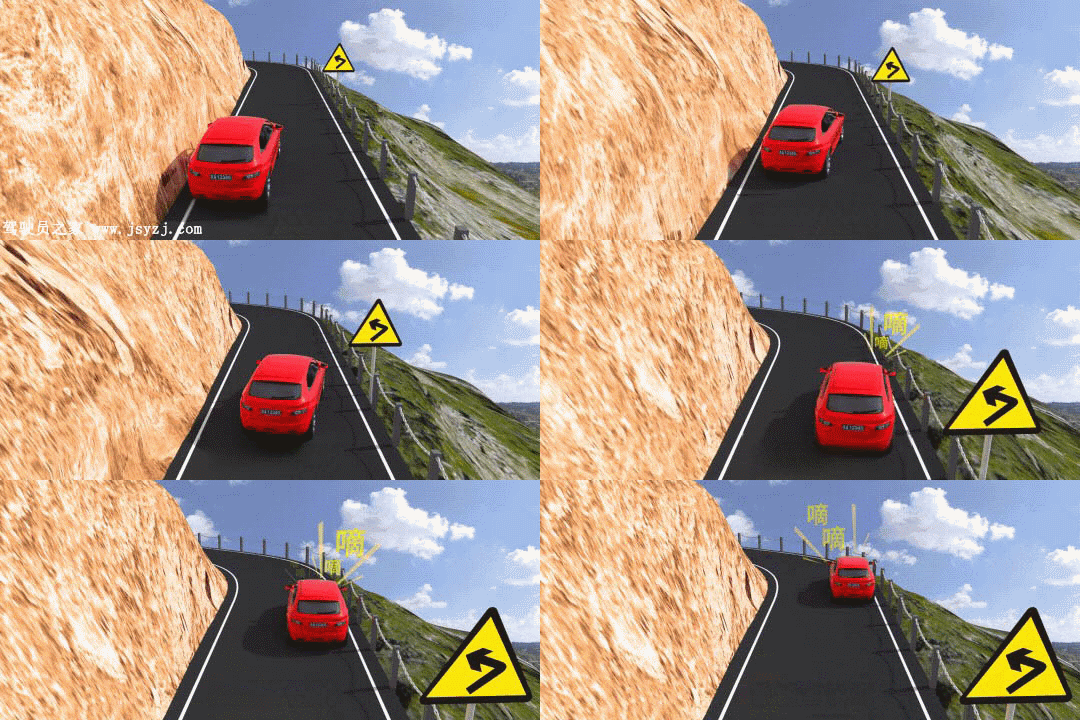
A. Right
B. Wrong
Answer: A
20. When following a vehicle on the road, the distance from the vehicle in front is not important. As long as the driver goes forward at the same speed as the vehicle in front does, he can avoid a rear-end collision.
A. Right
B. Wrong
Answer: B