

1. When passing through an overflowing road, a high gear should be used to pass rapidly.
A. Right
B. Wrong
Answer: B
2. When a vehicle goes down a long slope, it should run at a lower gear and fully use the engine to brake.
A. Right
B. Wrong
Answer: A
3. You have the priviledged passing right of way in this situation.

A. Right
B. Wrong
Answer: A
4. A Social vehicle is not allowed to stop in the section 30 meters to the fire hydrant or the fire brigade (station).
A. Right
B. Wrong
Answer: A
5. Continuously using the foot brake on a long downhill road ________.
A. Can shorten the engines service life
B. Increases the drivers labor intensity
C. Can drastically reduce the braking efficiency due to the rising temperature of the brake
D. Can easily cause vehicle overturn
Answer: C
6. In which situation cannot overtake a vehicle in front?
A. vehicle in front is reducing speed to yield
B. vehicle in front is turning left
C. vehicle in front is pulling over by the roadside
D. vehicle in front is turning right
Answer: B
7. When overtaking, the driver should ________ if the vehicle in front refuses to reduce speed or yield.
A. Follow closely and find chance to overtake again
B. Stop overtaking
C. Speed up and continue to overtake
D. Continuously honk and speed up to overtake
Answer: B
8. When a driver needs to borrow a lane to bypass an obstacle in front and a vehicle in the opposite direction is approaching the obstacle, the driver should ___________.
A. Reduce speed or stop and yield to the vehicle coming in the opposite direction
B. Speed up and bypass the obstacle in advance
C. Honk to indicate the vehicle in the opposite direction to yield
D. Rapidly occupy the lane and force the vehicle coming in the opposite direction to stop and yield
Answer: A
9. If the license plate of a motorized vehicle has been destroyed, the owner of the vehicle should apply for reissuing or changing to the vehicle management station at the registration place.
A. Right
B. Wrong
Answer: A
10. Whats the meaning of this mark on the road?
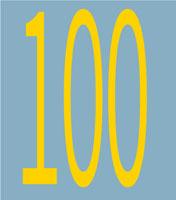
A. average speed is 100km/hr
B. minimum speed limit is 100km/hr
C. 100km/hr speed limit ban is lifted
D. maximum speed limit is 100km/hr
Answer: D
11. If a vehicle has the right of way at an intersection but encounters a vehicle cutting in, the driver should _________.
A. Rush to pass
B. Speed up in advance and pass
C. Reduce speed and evade, or stop to yield when necessary
D. Go forward at the normal speed according to the right of way and refuses to evade
Answer: C
12. Whats the meaning of this sign?
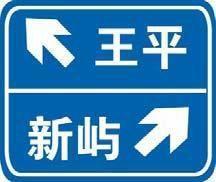
A. ring intersection ahead
B. intersection ahead
C. Y-shaped intersection ahead
D. T-shaped intersection ahead
Answer: C
13. When ignition switch is in the START position, the starter starts.
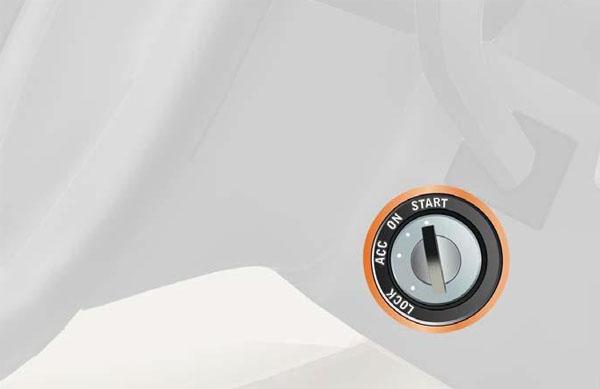
A. Right
B. Wrong
Answer: A
14. A motorized vehicle driver is not allowed during the period of probation to pull a trailer.
A. Right
B. Wrong
Answer: A
15. Whats the meaning of this sign?
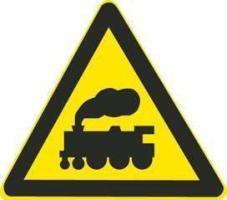
A. watch for long time honking
B. an unmanned level crossing
C. a manned level crossing
D. multi-crossing of railway and road
Answer: B
16. Whats the meaning of this sign?
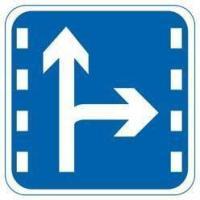
A. straight-going and left-turn lane
B. straight-going and side road exit lane
C. lane for both going straight and right turn
D. lanes for going in different directions
Answer: C
17. When an accident has caused congestion on an expressway, the vehicles may run in the emergency strip on the right or in the shoulder of the road.
A. Right
B. Wrong
Answer: B
18. How far away should the warning sign be placed in the coming direction when this vehicle breaks down and stops temporarily on the expressway?
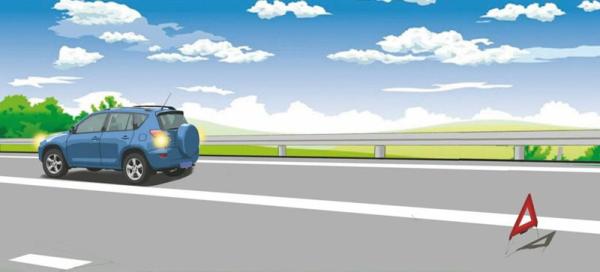
A. beyond 150m
B. 50~150m
C. within 50m
D. 50~100m
Answer: A
19. This sign warns the driver to run slowly with care and beware of the vehicles from horizontal road.
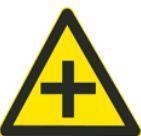
A. Right
B. Wrong
Answer: A
20. Reducing the speed to yield when encountering this situation in the intersection.
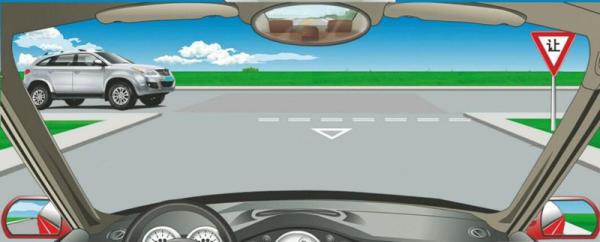
A. Right
B. Wrong
Answer: A