

1. What pedal is it?

A. clutch pedal
B. brake pedal
C. handbrake
D. accelerator pedal
Answer: A
2. If a motorized vehicle driver has caused a major accident in violation of the traffic regulations which has caused serious injury, the driver is subject to a prison term of less than 3 years or a criminal detention.
A. Right
B. Wrong
Answer: A
3. When discovering the persons injured in a traffic accident need rescue while driving, the driver should _________.
A. Send the injured persons to hospital in a timely manner or make emergency calls
B. Dodge as much as possible
C. Go ahead by bypassing the scene
D. Find an excuse to dodge the scene
Answer: A
4. How far away should the warning sign be placed in the coming direction when this vehicle breaks down and stops temporarily on the expressway?
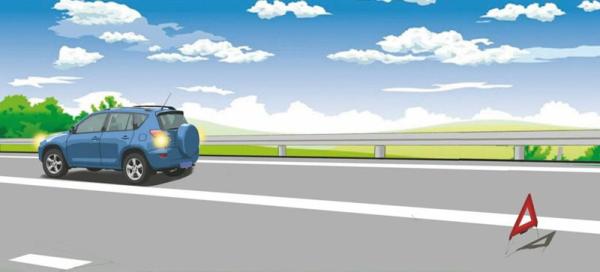
A. beyond 150m
B. 50~150m
C. within 50m
D. 50~100m
Answer: A
5. When passing through an overflowing road, a high gear should be used to pass rapidly.
A. Right
B. Wrong
Answer: B
6. May directly turn left in front of the vehicle coming opposite when encountering this traffic light.
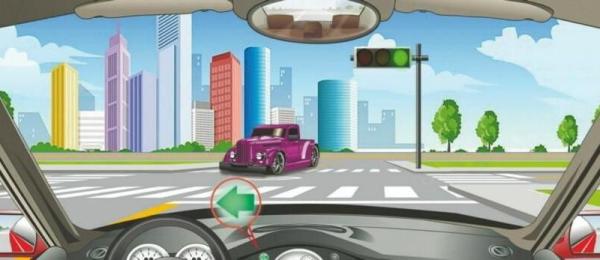
A. Right
B. Wrong
Answer: B
7. When the motor vehicle installed ABS system applys emergency braking, the driver can depress the brake pedal heavily.
A. Right
B. Wrong
Answer: A
8. If the registration paper, license plate and vehicle license of a motorized vehicle are lost or destroyed, the vehicle owner should apply for reissuing or replacing them to the vehicle management station at the residential place.
A. Right
B. Wrong
Answer: B
9. A motorized vehicle driver who drives the vehicle which permission is different is subject to a ________.
A. 2-point penalty
B. 3-point penalty
C. 6-point penalty
D. 12-point penalty
Answer: D
10. What does this sign mean?
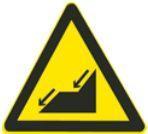
A. Reminding continuous two or more up slopes ahead
B. Reminding the steep uphill road ahead
C. Reminding the steep downhill road ahead
D. Reminding continuous two or more down slopes ahead
Answer: D
11. The continuously flashing yellow light is to warn that the driver should look and make sure it is safe to pass.
A. Right
B. Wrong
Answer: A
12. Whats the meaning of this sign?
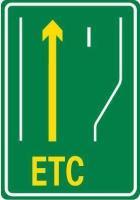
A. payment lane on the expressway
B. check lane on the expressway
C. card getting lane on the expressway
D. ETC lane on the expressway
Answer: D
13. How to use lights when overtaking at night?
A. turn off the high beam light
B. turn on high beam lights
C. use fog lights
D. using the high and low beam lights alternately
Answer: D
14. When a vehicle goes uphill, the driver should observe the road conditions and the length of the slope in advance and shift to the lower gear in a timely manner to ensure the vehicle has sufficient power.
A. Right
B. Wrong
Answer: A
15. Whats the meaning of this sign?

A. max speed
B. speed limit
C. speed recommended
D. mini speed
Answer: C
16. Whats the meaning of this sign?
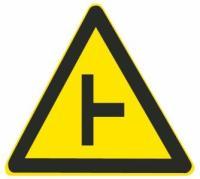
A. Y-shaped intersection
B. T-shaped intersection
C. intersection
D. ring intersection
Answer: B
17. The reason that a road destroyed by flood affects safe driving and smooth passage is __.
A. The road grip becomes stronger
B. It is impossible to see the hidden holes and bumps in road surface
C. The visibility become lower and blurs the field of vision
D. The sunshine reflection blurs the view
Answer: B
18. When a vehicle enters a two-way tunnel, the driver should turn on ________.
A. The hazard lights
B. The high beam light
C. The fog light
D. The width light or the low beam light
Answer: D
19. A vehicle may stop on the ramp of an expressway.
A. Right
B. Wrong
Answer: B
20. When reaching a sharp curve, the driver should reduce speed and drive on the right side so as to avoid colliding with the vehicle crossing the central line of the curve in the opposite direction.
A. Right
B. Wrong
Answer: A