

1. How many kinds of law-breaking acts are displayed in flash 1?
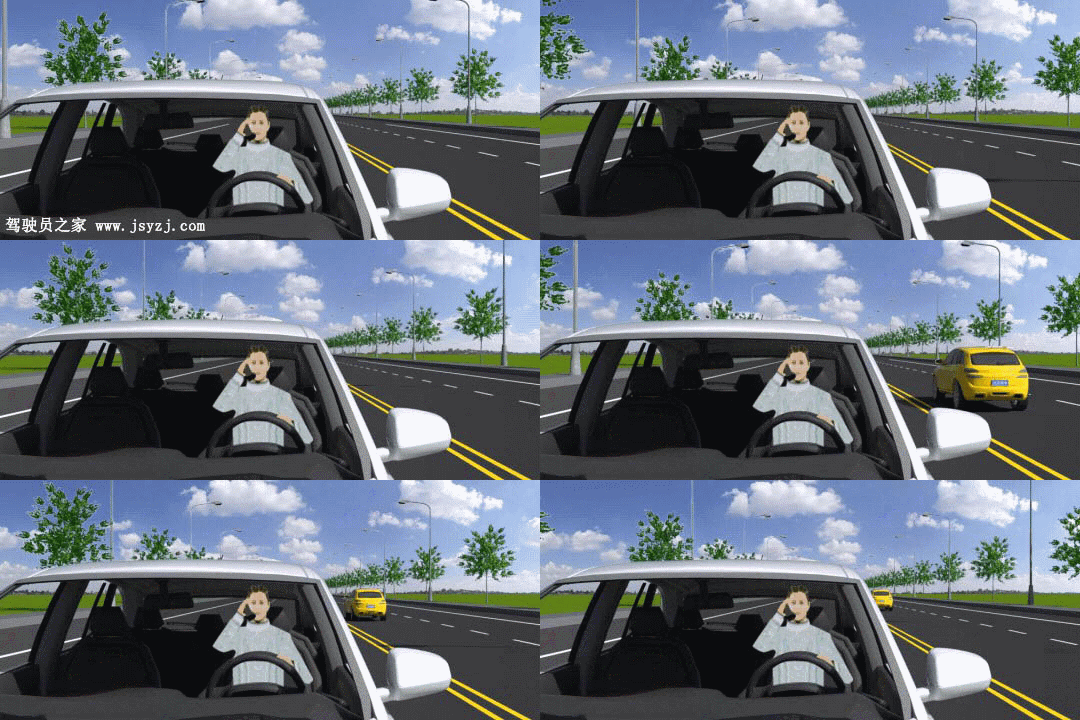
A. One
B. Two
C. Three
D. Four
Answer: B
2. The sign on the left indicates that drivers should stop to take a pass card at the toll station ahead.
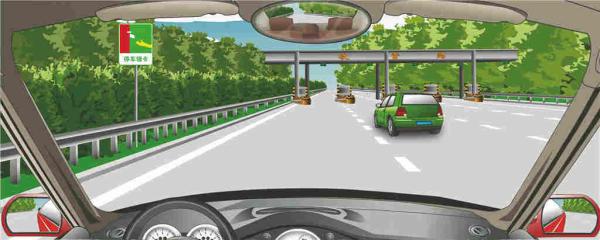
A. Right
B. Wrong
Answer: A
3. When the windscreen of a motor vehicle on the highway is cracked by flying rocks or debris which makes visibility poor, the driver should reduce speed gradually, turn on the hazard warning lamps, drive to a place where it will not obstruct the traffic flow and stop there.
A. Right
B. Wrong
Answer: A
4. This sign indicates the traffic broadcast and radio television channel of highway.
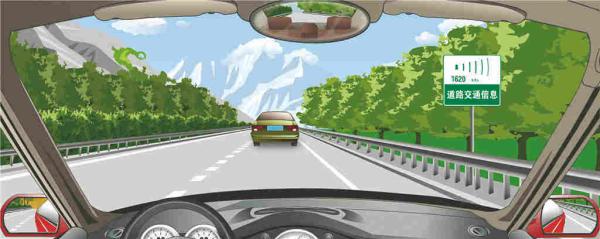
A. Right
B. Wrong
Answer: B
5. The sign on the right side warns of crosswind on the mountain pass ahead.
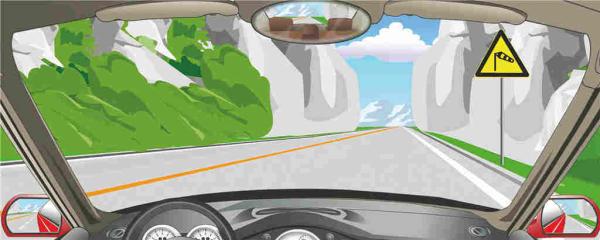
A. Right
B. Wrong
Answer: A
6. The sign on the right warns of a guarded railway crossing 100 meters ahead.
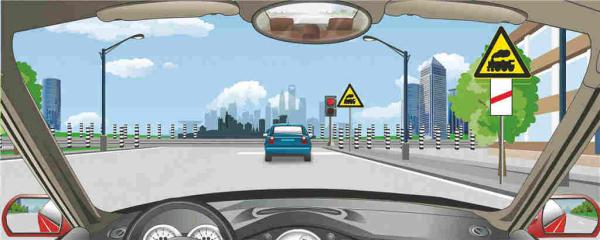
A. Right
B. Wrong
Answer: B
7. The sign in front indicates the distance to highway destination.
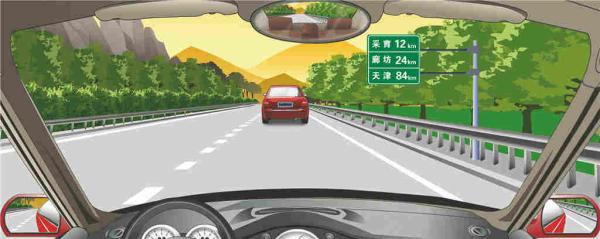
A. Right
B. Wrong
Answer: B
8. When encountering such pedestrians, what should motor vehicle drivers do?
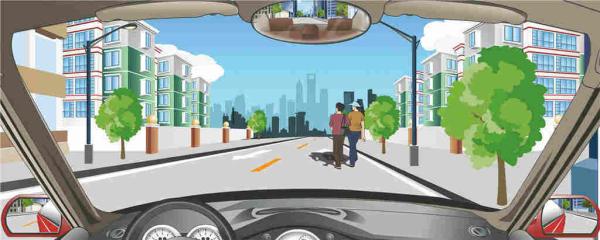
A. Go ahead along the middle line of the road
B. Continuously sound the horn
C. Speed up and overtake
D. Pay attention to the actions of such pedestrians
Answer: D
9. The road marker indicates that vehicles are only allowed to turn right at the intersection ahead.
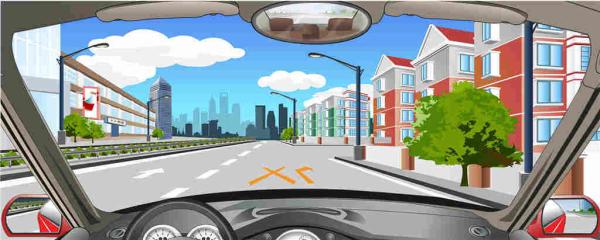
A. Right
B. Wrong
Answer: B
10. When a motor vehicle needs to stop for inspection after having an accident on an expressway, where should the driver park?
A. On the far outer lane
B. On the inner lane
C. On the emergency lane
D. In the triangle area on the ramp
Answer: C
11. When the motor vehicle encounters a crosswalk in this situation, the driver may speed up and pass rapidly.
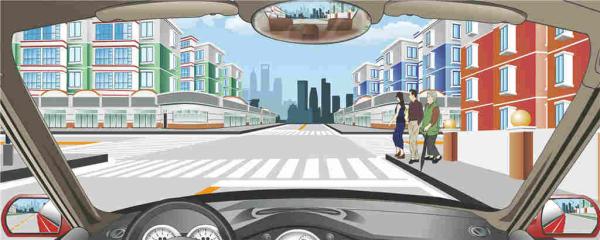
A. Right
B. Wrong
Answer: B
12. If a motor vehicle has an accident on a foggy day and stops on an expressway, which of the following acts is dangerous?
A. Leaving the motor vehicle as soon as possible
B. Standing outside the guardrail as much as possible
C. Turning on the hazard lamp and fog lamp
D. Placing a warning sign behind the vehicle in the oncoming direction
Answer: D
13. Motor vehicle drivers are allowed to overtake on this road section.
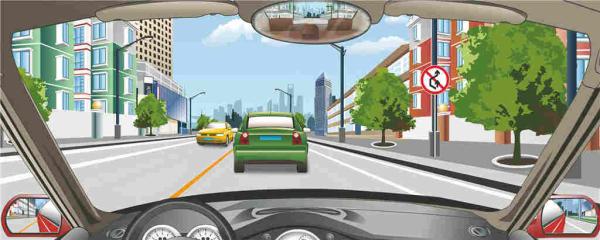
A. Right
B. Wrong
Answer: B
14. When driving on an expressway, which of the following statements is correct?
A. Drivers may overtake on either the ramp, the acceleration lane or the deceleration lane
B. Drivers are prohibited from reversing, driving in the opposite direction or making a U turn by crossing the central dividing strip
C. Drivers may drive on the emergency lane in a non-emergency case
D. Drivers may test a motor vehicle or learn to drive
Answer: B
15. The sign in front indicates that vehicles except large passenger vehicles are not allowed to drive on the right lane.
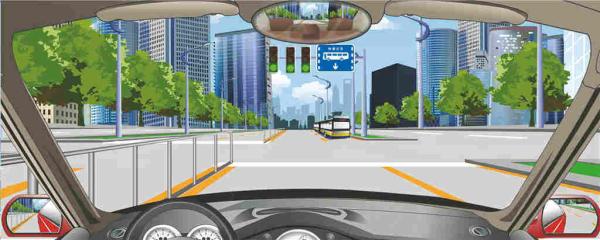
A. Right
B. Wrong
Answer: B
16. How to ensure motor vehicles have sufficient power when driving uphill?
A. Downshift before reducing speed
B. Downshift after reducing speed
C. Downshift when the speed is excessively low
D. Downshift to the fullest extent
Answer: A
17. The motor vehicle may promptly overtake the vehicle in front from the left side in this situation.
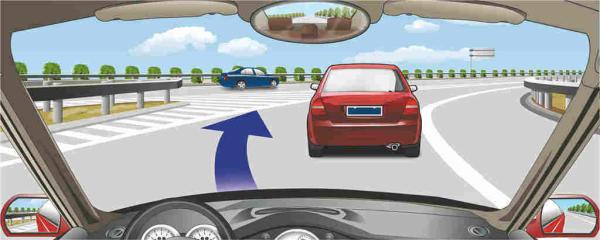
A. Right
B. Wrong
Answer: B
18. A driver should speed up when passing through road sections with this traffic marking.

A. Right
B. Wrong
Answer: B
19. Which one of the following is the safest way when driving a motor vehicle on this road?
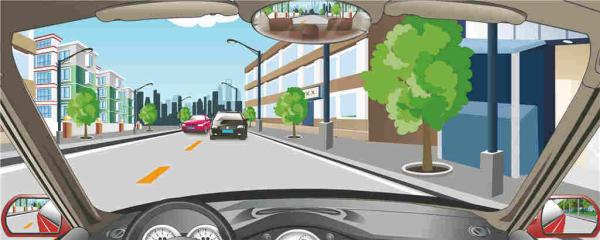
A. Cutting speed or stopping to yield
B. Driving along the center of the road
C. Keeping a normal speed
D. Approaching vehicles by taking the opposite lane
Answer: A
20. When a motor vehicle temporarily stops at night, which lamp should be turned on?
A. Front and rear fog lamp, clearance lamp and rear position lamp
B. Head lamp, clearance lamp and rear position lamp
C. Hazard lamp, clearance lamp and rear position lamp
D. Reverse lamp, clearance lamp and rear position lamp
Answer: C