

1. The front safety bags play a fully protective role when used in conjunction with ______
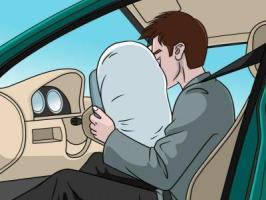
A. ABS system
B. seat belt
C. safety pillow of the chair
D. safety glasses
Answer: B
2. A Social vehicle is not allowed to stop in the section 30 meters to the fire hydrant or the fire brigade (station).
A. Right
B. Wrong
Answer: A
3. Stop the vehicle and observe when reaching the level crossing in this situation.
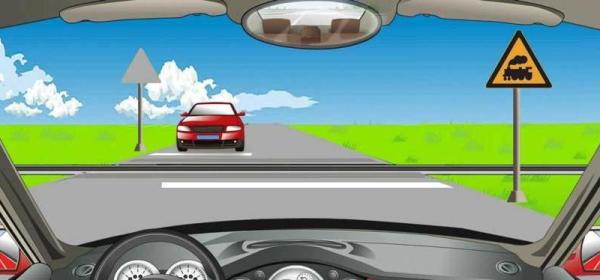
A. Right
B. Wrong
Answer: A
4. Whats the meaning of this sign?
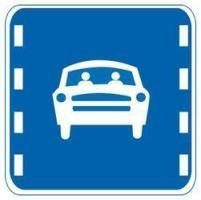
A. special lane for small vehicles
B. special lane for motorized vehicles
C. special lane for taxis
D. special lane for multi-passenger vehicles
Answer: D
5. At this position, the motorized vehicle can continue to go through if the front wheels have passed the stop line.
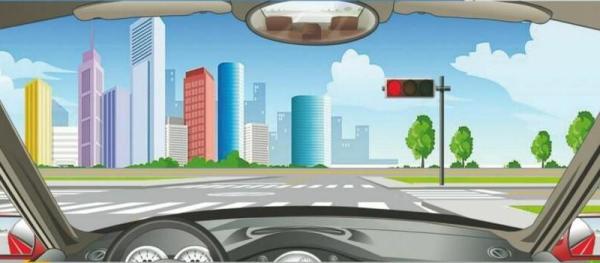
A. Right
B. Wrong
Answer: B
6. Whats the meaning of this figure mark on the road?
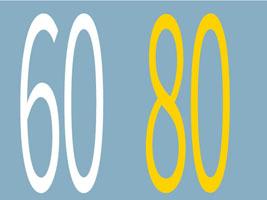
A. a mark of keeping distance
B. a mark of minimum distance
C. a mark of speed limit
D. a mark of road number
Answer: C
7. What is the max speed on this highway?
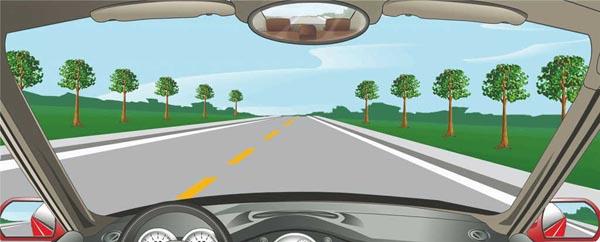
A. 30km/hr
B. 40km/hr
C. 50km/hr
D. 70km/hr
Answer: D
8. What is this instrument?
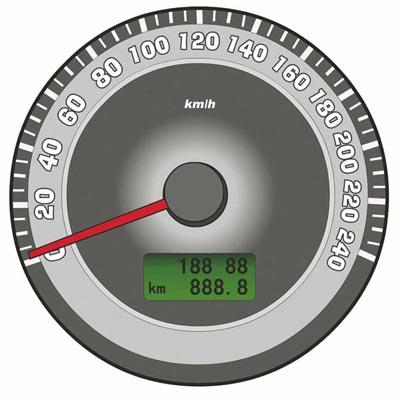
A. speed and mileage meter
B. engine tachometer
C. top speed meter
D. fuel consumption / 100 km
Answer: A
9. What is this manipulation device?
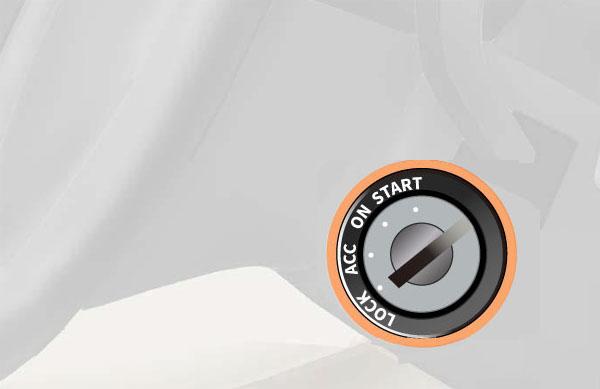
A. air conditioner switch
B. ignition switch
C. wiper switch
D. light switch
Answer: B
10. It lights while driving to indicate that ______

A. engine temperature is too high
B. engine cooling system malfunction
C. engine lubrication system malfunction
D. engine temperature is too low
Answer: A
11. If a motorized vehicle driver allows his vehicle to be driven by a person whose driving license has been detained, the traffic police will serve an oral warning.
A. Right
B. Wrong
Answer: B
12. It lights when turning on the rear fog light.

A. Right
B. Wrong
Answer: B
13. Whats the meaning of the marking in the red circle?
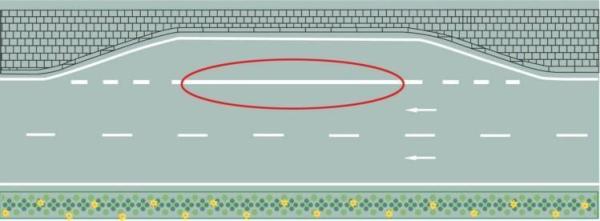
A. temporary stopping
B. bay-stopping
C. emergency stopping
D. public bus station
Answer: B
14. When a motorized vehicle breaks down at night, and is difficult to move, the driver should turn on the hazard lights, the contour lights and the tail lights.
A. Right
B. Wrong
Answer: A
15. How often should a driver who is more than 60 years old present the certificate of physical conditions?
A. every 3 years
B. every 2 years
C. every 6 months
D. every 1 year
Answer: D
16. This sign reminds serious bump road ahead.
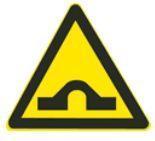
A. Right
B. Wrong
Answer: B
17. When a vehicle changes lane, the driver should turn on the turn signal in advance,observe traffic conditions, maintain a safe distance and move into the new lane.
A. Right
B. Wrong
Answer: A
18. Whats the meaning of this sign?
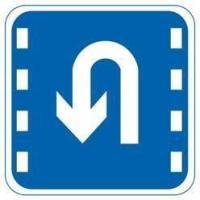
A. U turn lane
B. bypassing lane
C. lanes for going in different directions
D. left-turn lane
Answer: A
19. It flashes when turning on the hazard lights.

A. Right
B. Wrong
Answer: A
20. Speeding up to go though the intersection before the light turns to red in this case.
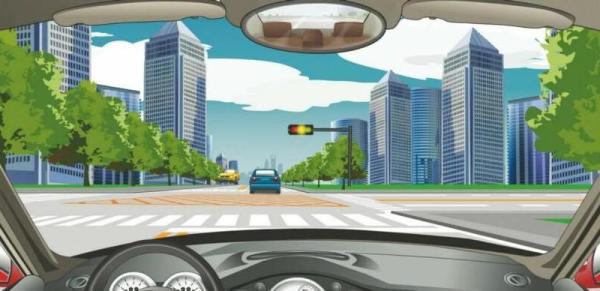
A. Right
B. Wrong
Answer: B