

1. Whats the meaning of this sign?
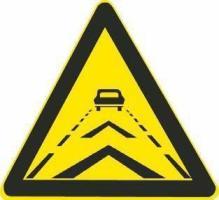
A. section narrows on both sides
B. section for speed test
C. section for ascertaining the distance between the vehicles
D. pay attentions to keeping distance
Answer: D
2. If a motorized vehicle driver has caused a major traffic accident in violation of the traffic regulations which has caused human death due to his escaping, the driver is subject to a prison term of _________.
A. less than 2 years
B. less than 3 years
C. less than 7 years
D. more than 7 years
Answer: D
3. It lights to indicate that the generator is charging to the batteries.

A. Right
B. Wrong
Answer: B
4. What kind of violation does this broken down vehicle have?
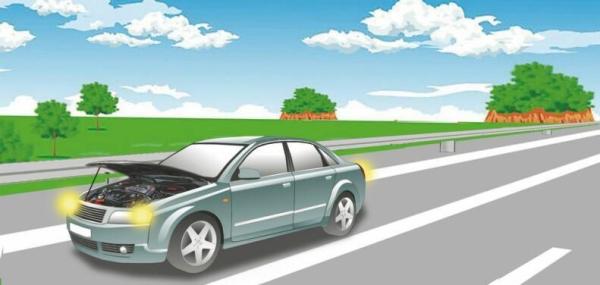
A. not turn on the hazard lights
B. not stop the car by the roadside
C. not solve the problem at once
D. not place the warning sign
Answer: D
5. A motorized vehicle driver who uses falsified and altered license plate is subject to a ________.
A. 2-point penalty
B. 3-point penalty
C. 12-point penalty
D. 6-point penalty
Answer: C
6. Which kind of sign is it?
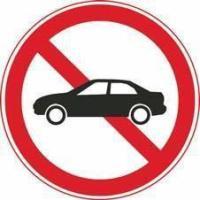
A. warning sign
B. prohibitive sign
C. indicative sign
D. directional sign
Answer: B
7. When a vehicle passes a bumped road, the driver should ________.
A. Speed up and dash over under inertia
B. Change to the neutral gear and slide over
C. Maintain the original speed and pass
D. Pass slowly and steadily
Answer: D
8. Whats the meaning of this guide arrow on the road?
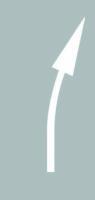
A. left curve or need to bypass from left side ahead
B. merge with the left flow due to obstacle ahead
C. right curve or need to merge with the right flow ahead
D. left curve or need to merge with the left flow ahead
Answer: C
9. What kind of violation does this stopping car have?
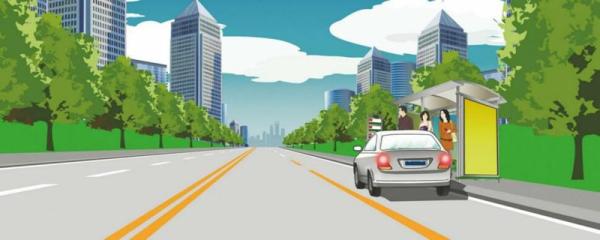
A. stop occupying the lane for non-motorized vehicles
B. stop in the section with no stopping marking
C. stop at bus station
D. stop occupying sidewalk
Answer: C
10. Whats the meaning of the yellow filled markings on the road?
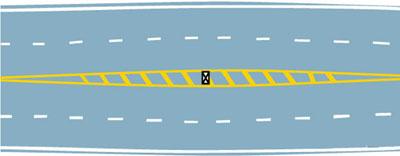
A. closing to the obstacle
B. closing narrowed road
C. closing the moving obstacle
D. Marking of approaching a narrow road
Answer: A
11. This set of the hand signals of the traffic police indicates that the vehicles should ____ .
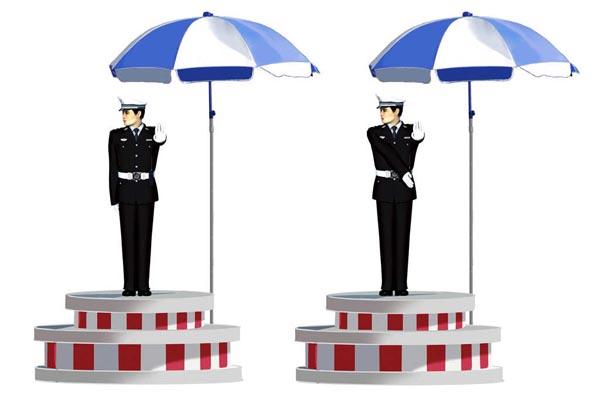
A. reduce speed and pass slowly
B. pull over
C. stop
D. turn right
Answer: D
12. The double yellow solid lines in the middle of the road are used to separate the traffic flow in opposite directions, crossing the lines to overtake or make a turn is allowed if it is safe.
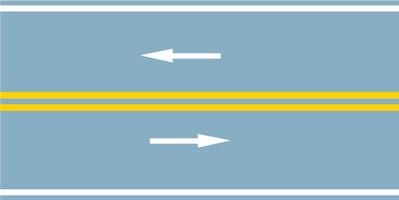
A. Right
B. Wrong
Answer: B
13. What marking is the combination of the white broken lines and the triangle area?
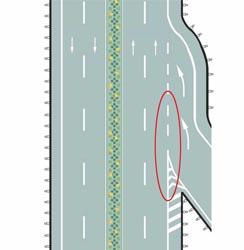
A. road entry marking
B. lane-dividing line that can be crossed
C. deceleration line at road entry
D. road exit marking
Answer: A
14. When driving in a rainy day, the driver should _____ when a pedestrian holding umbrella or in raincoat is walking on the highway.
A. Continuously honk to indicate him to yield
B. Speed up and bypass
C. Honk in advance and properly reduce speed
D. Drive at the normal speed
Answer: C
15. This set of the hand signals of the traffic police indicates that the vehicles should ___ .
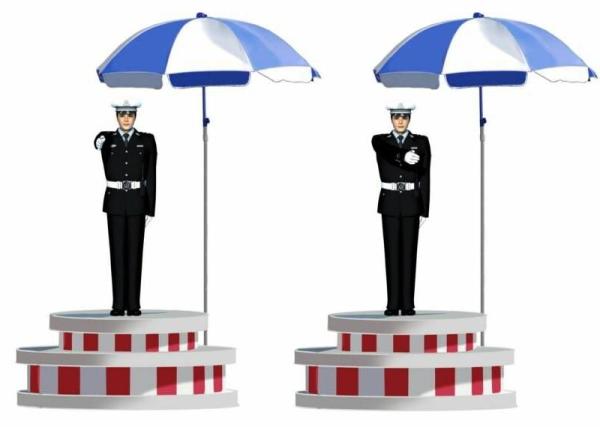
A. turn right
B. reduce speed and pass slowly
C. pull over
D. change lane
Answer: D
16. Whats the meaning of this sign?
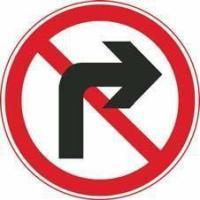
A. no entering the intersection
B. no right turn
C. no changing lane
D. no U turn
Answer: B
17. The full mark of Driving Skills, Common Knowledge on Safe and Courteous Driving of the subject 3 test is 100, each of the passing mark is 80 and 90.
A. Right
B. Wrong
Answer: B
18. Whats the meaning of this sign?
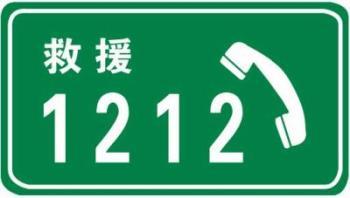
A. police call number on expressway
B. public phone on expressway
C. emergency call number on expressway
D. rescue call number on expressway
Answer: D
19. If the registration paper, license plate and vehicle license of a motorized vehicle are lost or destroyed, the vehicle owner should apply for reissuing or replacing them to the vehicle management station at the residential place.
A. Right
B. Wrong
Answer: B
20. One shall not drive a motorized vehicle during the period of deferred license checking due to military service, abroad and other reasons.
A. Right
B. Wrong
Answer: A