

1. Which part does this switch control?
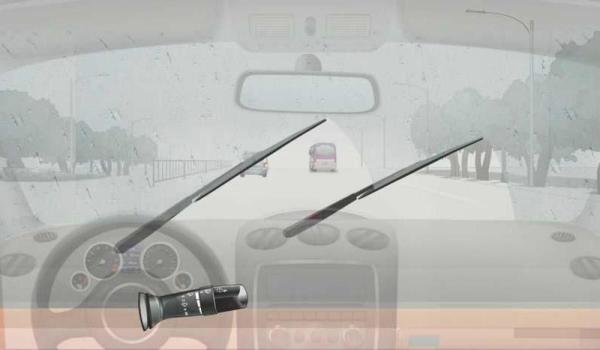
A. windscreen defogger
B. windscreen wiper
C. the hazard lights
D. devices of lights and signals
Answer: B
2. When encountering an ambulance rushing in the same lane in the opposite direction, the driver should ________.
A. Move to the road side, reduce speed or stop to yield
B. Drive on by using another lane
C. Speed up and change lane to avoid
D. Continue to go in the original lane
Answer: A
3. Whats the meaning of the yellow filled markings on the road?
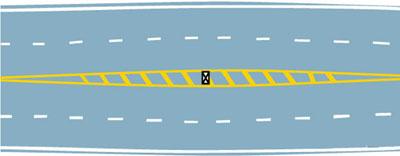
A. closing to the obstacle
B. closing narrowed road
C. closing the moving obstacle
D. Marking of approaching a narrow road
Answer: A
4. When overtaking, the driver should ________ if the vehicle in front refuses to reduce speed or yield.
A. Follow closely and find chance to overtake again
B. Stop overtaking
C. Speed up and continue to overtake
D. Continuously honk and speed up to overtake
Answer: B
5. Whats the meaning of this sign?
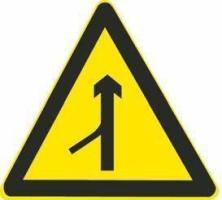
A. Y-shaped intersection
B. main road yield
C. attention to branching
D. attention to merging
Answer: D
6. Traffic Police can detain the vehicle according to law if it uses other vehicles license plate and vehicle license.
A. Right
B. Wrong
Answer: A
7. If a motorized vehicle driver escapes after causing a major traffic accident which has caused human death, the driver is subject to a prison term of ________.
A. more than 7 years
B. less than 3 years
C. 3 ~ 7 years
D. more than 10 years
Answer: C
8. What is the minimum speed in this lane?
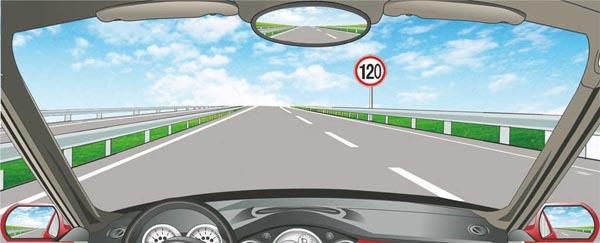
A. 60km/hr
B. 90km/hr
C. 100km/hr
D. 110km/hr
Answer: C
9. Steering wheel will be locked if removing the key while the ignition switch is in the LOCK position.
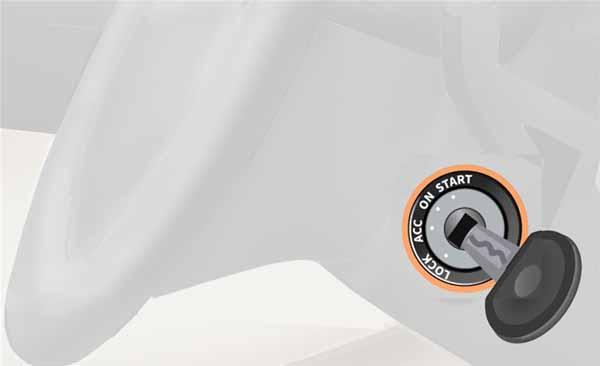
A. Right
B. Wrong
Answer: A
10. A driver can park the vehicle by borrowing the sidewalk if he cannot find the parking area.
A. Right
B. Wrong
Answer: B
11. Does not affect normal driving when it lights

A. Right
B. Wrong
Answer: B
12. The doors of both sides are not closed if it lights.

A. Right
B. Wrong
Answer: A
13. The vehicles should run by the right shoulder of an expressway.
A. Right
B. Wrong
Answer: B
14. This sign indicates one-way section ahead.
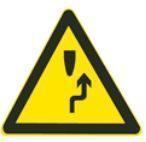
A. Right
B. Wrong
Answer: B
15. How to do if there is a traffic jam in intersection?
A. borrow the opposite lane to pass
B. stop and wait outside the intersection
C. cut in the front vehicles to pass
D. enter the intersection and wait
Answer: B
16. May watch car video in good road conditions.
A. Right
B. Wrong
Answer: B
17. When the road maintenance vehicle and the engineering vehicle are on duty, the passing vehicles should avoid with care.
A. Right
B. Wrong
Answer: A
18. In this case, by the right side of the bus lane to overtake.
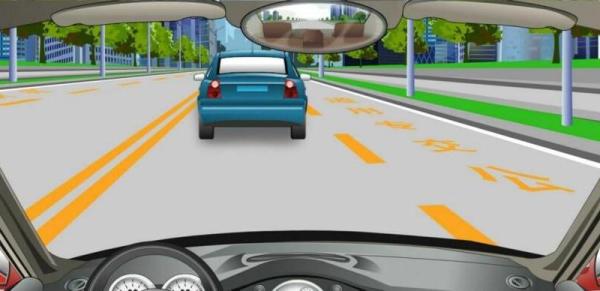
A. Right
B. Wrong
Answer: B
19. A vehicle running on an expressway may frequently change lanes.
A. Right
B. Wrong
Answer: B
20. When the two red lights at a level crossing flash alternately, the vehicles should stop to wait.

A. Right
B. Wrong
Answer: A