

1. When a motor vehicle temporarily stops in fog, which lamp should be turned on?
A. Hazard lamp, clearance lamp and rear position lamp
B. Left-turn indicator, clearance lamp and rear position amp
C. Headlamp, clearance lamp and rear position lamp
D. Reverse lamp, clearance lamp and rear position lamp
Answer: A
2. When driving on a long downhill road, which is the best way to control the speed?
A. Coast in neutral gear
B. Take a low gear
C. Depress the clutch
D. Pull up the handbrake
Answer: B
3. Drivers who ride motorcycles are able to not wear safety helmets.
A. Right
B. Wrong
Answer: B
4. Whats the meaning of this mark on the road?

A. The lane for non-motorized vehicles
B. The special lane for motorcycles
C. The special lane for battery bicycles
D. the special lane for bicycles
Answer: A
5. It is an illegal act for the driver to make calls while driving.
A. Right
B. Wrong
Answer: A
6. Why is it dangerous to overtake on a snowy mud road in heavy snow?
A. Snow can increase tire adhesion
B. The flying mud made the sight bad.
C. Long braking distance in case of emergency
D. Pavement under snow and mud is easier to skid.
Answer: BCD
7. When encountering such pedestrians, what should motor vehicle drivers do?
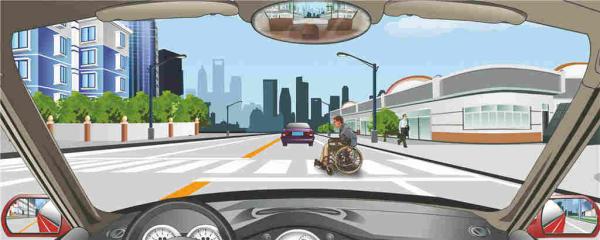
A. Bypass in front of the pedestrians
B. Bypass from behind the pedestrians
C. Sound the horn to alert the pedestrians
D. Voluntarily stop and yield
Answer: D
8. When driving a motor vehicle, the driver encounter pedestrians who are focused on using mobile phones, what should the driver do?
A. Drive with care
B. Observe the movement of pedestrians
C. Be ready to stop
D. Swiftly bypass from one side
Answer: ABC
9. What is the meaning of this sign?

A. No stopping temporarily
B. No long stopping
C. No stopping
D. Long stopping is allowed
Answer: B
10. What influence does smoking have upon driving?
A. Harmful for safe driving
B. Increase concentration
C. Help relaxation
D. No effect on driving
Answer: A
11. It is illegal to change lanes without turning on indicators.
A. Right
B. Wrong
Answer: A
12. A light motorcycle is only permitted to carry preschoolers.
A. Right
B. Wrong
Answer: B
13. When approaching a sharp curve, motor vehicle drivers should reduce speed only after entering the curve.
A. Right
B. Wrong
Answer: B
14. When a motor vehicle moves through water, the driver should try to maintain a constant speed and sufficient power and pass through without stopping.
A. Right
B. Wrong
Answer: A
15. What is the meaning of this sign?
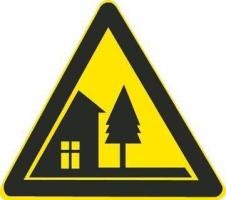
A. Watch for pedestrians
B. Crosswalk
C. Village or town
D. Primary school
Answer: C
16. How to reduce speed or stop when driving on a road covered with snow and ice?
A. Take full advantage of driving brake
B. Take full advantage of the control power from engine
C. Take full advantage of parking brake
D. Take full advantage of speed retarder
Answer: B
17. People who take a two-wheeled motorcycle should ride it by side way.
A. Right
B. Wrong
Answer: B
18. Which lamp should be turned on when motor vehicles pass through a road section at night where the street light condition is good?
A. Front and rear fog lamps
B. Low-beam
C. High-beam
D. Hazard lamp
Answer: B
19. It is extremely unsafe to take a motorcycle by the side; if the motorcycle sideslips, the passenger may be thrown out and led to death due to an unstable center of gravity.
A. Right
B. Wrong
Answer: A
20. The main impact of rainy weather on safe driving is _______.
A. The visibility is poor
B. The tire grip decreases
C. The resistance to the vehicle increases
D. The road is wet and slippery
Answer: ABD