

1. When a vehicle approaches a crosswalk, the driver should ________.
A. Speed up and pass
B. Stop immediately
C. Honk to indicate the pedestrians to yield
D. Observe the movement of pedestrians and non-motorized vehicles, make sure it is safe before passing
Answer: D
2. Whats the meaning of this park marking?

A. special stopping and waiting area
B. special getting-on and getting-off area
C. time limit parking
D. fixed direction parking
Answer: D
3. The police can detain the vehicle if one drives a vehicle without ______
A. vehicle license
B. qualification certificate
C. ID card
D. pass paper
Answer: A
4. Whats the meaning of this sign?

A. straight-going lane
B. going straight only
C. one-way road
D. no going straight
Answer: B
5. When causing a road accident involving human casualties, the driver should immediately rescue the injured people and report to the traffic police as soon as possible.
A. Right
B. Wrong
Answer: A
6. Whats the meaning of the diamond broken lines on the road?

A. road construction marking
B. vertical deceleration marking
C. horizontal deceleration marking
D. fewer lanes indication marking
Answer: B
7. When a vehicle runs on an expressway at the speed of 100 kilometers per hour, its safe distance from the vehicle in front is not less than 100 meters.
A. Right
B. Wrong
Answer: A
8. Whats the meaning of this sign?
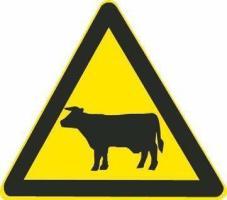
A. watch for animals
B. watch for wildlife
C. Wildlife Sanctuary
D. Large-scale farms
Answer: A
9. Whats the meaning of this sign?
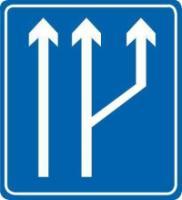
A. change to right lane
B. branching point
C. road surface becomes wider
D. the number of lanes increases
Answer: D
10. How to drive in this section?
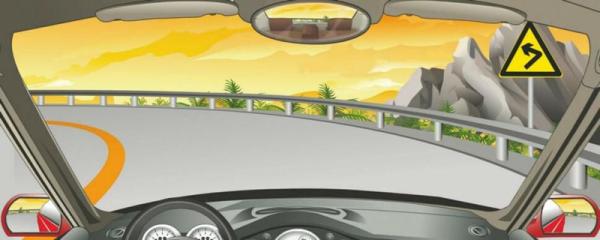
A. occupy the road of the other side to pass the curve
B. drive along the middle of the curve
C. speed up and honk to pass
D. reduce speed and honk
Answer: D
11. When driving in a rainy day, the driver should _____ when a pedestrian holding umbrella or in raincoat is walking on the highway.
A. Continuously honk to indicate him to yield
B. Speed up and bypass
C. Honk in advance and properly reduce speed
D. Drive at the normal speed
Answer: C
12. What is the role of ABS system when applying emergency braking?
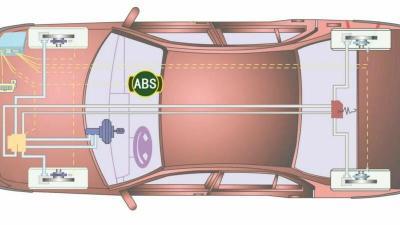
A. cut off the power output
B. control the direction automatically
C. reduce braking inertia
D. prevent wheel blocking
Answer: D
13. Whats the meaning of the white broken lines area on the far left side?
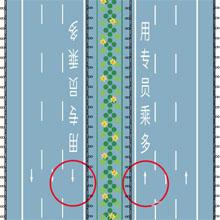
A. special lane for multi-passenger vehicles
B. special lane for small buses
C. special lane for taxis with no passenger
D. special lane for large buses
Answer: A
14. A driver may drive a motorized vehicle after the driving license has been lost within 3 months.
A. Right
B. Wrong
Answer: B
15. Whats the meaning of this sign?
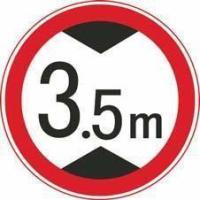
A. 3.5m width limit
B. 3.5m width limit ban is lifted
C. 3.5m distance from vehicles limit
D. 3.5m height limit
Answer: D
16. What marking is the road mark?

A. crosswalk ahead
B. intersection ahead
C. reduce speed and yield ahead
D. stop to yield ahead
Answer: A
17. When a driver drives a motorized vehicle during the period of probation, the driver should paste or hang a uniform probation mark on the rear part of the vehicle.
A. Right
B. Wrong
Answer: A
18. Whats the meaning of this sign?
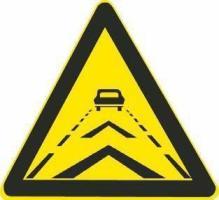
A. section narrows on both sides
B. section for speed test
C. section for ascertaining the distance between the vehicles
D. pay attentions to keeping distance
Answer: D
19. What does this symbol indicate?

A. luggage compartment is opened
B. door of one side is opened
C. engine compartment is opened
D. cover of fuel tank is opened
Answer: A
20. Which is subject to a 6-point penalty?
A. use other vehicles vehicle license
B. run 50% faster than the prescribed speed limit
C. illegally occupy emergency lane
D. drive after drinking
Answer: C