

1. Whats the meaning of this sign?
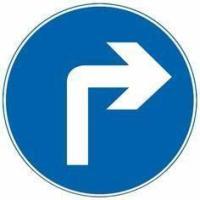
A. turn right
B. one-way road
C. going straight only
D. straight-going lane
Answer: A
2. Whats the meaning of this sign?
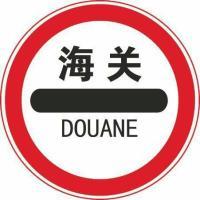
A. national boundaries
B. border defense
C. boundaries
D. customs
Answer: D
3. Whats the meaning of this sign?
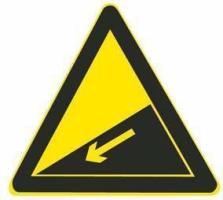
A. embankment road
B. steep uphill road
C. continuous up slopes
D. steep downhill road
Answer: D
4. On which kind of city road a vehicle is not allowed to overtake?
A. main streets
B. one-way section
C. section with heavy traffic flow
D. two one-way lanes
Answer: C
5. If a person who has caused a major traffic accident and if his act constitutes a crime, he may not be held for criminal liabilities.
A. Right
B. Wrong
Answer: B
6. For a driver who drivers a commercial motor vehicle after drinking, besides being detained by the traffic management department of the public security organ till he/she sobers up, what will he/she be subject to?
A. Temporary detainment of the motor vehicle
B. Temporary detainment of the driving license
C. Revocation of the motor vehicle driving license
D. He/she will be banned from driving for life
Answer: C
7. Traffic Police can detain the vehicle according to law if it is suspected of using the label of inspection from other vehicle.
A. Right
B. Wrong
Answer: A
8. Whats the meaning of this sign?
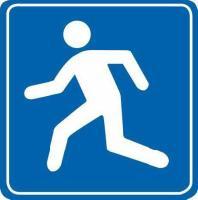
A. emergency shelter
B. service area
C. pedestrian passage
D. crossing road facility
Answer: A
9. A qualified driver should not only be technically adept, but more importantly have good driving habits and ethical attainments.
A. Right
B. Wrong
Answer: A
10. Which part does it control when pulling this switch?
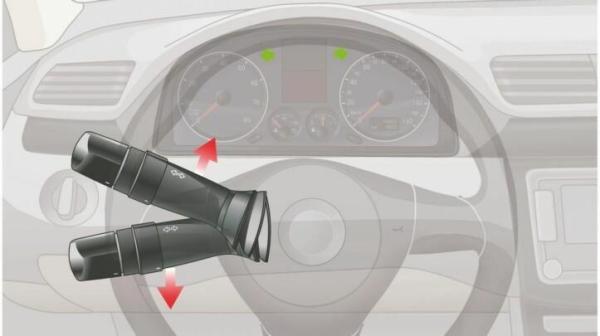
A. turn signals
B. reverse light
C. contour light
D. hazard light
Answer: A
11. The seat belts can reduce the injury of the driver and passengers when there is a collision.
A. Right
B. Wrong
Answer: A
12. Stop the vehicle and observe when reaching the level crossing in this situation.
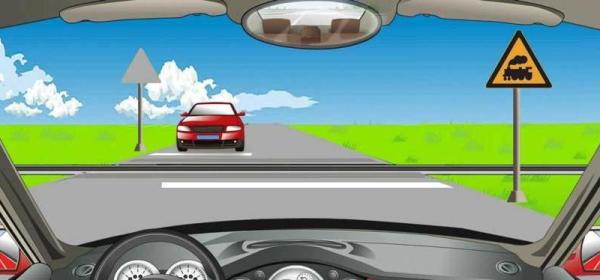
A. Right
B. Wrong
Answer: A
13. What is this traffic sign?
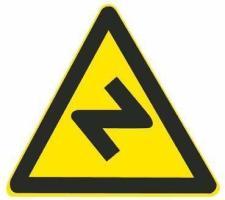
A. slippery section
B. sharp curve
C. inverse curve
D. continuous curves
Answer: C
14. It lights to remind that engine coolant may be insufficient.

A. Right
B. Wrong
Answer: A
15. When a vehicle passes a school or a residential area, the driver should observe the signs and markings, go slowly and refrain from honking.
A. Right
B. Wrong
Answer: A
16. This sign reminds there is a ferry ahead for vehicles.
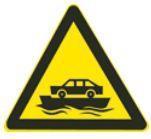
A. Right
B. Wrong
Answer: A
17. When a vehicle approaches a crosswalk, the driver should ________.
A. Speed up and pass
B. Stop immediately
C. Honk to indicate the pedestrians to yield
D. Observe the movement of pedestrians and non-motorized vehicles, make sure it is safe before passing
Answer: D
18. A motorized vehicle driver who drives more than 50% faster than the prescribed speed limit is subject to a 12-point penalty.
A. Right
B. Wrong
Answer: A
19. Using the low beam light in such circumstances.
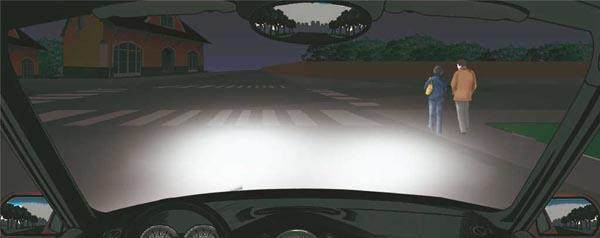
A. Right
B. Wrong
Answer: A
20. Driving a motorized vehicle on the expressway is not allowed to exceed the marked maximum speed.
A. Right
B. Wrong
Answer: A