

1. When a vehicle passes a school or a residential area, the driver should observe the signs and markings, go slowly and refrain from honking.
A. Right
B. Wrong
Answer: A
2. Use the high and low beam lights alternately when passing the crosswalk at night.
A. Right
B. Wrong
Answer: A
3. Whats the meaning of this sign?
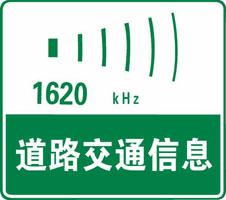
A. rescue call number on expressway
B. service call number on expressway
C. police call number on expressway
D. traffic radio frequency on expressway
Answer: D
4. Which is incorrect when a motorized vehicle breaks down on the expressway?
A. place warning sign as required
B. passengers cannot get off
C. call the police at once
D. turn on the hazard lights
Answer: B
5. If a motorized vehicle driver escapes after causing a major traffic accident which has caused human death, the driver is subject to a prison term of ________.
A. more than 7 years
B. less than 3 years
C. 3 ~ 7 years
D. more than 10 years
Answer: C
6. Which is correct to use lights on rainy day when following a vehicle?
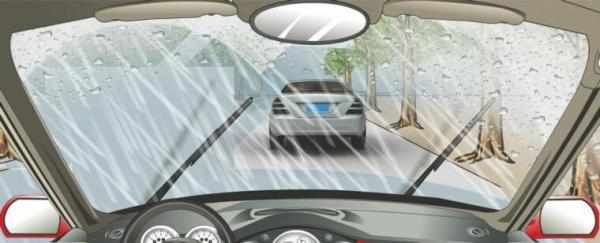
A. use high beam lights
B. cannot use the low beam lights
C. cannot use the high beam light
D. use fog lights
Answer: C
7. This sign reminds serious bump road ahead.
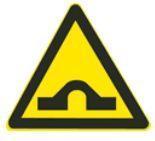
A. Right
B. Wrong
Answer: B
8. Ignition switch in the ON position, the vehicle can not use electrical appliances.
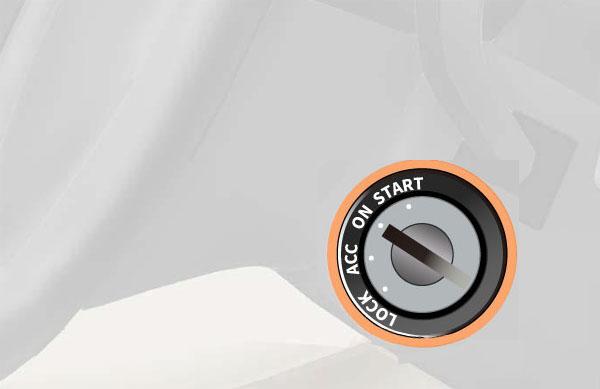
A. Right
B. Wrong
Answer: B
9. Whats the meaning of this sign?
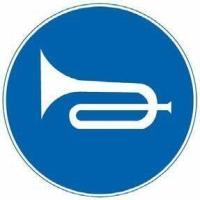
A. no honking the tweeter
B. no honking the woofer
C. should honk
D. no honking
Answer: C
10. When passing an unmanned level crossing, the driver should ________.
A. Speed up and pass
B. Reduce speed and pass
C. Maintain the speed and pass
D. Stop, look and pass
Answer: D
11. This sign indicates jammed section ahead and passing slowly.
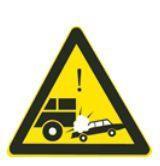
A. Right
B. Wrong
Answer: B
12. childrens passage
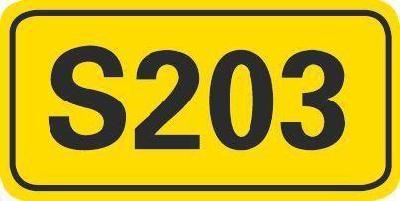
A. provincial highway No.
B. national highway No.
C. county road No.
D. township road No.
Answer: A
13. Whats the meaning of the white broken line by the carriage on the right side road?
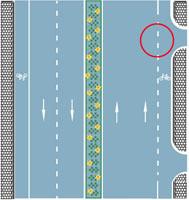
A. allowed to temporarily cross
B. prohibited from crossing
C. emergency lanes dividing line
D. crosswalk dividing line
Answer: A
14. When reversing on an ordinary road and discovering some vehicles are passing, the driver should _________.
A. Honk to indicate the intention
B. Voluntarily stop and yield
C. Speed up and reverse
D. Continue to reverse
Answer: B
15. This sign indicates landslide section ahead and bypassing.
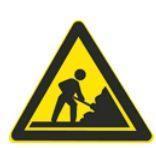
A. Right
B. Wrong
Answer: B
16. The driver who chases and races while driving on the road, and commits serious acts is subject to ______
A. a prison term of 6 months
B. a prison term of more than 1 year
C. a criminal restriction and a fine
D. a criminal detention and a fine
Answer: D
17. How to go straight when encountering this traffic light at the intersection?
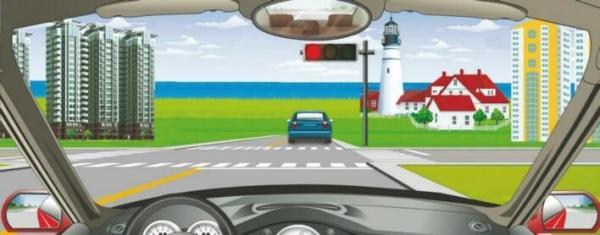
A. enter the intersection to wait
B. turn left
C. speed up and pass straight
D. can not exceed the stop line
Answer: D
18. When causing a road accident involving property damage, the party should leave the scene on his own but he does not leave and causes a traffic jam, he may be subject to a fine of 200 yuan.
A. Right
B. Wrong
Answer: A
19. The wrong measure to avoid tire blowout is to _________.
A. Reduce tire pressure
B. Check the tires regularly
C. Remove objects from tire tread grooves in a timely manner
D. Replace the tire that has cracks or deep cuts
Answer: A
20. When a motorized vehicle returns to the original lane after overtaking, the driver should turn on the right-turn signal.
A. Right
B. Wrong
Answer: A