

1. When a motorized vehicle breaks down on the road and is difficult to move, the driver should place a warning sign within 50 meters behind the vehicle.
A. Right
B. Wrong
Answer: B
2. May speed up to go through the crosswalk in this situation.
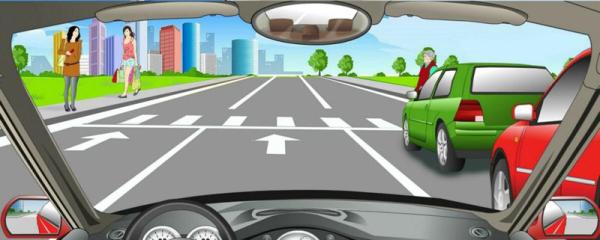
A. Right
B. Wrong
Answer: B
3. If a motorized vehicle driver has caused a major accident in violation of the traffic regulations which has caused heavy loss to public or private property, the driver is subject to a prison term of less than 3 years or a criminal detention.
A. Right
B. Wrong
Answer: A
4. On which kind of city road a vehicle is not allowed to overtake?
A. main streets
B. one-way section
C. section with heavy traffic flow
D. two one-way lanes
Answer: C
5. It lights to indicate that engine oil may be insufficient.

A. Right
B. Wrong
Answer: A
6. Do not hang or place articles close to the front and rear windows that block the vision of the driver.
A. Right
B. Wrong
Answer: A
7. The cycle for recording the accumulated penalty points for violating road traffic regulations is ____________.
A. 14 months
B. 12 months
C. 6 months
D. 10 months
Answer: B
8. What is this instrument?
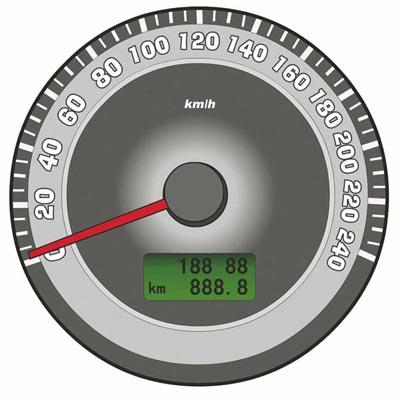
A. speed and mileage meter
B. engine tachometer
C. top speed meter
D. fuel consumption / 100 km
Answer: A
9. When a vehicle reaches a sharp curve, the driver should _______.
A. Brake suddenly and go slowly
B. Drive along the outer side of the curve
C. Fully reduce speed and drive on the right side
D. Go forward by borrowing the opposite lane
Answer: C
10. The three principles for careful driving are concentration, careful observation and early prevention.
A. Right
B. Wrong
Answer: A
11. When a vehicle passes a tunnel, it is prohibited from overtaking.
A. Right
B. Wrong
Answer: A
12. It displays that oil in tank has less than the warning line

A. Right
B. Wrong
Answer: A
13. Whats the meaning of this sign?
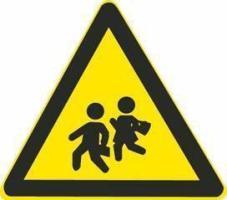
A. school area
B. watch for children
C. crosswalk
D. watch for pedestrians
Answer: B
14. You should speed up to go through the railway crossing in this case.
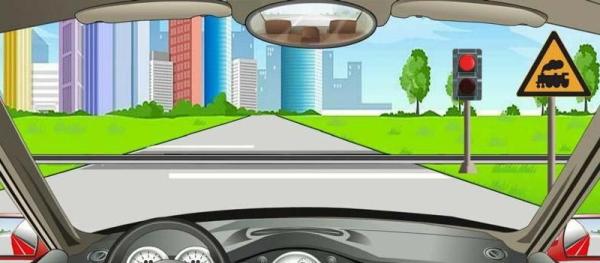
A. Right
B. Wrong
Answer: B
15. This sign reminds strong side wind ahead.
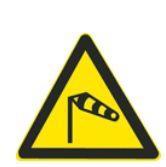
A. Right
B. Wrong
Answer: A
16. This sign indicates jammed section ahead and passing slowly.
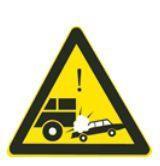
A. Right
B. Wrong
Answer: B
17. Whats the meaning of this sign?
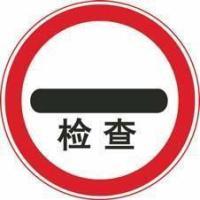
A. customs inspection
B. stop-for-inspection
C. frontier inspection
D. no passing
Answer: B
18. Whats the meaning of the double white broken lines in far front of the intersection?
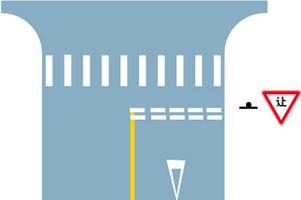
A. waiting to run line
B. stopping and yield line
C. slowdown and yield line
D. left-turn waiting line
Answer: C
19. It flashes when turning on the hazard lights.

A. Right
B. Wrong
Answer: A
20. Whats the meaning of this sign?

A. Road traffic flow monitoring
B. Deceleration photographed area
C. Full section snapshot
D. Traffic monitoring equipment
Answer: D