

1. The road marker on the right side indicates that drivers may overtake by borrowing this road.
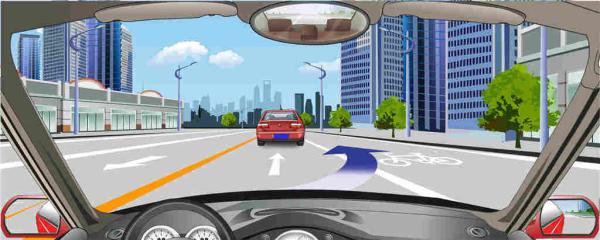
A. Right
B. Wrong
Answer: B
2. A driver should speed up when passing through road sections with this traffic marking.

A. Right
B. Wrong
Answer: B
3. The area in the yellow rectangle markings on the right side of the road indicates that temporary stopping is permitted here.
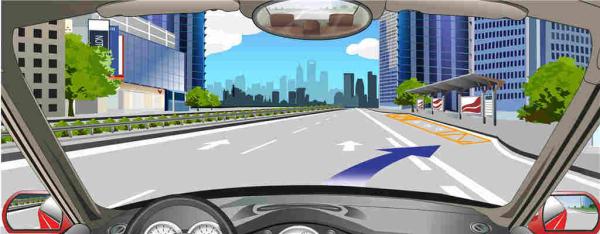
A. Right
B. Wrong
Answer: B
4. Under such circumstances, what should be done by motor vehicle drivers in order to maintain safe driving?
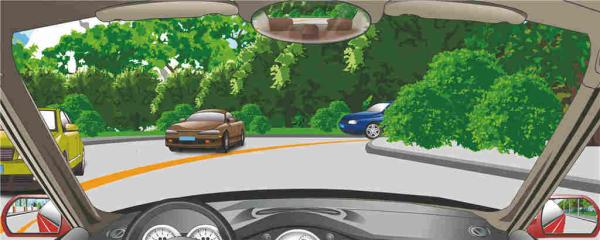
A. Sound the horn or turn on the headlamps
B. Reduce speed or drive on the right side
C. Keep to the central line as best as possible
D. Drive on the left side of the road
Answer: B
5. When driving a motor vehicle not equipped with the anti-lock braking system (ABS), what should the driver do if he brakes on a road covered by ice and snow?
A. Gently or intermittently depress the brake pedal
B. Depress the brake pedal as on other roads
C. Violently depress the brake pedal
D. Suddenly depress the pedal with force
Answer: A
6. Under such circumstances, what should be done by a motor vehicle driver in order to yield out of courtesy?
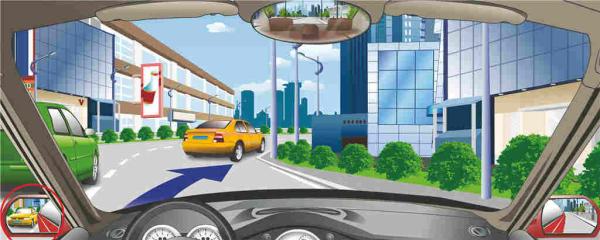
A. Driving at a higher speed
B. Closely following the vehicle in front
C. Driving at a higher speed by the right side
D. Driving at a lower speed by the right side
Answer: D
7. What should be checked before driving?
A. No parts need to be checked
B. Whether the tires have been cleaned
C. Where the spare tire is placed
D. The fastening and air pressure of tires
Answer: D
8. The sign on the right warns of a danger from rockfall on the left side.
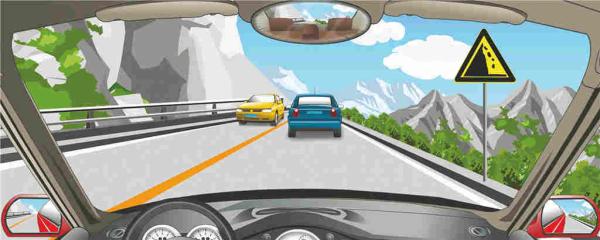
A. Right
B. Wrong
Answer: A
9. Which one of the following ways to pass this intersection is correct?
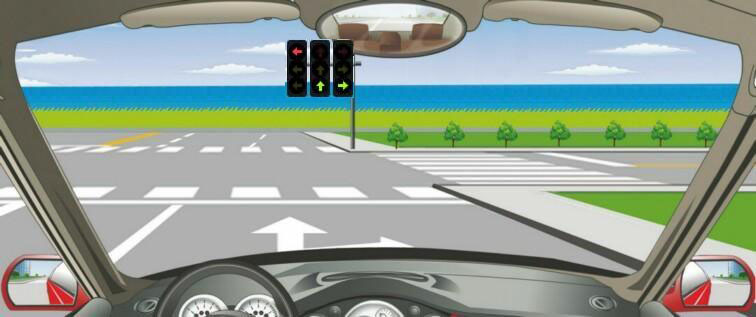
A. Turn left or right
B. Drive straight or turn left
C. Turn left
D. Drive straight or turn right
Answer: D
10. Drivers may go straight and pass through when traffic police give these hand signals.
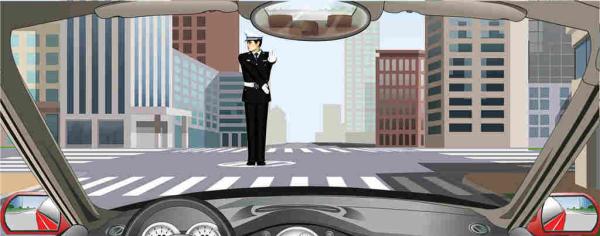
A. Right
B. Wrong
Answer: B
11. What should the driver do when a motor vehicle encounters this situation on a mountain road?
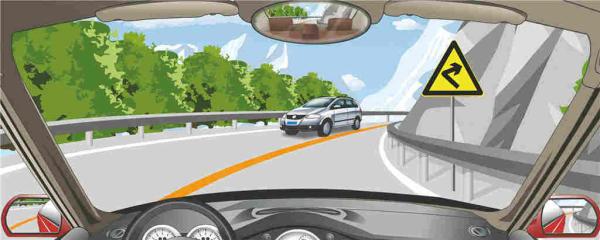
A. Stick to respective lanes and speed up to approach each other
B. Drive close to the central line of the road
C. Retain the normal speed
D. Slow down
Answer: D
12. Which one of the following is the safest way when driving a motor vehicle on this kind of road surface?
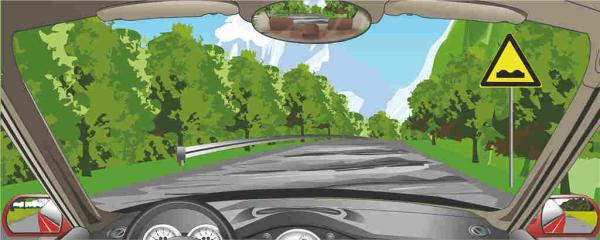
A. Slide over by using neutral gear
B. Pass with a high speed
C. Pass by speeding up
D. Pass with a low speed
Answer: D
13. What action is important on this kind of mountain road?
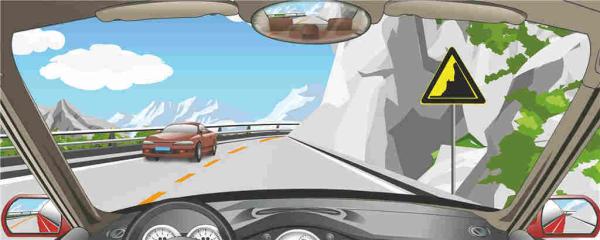
A. Take care of the dangerous hillside road on the left
B. Drive on the left
C. Drive along the central line of the road
D. Drive on the right side and pass slowly
Answer: D
14. The road marker indicates that vehicles are only allowed to turn right at the intersection ahead.
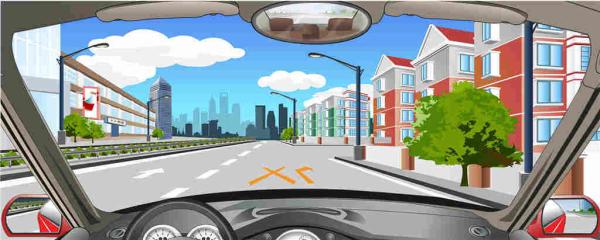
A. Right
B. Wrong
Answer: B
15. The guide arrow on the road surface of this lane indicates that only left turns are permitted at the intersection ahead.
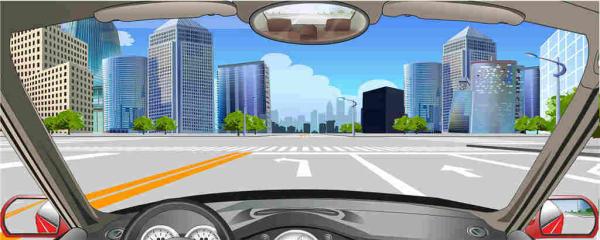
A. Right
B. Wrong
Answer: A
16. The red car is allowed to drive on this lane.
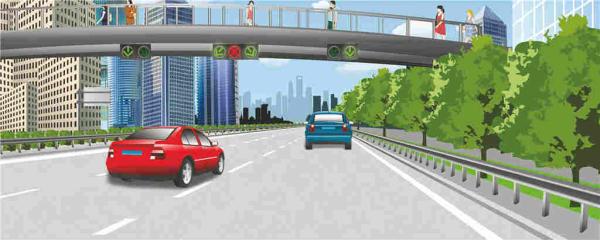
A. Right
B. Wrong
Answer: B
17. When a motor vehicle has deviated from the straight moving direction and an accident is unavoidable, the driver should decisively and continuously depress the brake pedal so as to shorten the stopping distance and reduce the impact of vehicle collision.
A. Right
B. Wrong
Answer: A
18. For evading an emergency on an expressway, which of the following principles should drivers stick to?
A. Evading vehicles first and objects later
B. Evading people first and objects later
C. Evading vehicles first and people later
D. Evading objects first and people later
Answer: B
19. The guide arrow on the road surface of this lane indicates that U-turns and left turns are permitted at the intersection ahead.

A. Right
B. Wrong
Answer: A
20. The sign in front indicates a 4-kilometer distance from the next exit.
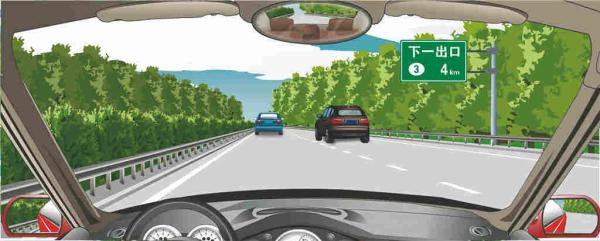
A. Right
B. Wrong
Answer: A