

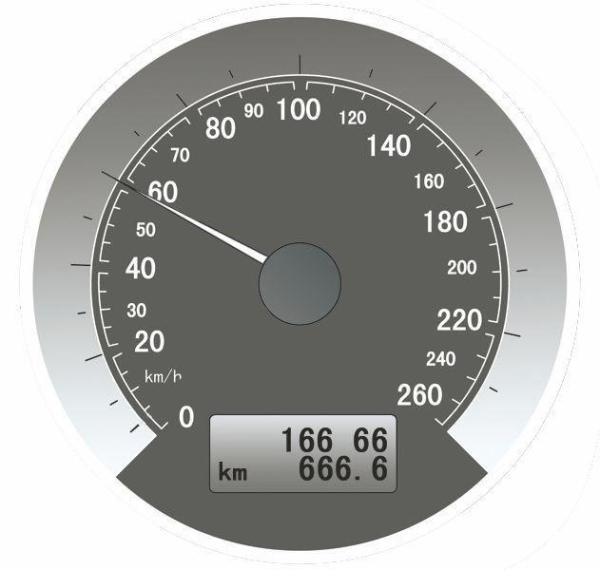
1. It displays the current engine speed is 6000 rev / min.
A. Right
B. Wrong
Answer: B
2. How to do when encountering this situation of waiting in line?
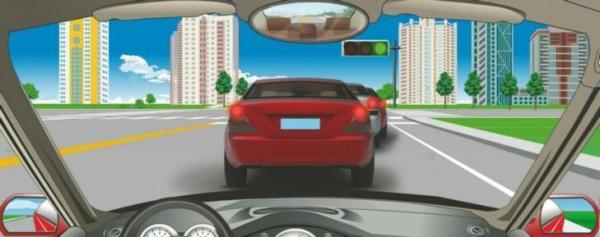
A. cross the solid line from left side to overtake
B. overtake from both sides as will
C. wait in line
D. borrow the lane from right side to overtake
Answer: C
3. Before entering a level crossing, the vehicle should reduce speed and change to a lower gear, and _____ after entering the level crossing.
A. Cannot change gear
B. Can change gear
C. Can change to a higher gear
D. Stop and look
Answer: A
4. If a person escapes after causing a traffic accident and constitutes a crime, his driving license should be revoked and he is banned _____ from re-obtaining a driving license.
A. within 5 years
B. within 10 years
C. within 20 years
D. for lifetime
Answer: D
5. The driver who chases and races while driving on the road, and commits serious acts is subject to ______
A. a prison term of 6 months
B. a prison term of more than 1 year
C. a criminal restriction and a fine
D. a criminal detention and a fine
Answer: D
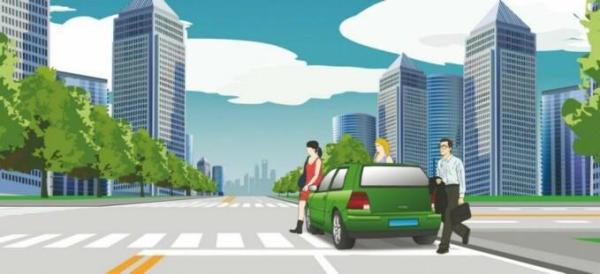
6. This small car can not stop here.
A. Right
B. Wrong
Answer: A
7. What marking is the white semicircle in the circle?

A. driving at reduced speed
B. ascertaining the vehicles speed
C. reducing the speed at the intersection
D. ascertaining the distance between the vehicles
Answer: D
8. Driving a motorized vehicle on the expressway is not allowed to exceed the marked maximum speed.
A. Right
B. Wrong
Answer: A
9. When a vehicle runs on an expressway at the speed of 100 kilometers per hour, its safe distance from the vehicle in front is not less than 100 meters.
A. Right
B. Wrong
Answer: A
10. When driving slowly in a congested road, the driver should ________ if another vehicle forcefully cuts in.
A. Honk to warn it against cutting in
B. Speed up to closely follow the vehicle in front and refuse to allow it to cut in
C. Squeeze the cutting-in vehicle to force it to leave
D. Voluntarily yield to ensure safe driving
Answer: D
11. Whats the meaning of this sign?
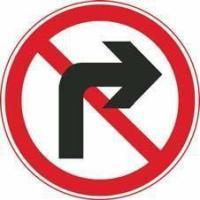
A. no entering the intersection
B. no right turn
C. no changing lane
D. no U turn
Answer: B
12. A motorized vehicle driver who uses other motorized vehicles license plate and vehicle license is subject to a 3-point penalty.
A. Right
B. Wrong
Answer: B
13. What does this symbol indicate?

A. luggage compartment is opened
B. engine compartment is opened
C. cover of fuel tank is opened
D. door of one side is opened
Answer: B
14. Must reduce the frequency of honking in this section.

A. Right
B. Wrong
Answer: B
15. May not drive if _____
A. the window is not closed
B. the door is not closed
C. the audio device is not closed
D. the roof window is not closed
Answer: B
16. Whats the meaning of this sign?
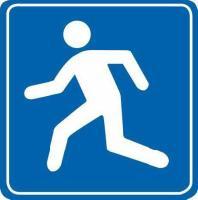
A. emergency shelter
B. service area
C. pedestrian passage
D. crossing road facility
Answer: A
17. Change driving license before of expiration.
A. 60 days
B. 30 days
C. 90 days
D. 6 months
Answer: C
18. In which situation the traffic police may detain the vehicle?
A. no vehicle registration papers
B. no insurance contract
C. no lable of environmental protection
D. no label of insurance
Answer: D
19. What is the max speed on this expressway?
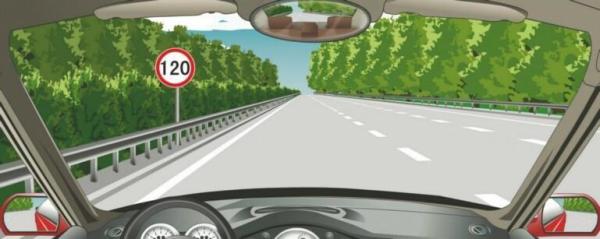
A. 60km/hr
B. 90km/hr
C. 90km/hr
D. 120km/hr
Answer: D
20. The driver is prohibited from opening the door and letting passengers on and off when a vehicle has not come to a full stop.
A. Right
B. Wrong
Answer: A