

1. It flashes when breaking down.

A. Right
B. Wrong
Answer: B
2. How to make a U turn in this intersection?
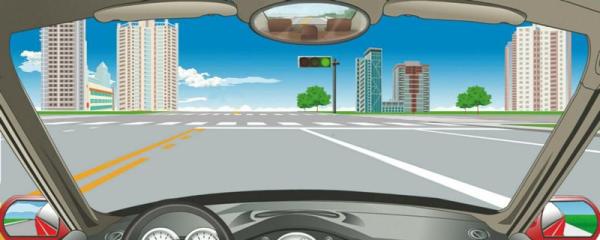
A. broken lines of the central line
B. make a U turn from the right lane
C. enter the intersection and make a U turn
D. make a U turn in the crosswalk
Answer: A
3. Whats the meaning of this sign?
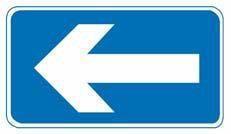
A. yield if going to turn left
B. straight one-way road
C. right one-way road
D. left one-way road
Answer: D
4. When causing a road accident involving property damage, the parties to the accident may leave the scene if they have no dispute over the fact and cause.
A. Right
B. Wrong
Answer: A
5. How to run on this road?
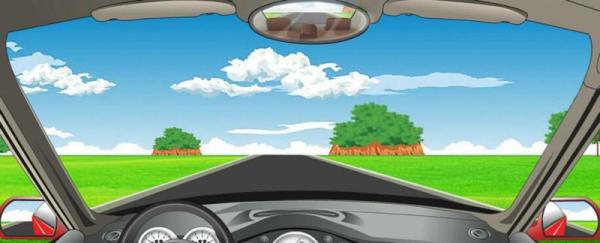
A. run in the middle of the road
B. run on both side of the road
C. run according to lanes
D. go forward at will
Answer: A
6. In which situation that a driver will not allowed to drive?
A. penalty points reach 10 points
B. penalty points reach 6 points
C. driving license lost or destroyed
D. driving license is nearly expired
Answer: C
7. Whats the meaning of the double white solid lines in far front of the intersection?
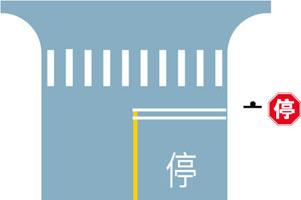
A. stopping and yield line
B. slowdown and yield line
C. left-turn waiting line
D. waiting to run line
Answer: A
8. Whats the meaning of this sign?

A. special lane for large buses
B. special lane for multi-passenger vehicles
C. special lane for public buses
D. special lane for BRT vehicles
Answer: D
9. What marking are the white serrated solid lines in the circle?
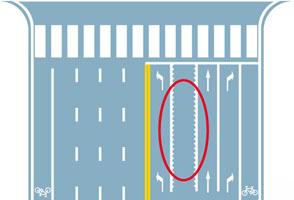
A. guide lane lines
B. direction guide line
C. variable guide lane line
D. one-way driving line
Answer: C
10. What kind of violation does this broken down vehicle have?
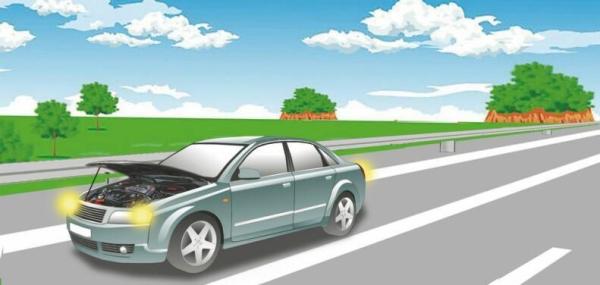
A. not turn on the hazard lights
B. not stop the car by the roadside
C. not solve the problem at once
D. not place the warning sign
Answer: D
11. A driver who drives an illegally assembled motorized vehicle is subject to ______ .
A. being held for criminal liabilities according to law
B. a fine of 200 yuan ~ 2,000 yuan
C. being revoked the vehicle license
D. being detained for less than 15 days
Answer: B
12. This sign reminds overflowing road or overflowing bridge ahead.
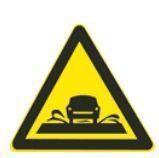
A. Right
B. Wrong
Answer: A
13. Whats the meaning of this sign?
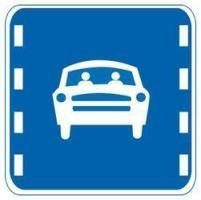
A. special lane for small vehicles
B. special lane for motorized vehicles
C. special lane for taxis
D. special lane for multi-passenger vehicles
Answer: D
14. Which is incorrect when a motorized vehicle breaks down on the expressway?
A. place warning sign as required
B. passengers cannot get off
C. call the police at once
D. turn on the hazard lights
Answer: B
15. When overtaking, the driver should try his best to increase the horizontal distance and,when necessary, may cross the solid line to overtake.
A. Right
B. Wrong
Answer: B
16. The vehicles are prohibited from passing when encountering this traffic light at the intersection.
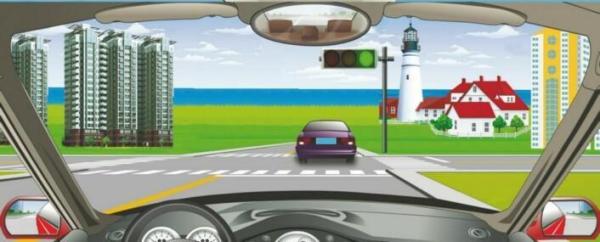
A. Right
B. Wrong
Answer: B
17. Whats the meaning of this sign?
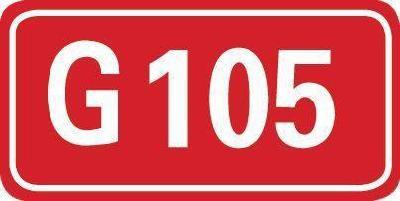
A. township road No.
B. county road No.
C. provincial highway No.
D. national highway No.
Answer: D
18. It flashes when turning on the hazard lights.

A. Right
B. Wrong
Answer: A
19. What does this sign mean?
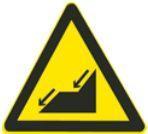
A. Reminding continuous two or more up slopes ahead
B. Reminding the steep uphill road ahead
C. Reminding the steep downhill road ahead
D. Reminding continuous two or more down slopes ahead
Answer: D
20. This sign reminds an unmanned level crossing ahead.
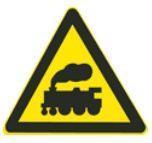
A. Right
B. Wrong
Answer: A