

1. Which should be carried onboard?
A. insurance policy
B. vehicle license
C. certificate of ex-factory inspection
D. vehicle registration papers
Answer: B
2. Traffic Police can detain the vehicle which is suspected of using other vehicle’s license plate and vehicle license.
A. Right
B. Wrong
Answer: A
3. When driving on a long downhill road, which is the best way to control driving speed?
A. Coast in neutral gear
B. Depress the clutch and coast
C. Use the engine to brake
D. Depress the brake pedal continuously
Answer: C
4. What is the meaning of this sign?

A. no entry for bicycles
B. lane for non-motorized vehicles
C. special lane for bicycles
D. bicycle stopping area
Answer: B
5. One who runs away after causing a traffic accident and constitute a crime can not apply for motorized vehicle driving license.
A. Right
B. Wrong
Answer: A
6. When evading an emergency, except for being calm what principle should be held by drivers?
A. Evading people first and then objects
B. Evading objects first and then vehicles
C. Evading vehicles first and then people
D. Evading objects first and then people
Answer: A
7. In which situation the traffic police can detain the vehicle according to law?
A. exceeding 10% of the prescribed speed limits
B. driving wen he is exhausted
C. not buckled up while driving
D. driving after drinking
Answer: D
8. If a motorized vehicle driver reaches 12 penalty points during the period of probation, the probation qualification should be revoked.
A. Right
B. Wrong
Answer: A
9. When a motorized vehicle runs in a foggy weather, the driver should turn on the fog light and the hazard lights.
A. Right
B. Wrong
Answer: A
10. When a motor vehicle stops in snow, which lamp should be turned on?
A. Front and rear fog lamps, clearance lamp and rear position lamp
B. Reverse lamp, clearance lamp and rear position lamp
C. Headlamp, clearance lamp and rear position lamp
D. Hazard lamps, clearance lamp and rear position lamp
Answer: D
11. What is the meaning of this sign?
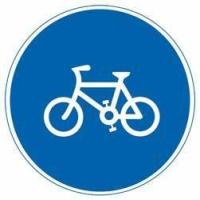
A. electric bicycles may go
B. parking space for non-motorized vehicles
C. parking area for non-motorized vehicles
D. non-motorized vehicles may go
Answer: D
12. When passing a sharp curve, motor vehicle drivers may overtake if there are few other vehicles on the road.
A. Right
B. Wrong
Answer: B
13. What is the meaning of this sign?
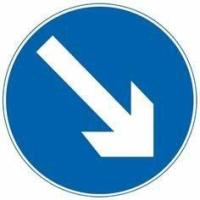
A. downhill section on right side
B. driving by the right side of the road
C. stopping by the right side of the road
D. right turn only
Answer: B
14. When driving a motorcycle, the driver may wear slippers for the sake of safety.
A. Right
B. Wrong
Answer: B
15. If a motorized vehicle driver has caused a major accident in violation of the traffic regulations which has caused serious injury, the driver is subject to a prison term of less than 3 years or a criminal detention.
A. Right
B. Wrong
Answer: A
16. When a motor vehicle temporarily stops in fog, which lamp should be turned on?
A. Hazard lamp, clearance lamp and rear position lamp
B. Left-turn indicator, clearance lamp and rear position amp
C. Headlamp, clearance lamp and rear position lamp
D. Reverse lamp, clearance lamp and rear position lamp
Answer: A
17. A driver can park the vehicle by borrowing the sidewalk if he cannot find the parking area.
A. Right
B. Wrong
Answer: B
18. What is the meaning of this sign?
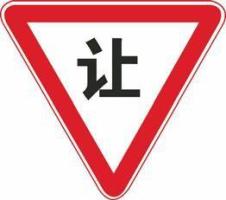
A. no yielding
B. yield while crossing each other
C. reduce speed and yield
D. stop to yield
Answer: C
19. The behavior of a motorized vehicle driver who has violated the law and regulations on road traffic safety is _______ .
A. faulty act
B. violation of regulations
C. rule-breaking act
D. violation of law
Answer: D
20. How to use lights when pulling over on road?
A. turn on the hazard lights
B. turn on the right-turn signal in advance
C. use the high and low beam lights alternately
D. not need to use any light to indicate
Answer: B