

1. Whats the meaning of the marking in the red circle?
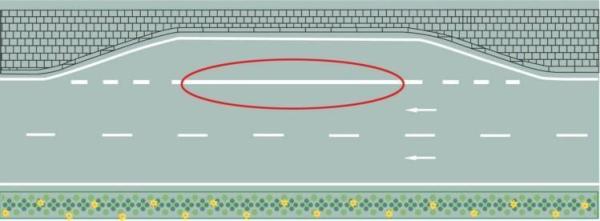
A. temporary stopping
B. bay-stopping
C. emergency stopping
D. public bus station
Answer: B
2. Traffic lights are divided into red, green and yellow light.
A. Right
B. Wrong
Answer: A
3. Whats the meaning of this sign?
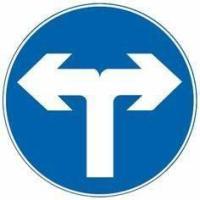
A. no left turn
B. left and right turn
C. no left and right turn
D. no right turn
Answer: B
4. When causing a road accident involving human casualties, the driver should immediately rescue the injured people and report to the traffic police as soon as possible.
A. Right
B. Wrong
Answer: A
5. If a motorized vehicle hits a building or a public facility, the vehicle may leave the scene right away.
A. Right
B. Wrong
Answer: B
6. What kind of behavior of this driver violates the law?
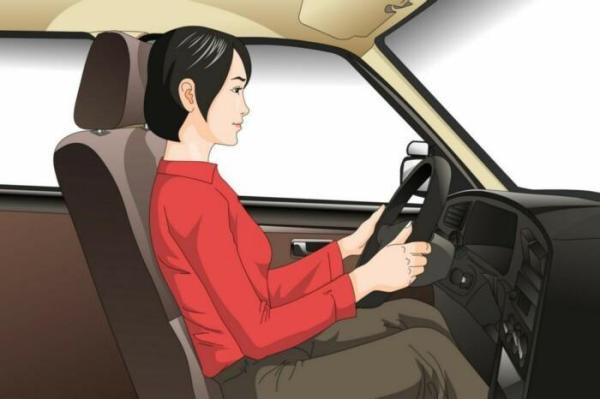
A. not hold the steering wheel according to regulation
B. angle of the seat is not correct
C. not buckled up
D. the driving posture is incorrect
Answer: C
7. This sign reminds bump road ahead which may causes bump phenomenon.
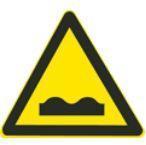
A. Right
B. Wrong
Answer: A
8. Whats the meaning of this sign?
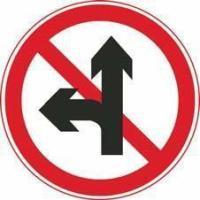
A. no going straight and no changing to left lane
B. no going straight and no left turn
C. allowed to go straight and turn left
D. no going straight and no right turn
Answer: B
9. When a vehicle on the main road approaches a conjunction with a feeder road, the driver should ______ in order to prevent a collision with a vehicle that suddenly enters from the feeder road.
A. Maintain the normal speed
B. Reduce speed in advance, observe and drive with care
C. Honk and swiftly pass
D. Speed up in advance and pass
Answer: B
10. Whats the meaning of this sign?
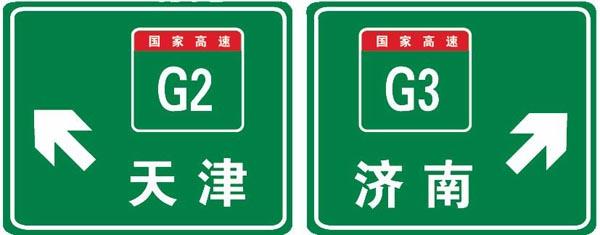
A. expressway right side exit ahead
B. expressway next exit indication
C. expressway location and direction indication
D. expressway left side exit ahead
Answer: C
11. Whats the meaning of the white solid lines at the edge of the carriageway on both sides of the road?
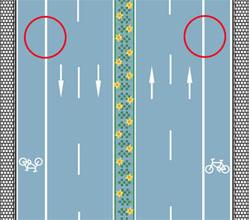
A. Vehicles may cross temporarily
B. Vehicles are not allowed to cross.
C. Motorized vehicles may cross temporarily.
D. Non-motorized vehicles may cross temporarily
Answer: B
12. A motorized vehicle driver who drives after drinking is subject to a 12-point penalty.
A. Right
B. Wrong
Answer: A
13. It displays that the current temperature of the coolant is 90 degrees.
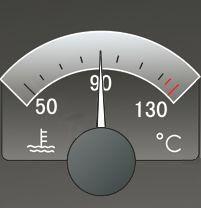
A. Right
B. Wrong
Answer: A
14. You have the priviledged passing right of way at the intersection in this situation.
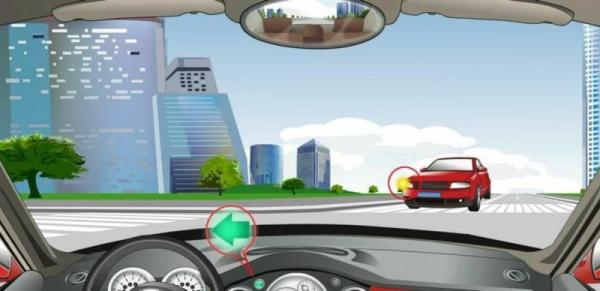
A. Right
B. Wrong
Answer: A
15. What pedal is it?
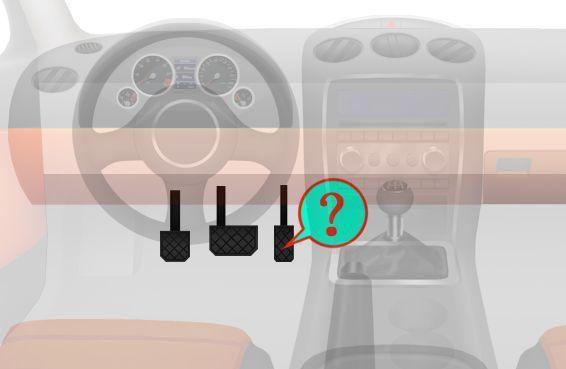
A. accelerator pedal
B. clutch pedal
C. handbrake
D. the brake pedal
Answer: A
16. If a person escapes after causing a traffic accident and constitutes a crime, his driving license should be revoked and he is banned _____ from re-obtaining a driving license.
A. within 5 years
B. within 10 years
C. within 20 years
D. for lifetime
Answer: D
17. Whats the meaning of this sign?
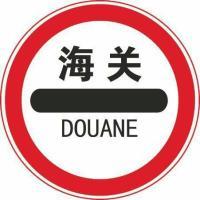
A. national boundaries
B. border defense
C. boundaries
D. customs
Answer: D
18. When a vehicle runs on an expressway at the speed of 100 kilometers per hour, its safe distance from the vehicle in front is not less than 100 meters.
A. Right
B. Wrong
Answer: A
19. What device does the switch of this symbol control?
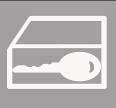
A. window glasses of both sides
B. electric door
C. door unlock
D. child safety lock
Answer: C
20. Whats the meaning of this mark on the road?
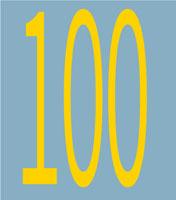
A. average speed is 100km/hr
B. minimum speed limit is 100km/hr
C. 100km/hr speed limit ban is lifted
D. maximum speed limit is 100km/hr
Answer: D