

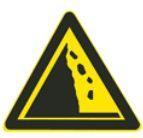
1. This sign reminds dangerous hillside road ahead.
A. Right
B. Wrong
Answer: B
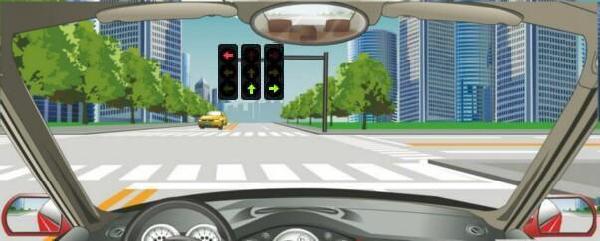
2. No turning left in this situation.
A. Right
B. Wrong
Answer: A
3. When a vehicle encounters a bike rider coming in the opposite direction on the road, the driver should _________.
A. Continuously change the high and low bean lights
B. Continuously honk
C. Use the low beam light, reduce speed or stop to evade
D. Use the high beam light
Answer: C
4. Speed up when passing the overflowing road.
A. Right
B. Wrong
Answer: B
5. The continuously flashing yellow light means that the vehicle may speed up and pass.
A. Right
B. Wrong
Answer: B
6. When a vehicle passes a level crossing, the driver should use the low gear to pass and should not change gear halfway in order to avoid engine kill.
A. Right
B. Wrong
Answer: A
7. When encountering non-motorized vehicles intending to bypass a stopping vehicle, the driver should ________.
A. Honk to indicate them to yield
B. Yield to them
C. Speed up and bypass
D. Follow them closely and honk
Answer: B
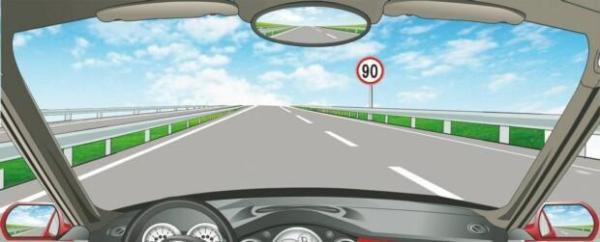
8. What is the max speed limit on this road?
A. 100 km/hr
B. 90 km/hr
C. 120 km/hr
D. 110 km/hr
Answer: B
9. If the license plate of a motorized vehicle has been destroyed, the owner of the vehicle should apply for reissuing or changing to the vehicle management station at the registration place.
A. Right
B. Wrong
Answer: A
10. When a vehicle leaves an expressway, it should reduce speed in the deceleration lane before entering the ramp.
A. Right
B. Wrong
Answer: A
11. What should a motorized vehicle has while running on the road?
A. a label of keeping distance
B. a label of reminding danger
C. a label of inspection
D. a label of product qualification
Answer: C
12. When overtaking a vehicle stopping on the right side, the driver should ________ in case that vehicle starts up suddenly or opens the door.
A. Speed up and pass
B. Keep honking
C. Maintain the normal speed
D. Keep a safe horizontal distance from that vehicle, reduce speed and pass
Answer: D
13. When a motorized vehicle runs on an expressway, it ________.
A. May stop on the road shoulder to let passengers on and off
B. May stop in the emergency lane to load and unload cargos
C. May overtake or stop in the acceleration or deceleration lane
D. Is not allowed to drive or stop in the emergency lane in a non-emergency case
Answer: D
14. A qualified driver should not only be technically adept, but more importantly have good driving habits and ethical attainments.
A. Right
B. Wrong
Answer: A
15. If the drivers household register has moved out of the original vehicle management station, the driver should apply to the vehicle management station _______ .
A. At the former place of his household register
B. At the residential place
C. At the new place of his household register
D. At the location of his household register
Answer: C
16. Traffic markings are divided into indication, warning and prohibition.
A. Right
B. Wrong
Answer: A
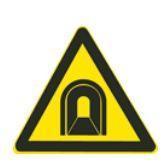
17. This sign reminds there is a one-way and poor lighting culvert ahead.
A. Right
B. Wrong
Answer: B
18. Using the high and low beam lights alternately while driving on the road of this kind of sharp curve.
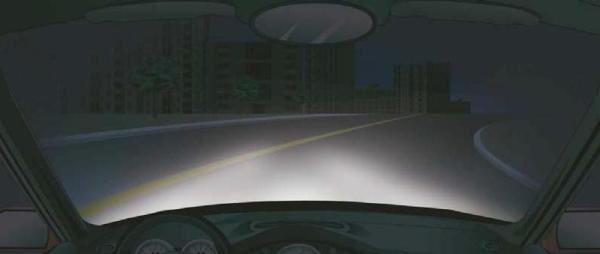
A. Right
B. Wrong
Answer: A
19. Choose the lane with the green arrow light on.
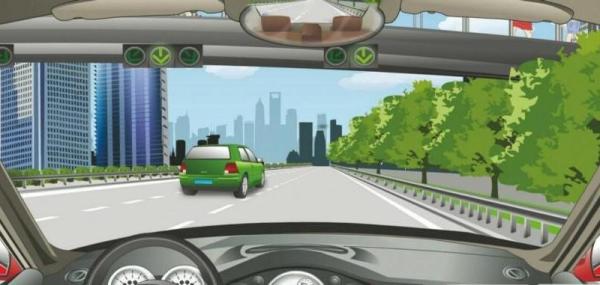
A. Right
B. Wrong
Answer: A
20. childrens passage

A. provincial highway No.
B. national highway No.
C. county road No.
D. township road No.
Answer: A