

1. How should motor vehicle drivers make a U-turn at the intersection ahead?
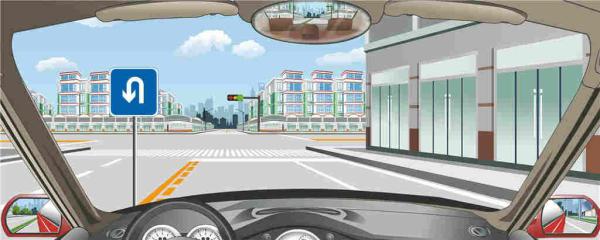
A. Make a U-turn in the waiting area for turning left
B. Make a U-turn at the broken line area of the Intersection
C. Wait until the left-turn indicator is on
D. Wait until the straight-going signal is on
Answer: B
2. The sign on the right warns of an unguarded railway crossing 150 meters ahead.
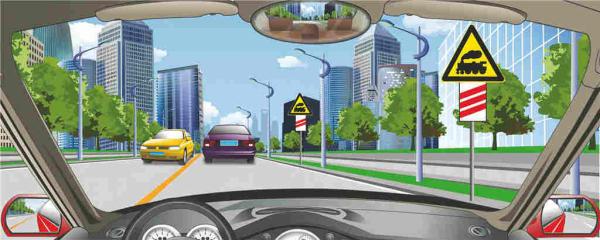
A. Right
B. Wrong
Answer: A
3. When a motor vehicle needs to stop for inspection after having an accident on an expressway, where should the driver park?
A. On the far outer lane
B. On the inner lane
C. On the emergency lane
D. In the triangle area on the ramp
Answer: C
4. Motor vehicle drivers may borrow a special lane for other vehicle types, if one exists, to overtake.
A. Right
B. Wrong
Answer: B
5. How should lamps be used by the motor vehicle driver who follows a vehicle on a road section where the street light condition is good?
A. Turn off the headlamp
B. Use high-beam
C. Turn off all lamps
D. Use low-beam
Answer: D
6. What should the driver do if the back wheel slides to the right on a muddy road?
A. Continuously speed up
B. Turn right
C. Turn left
D. Apply emergency brake
Answer: B
7. When temporarily parking on a raining day, what kind of lamp should the driver turn on?
A. Front and back fog lamps
B. Hazard warning lamp
C. Headlamp
D. Reversing lamp
Answer: B
8. When the motor vehicle encounters a crosswalk in this situation, the driver may speed up and pass rapidly.
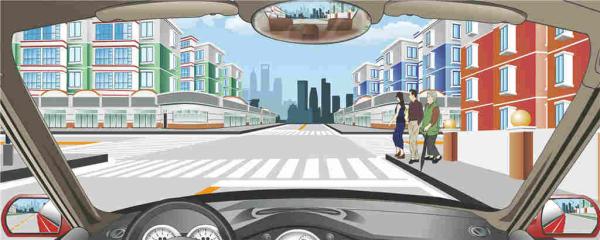
A. Right
B. Wrong
Answer: B
9. Having driven his vehicle at 110km/hour on an urban road, Mr. Lin is trying to leave the scene after a rear-end collision but is held back by bystanders. The alcohol concentration in his blood, tested in an alcohol test by the traffic police, is 135.8mg per hundred milliliters. Which of the following law-breaking acts did Mr. Lin commit?
A. Drunk driving
B. Speeding
C. Fatigued driving
D. Hit-and-run driving
Answer: ABD
10. When there is a braking failure, the driver should first control the direction and then try to control the speed.
A. Right
B. Wrong
Answer: A
11. Where is the proper parking place for breakdown motor vehicles stopping for examination?
A. In the far outer lane
B. In the inner lane
C. In the emergency lane
D. Entrance area of the ramp
Answer: C
12. What should the motor vehicle driver do when the motor vehicle encounters the crosswalk in this situation?

A. Slow down and pass
B. Speed up and pass
C. Sound the horn and pass
D. Stop immediately
Answer: A
13. The sign in the red circle indicates that the left road is only for small vehicles.
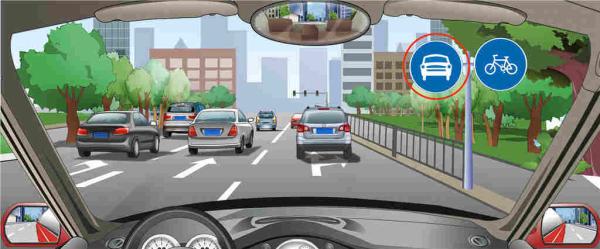
A. Right
B. Wrong
Answer: B
14. It is not safe for a female driver to wear high heels to drive a vehicle.
A. Right
B. Wrong
Answer: A
15. What should the driver pay attention to when the motor vehicle passes a school?
A. Observe the traffic signs and markings
B. Slow down and pass slowly
C. Prohibited from sounding the horn
D. Pass rapidly
Answer: ABC
16. Under such circumstances, what should be done by the motor vehicle driver?
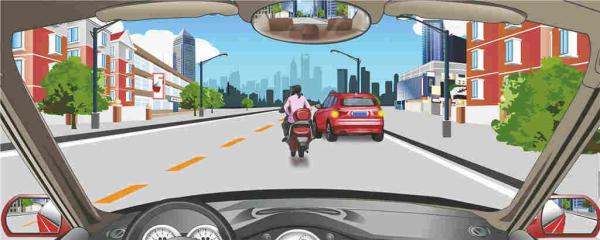
A. Reducing speed to give the right of way to the non-motor vehicle
B. Continuously sounding the horn to warn the vehicle in front to yield
C. Bypassing on the left of the non-motor vehicle
D. Accelerating to overtake by occupying the opposite lane
Answer: A
17. When removing a wounded person suffering spinal fracture, the rescuer should never help the wounded person to walk. He may be carried away with a soft stretcher.
A. Right
B. Wrong
Answer: B
18. The sign in front indicates an open-air parking lot with rest area is 200 meters ahead.
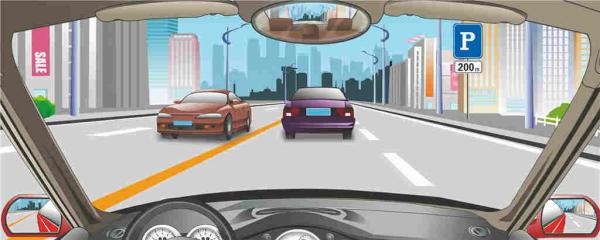
A. Right
B. Wrong
Answer: A
19. The guide arrow on the road surface of this lane indicates that only right turns are permitted at the intersection ahead.
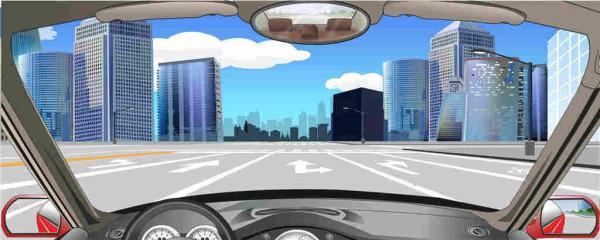
A. Right
B. Wrong
Answer: B
20. The sign on the right warns of a one-way tunnel ahead.
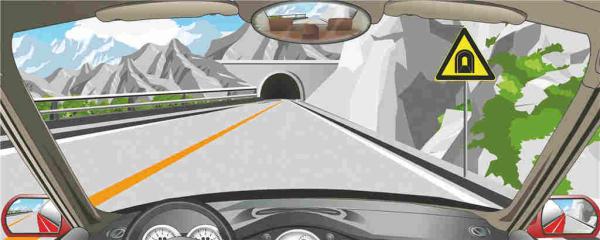
A. Right
B. Wrong
Answer: B