

1. The method of this small passenger vehicle to leave the expressway lane is correct.
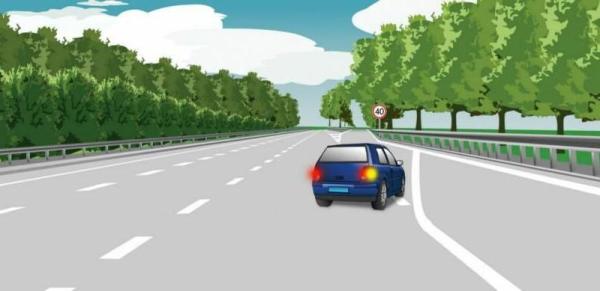
A. Right
B. Wrong
Answer: A
2. What is the max speed when visibility is less than 50m due to foggy, rainy or snowy?
A. 70km/hr
B. 50km/hr
C. 40km/hr
D. 30km/hr
Answer: D
3. How to pass this intersection?
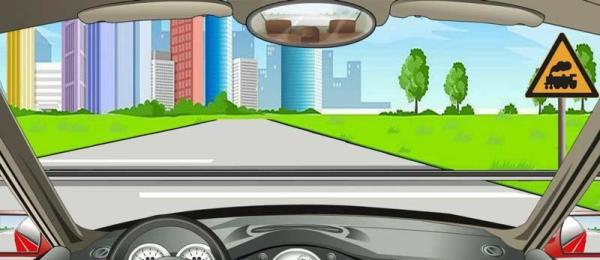
A. not reduce speed to pass
B. speed up to pass as soon as possible
C. slide over in the neutral gear
D. reduce speed or stop to observe
Answer: D
4. Whats the meaning of this sign?
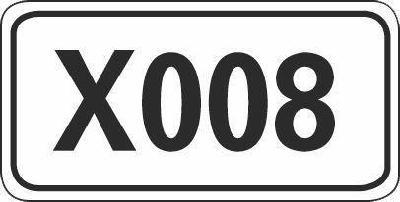
A. provincial highway No.
B. national highway No.
C. county road No.
D. township road No.
Answer: C
5. What mark is the inclined yellow and black lines?
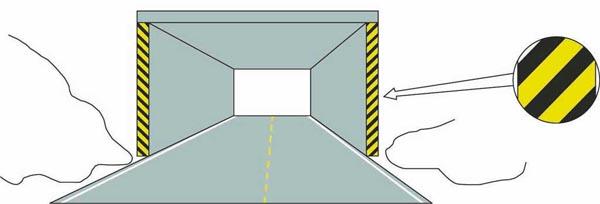
A. entity mark
B. protrusions mark
C. three-dimensional mark
D. deceleration mark
Answer: C
6. When starting up a vehicle stopping at the roadside, the driver should first ________.
A. Depress the accelerator pedal and start
B. Honk
C. Increase engine rotation speed
D. Observe the conditions around the vehicles
Answer: D
7. Whats the meaning of this sign?
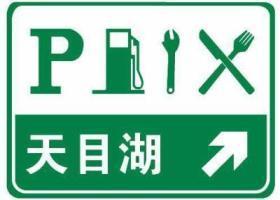
A. expressway bus station ahead
B. expressway shelter ahead
C. expressway service area ahead
D. expressway toll station ahead
Answer: C
8. When driving in icy and snowy weather, light reflection from the accumulated snow can easily make a driver feel dizzy and have an illusion.
A. Right
B. Wrong
Answer: A
9. Whats the meaning of this sign?
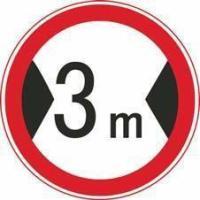
A. 3m width limit ahead
B. 3m width limit
C. the 3m width limit ban is lifted
D. 3m height limit
Answer: B
10. Cannot make a U turn in this section.
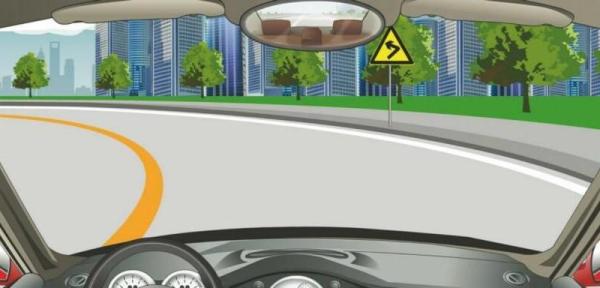
A. Right
B. Wrong
Answer: A
11. Use the high and low beam lights alternately when passing the crosswalk at night.
A. Right
B. Wrong
Answer: A
12. How the front vehicle to run in this situation?
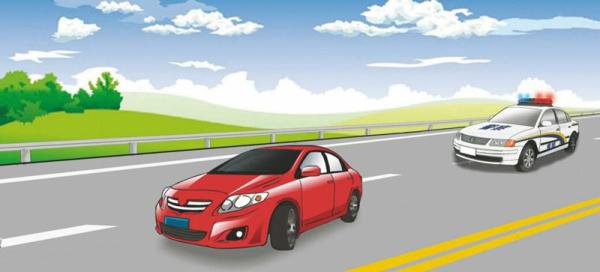
A. run as normal
B. yield
C. turn on the hazard lights
D. should not change lane
Answer: B
13. No turning left in this situation.
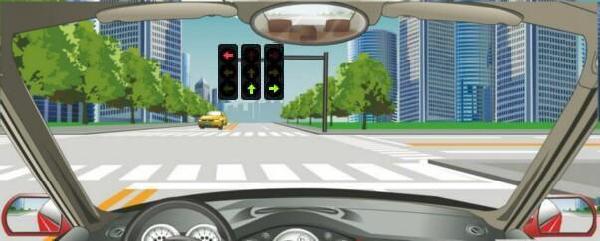
A. Right
B. Wrong
Answer: A
14. May not turn on the turn signal when overtaking.
A. Right
B. Wrong
Answer: B
15. Whats the meaning of this sign?
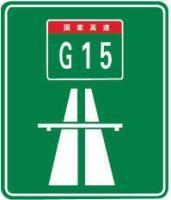
A. expressway exit
B. expressway beginning
C. expressway entry
D. expressway ending
Answer: B
16. Whats the meaning of this sign?
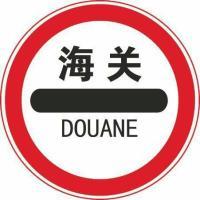
A. national boundaries
B. border defense
C. boundaries
D. customs
Answer: D
17. Whats the meaning of the yellow broken line on curbstone?
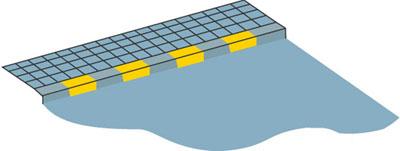
A. no temporary stopping
B. no taking and dropping people
C. no loading and unloading cargos
D. no long stopping
Answer: D
18. The main impact of mountain roads on safe driving is _______.
A. The traffic conditions are boring
B. The slopes are long, the curves are sharp and visibility range is shorter.
C. The traffic flow is heavy
D. The road signs are fewer
Answer: B
19. If a motorized vehicle causes a traffic accident on the expressway and cannot to run normally, the vehicle should be towed by a rescue vehicle or a tow truck.
A. Right
B. Wrong
Answer: A
20. A vehicle may stop on the ramp of an expressway.
A. Right
B. Wrong
Answer: B