

1. Whats the meaning of this sign?

A. an unmanned level crossing 100m ahead
B. a manned level crossing 100m ahead
C. an unmanned level crossing 50m ahead
D. a manned level crossing 50m ahead
Answer: C
2. It displays that the current temperature of the coolant is 90 degrees.
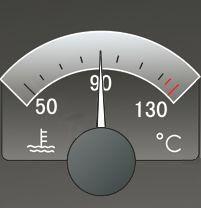
A. Right
B. Wrong
Answer: A
3. What device does the switch of this symbol control?

A. the windscreen defrosting
B. the rear window wiper
C. the rear window defrosting
D. the windscreen wiper
Answer: D
4. Whats the meaning of this sign?
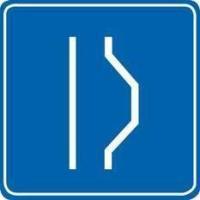
A. uncovered car park
B. emergency stopping
C. parking space
D. passing bay
Answer: D
5. Whats the meaning of this sign?
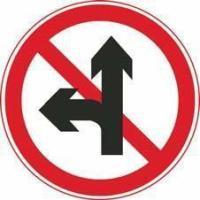
A. no going straight and no changing to left lane
B. no going straight and no left turn
C. allowed to go straight and turn left
D. no going straight and no right turn
Answer: B
6. Whats the meaning of this guide arrow?

A. going straight or U turn
B. going straight or left turn
C. going straight or changing to left lane
D. left turn or U turn
Answer: B
7. It flashes when breaking down.

A. Right
B. Wrong
Answer: B
8. A person who has taken the state-controlled psychiatric substances can drive motorized vehicle in short distance.
A. Right
B. Wrong
Answer: B
9. If a motorized vehicle driver allows his vehicle to be driven by a person whose driving license has been revoked, the traffic police will detain the driving license.
A. Right
B. Wrong
Answer: A
10. What device does the switch of this symbol control?
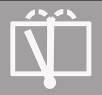
A. the windscreen wiper and washer
B. the rear window defrosting or defogging
C. the rear window wiper and washer
D. the windscreen defrosting or defogging
Answer: C
11. Whats the meaning of this sign?
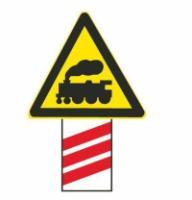
A. an unmanned level crossing 150m ahead
B. an unmanned level crossing 100m ahead
C. a manned level crossing 100m ahead
D. a manned level crossing 150m ahead
Answer: A
12. Whats the meaning of the diamond broken lines on the road?

A. road construction marking
B. vertical deceleration marking
C. horizontal deceleration marking
D. fewer lanes indication marking
Answer: B
13. What device does the switch of this symbol control?

A. the windscreen defrosting or defogging
B. the rear window wiper and washer
C. the windscreen wiper and washer
D. the rear window defrosting or defogging
Answer: C
14. It lights to indicate that ______

A. the side fans work
B. air external circulation
C. the front fan works
D. air internal circulation
Answer: C
15. This sign reminds there is a ferry ahead for vehicles.
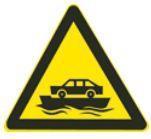
A. Right
B. Wrong
Answer: A
16. Speed up and pass when encountering this traffic light at the intersection
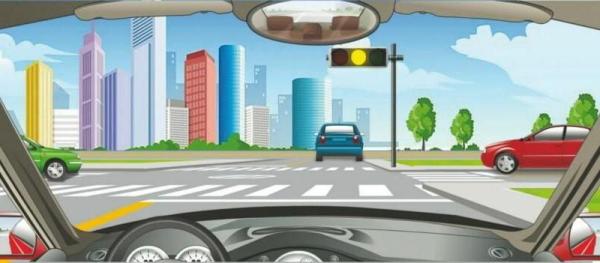
A. Right
B. Wrong
Answer: B
17. When driving at night, the drivers visibility range becomes shorter and his observation becomes poorer. At the same time, the driver can easily become tired because he has to highly concentrate his attention.
A. Right
B. Wrong
Answer: A
18. What is this instrument?
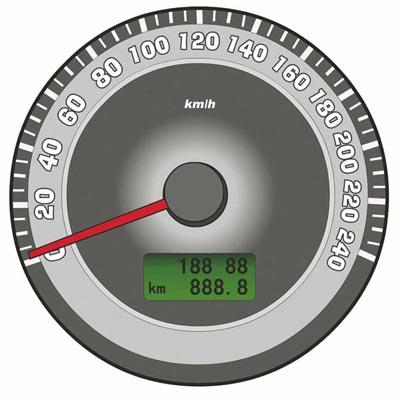
A. speed and mileage meter
B. engine tachometer
C. top speed meter
D. fuel consumption / 100 km
Answer: A
19. Traffic markings are divided into indication, warning and prohibition.
A. Right
B. Wrong
Answer: A
20. When a vehicle has increased its speed to more than 60 kilometers per hour on the ramp of an expressway, it may directly enter the carriageway.
A. Right
B. Wrong
Answer: B