

1. Whats the meaning of this sign?

A. fewer lanes
B. merging point
C. emergency lane
D. changing to left lane
Answer: A
2. A small bus driver should reduce speed rapidly when he suddenly feel bumpy on a flat expressway, to prevent tire blowout.
A. Right
B. Wrong
Answer: A
3. What device does the switch of this symbol control?

A. the windscreen defrosting or defogging
B. the rear window wiper and washer
C. the windscreen wiper and washer
D. the rear window defrosting or defogging
Answer: C
4. It lights to remind that engine oil needs to be filled.

A. Right
B. Wrong
Answer: B
5. In which situation that a driver cannot drive?
A. after drinking coffee
B. after drinking milk
C. after drinking
D. after drinking tea
Answer: C
6. Whats the meaning of this sign?
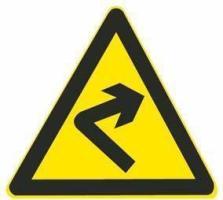
A. sharp right curve
B. bypass from right side
C. continuous curves
D. sharp left curve
Answer: A
7. When a vehicle has to stop on an expressway due to a vehicle trouble, the driver should place a breakdown warning sign beyond ______ m behind the vehicle.
A. 25
B. 150
C. 100
D. 50
Answer: B
8. Which kind of sign is it?
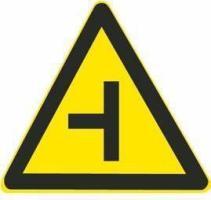
A. warning sign
B. directional sign
C. indicative sign
D. prohibitive sign
Answer: A
9. What marking is the yellow road surface in the center of the intersection?
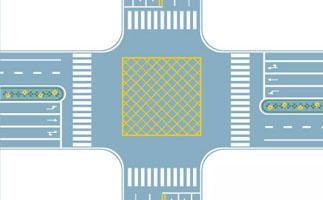
A. central circle
B. guide line
C. cross-hatched marking
D. parking area
Answer: C
10. This sign reminds the width of the bridge narrows ahead.

A. Right
B. Wrong
Answer: B
11. When a vehicle reaches a sharp curve, the driver should _______.
A. Brake suddenly and go slowly
B. Drive along the outer side of the curve
C. Fully reduce speed and drive on the right side
D. Go forward by borrowing the opposite lane
Answer: C
12. What is the max speed on a road covered by ice and snow
A. 50km/hr
B. 40km/hr
C. 30km/hr
D. 20km/hr
Answer: C
13. If a person escapes after causing a traffic accident and constitutes a crime, his driving license should be revoked and he is banned _____ from re-obtaining a driving license.
A. within 5 years
B. within 10 years
C. within 20 years
D. for lifetime
Answer: D
14. The doors of both sides are not closed if it lights.

A. Right
B. Wrong
Answer: A
15. When a following vehicle gives the overtaking signal, the driver should ________ if conditions permit.
A. Move to the right side and speed up
B. Voluntarily reduce speed and drive along the right side
C. Yield a proper space and speed up
D. Reduce speed rapidly or apply an emergency braking
Answer: B
16. How to do when encountering slow-moving vehicles in front?
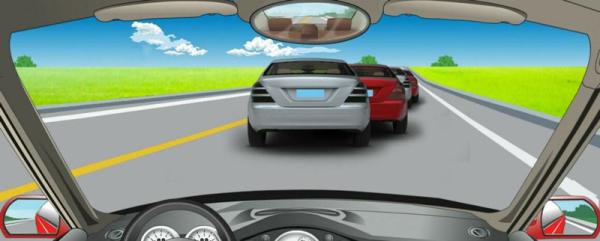
A. follow the vehicles in front
B. occupy the opposite lane to overtake
C. borrow the lane from right side to overtake
D. overtake from both sides as will
Answer: A
17. The vehicles should run by the right shoulder of an expressway.
A. Right
B. Wrong
Answer: B
18. Whats the meaning of this sign?

A. straight-going lane
B. going straight only
C. one-way road
D. no going straight
Answer: B
19. Is there any effective auxiliary method to control the speed while driving on a long downhill road besides braking.
A. Shift to the neutral gear and slide
B. Use the engine to brake
C. Turn off the engine and slide
D. Depress the clutch and slide
Answer: B
20. What is this instrument?
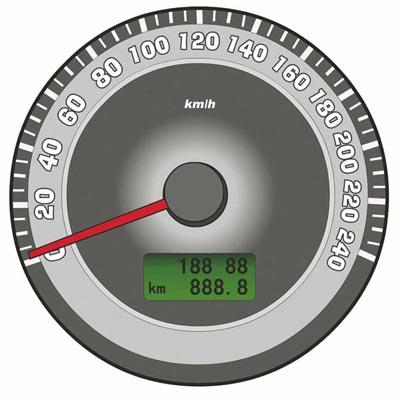
A. speed and mileage meter
B. engine tachometer
C. top speed meter
D. fuel consumption / 100 km
Answer: A