

1. How to do when encountering this situation of waiting in line?
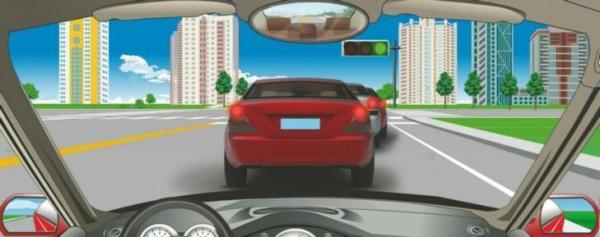
A. cross the solid line from left side to overtake
B. overtake from both sides as will
C. wait in line
D. borrow the lane from right side to overtake
Answer: C
2. A driver should observe the dynamic situation of the rear side vehicles before driving into the traffic flow from other road.
A. Right
B. Wrong
Answer: A
3. In which situation the traffic police may detain the vehicle on road?
A. not hang the license plate
B. no ID card
C. no insurance contract
D. no lable of environmental protection
Answer: A
4. How to run at this position when leaving the expressway?
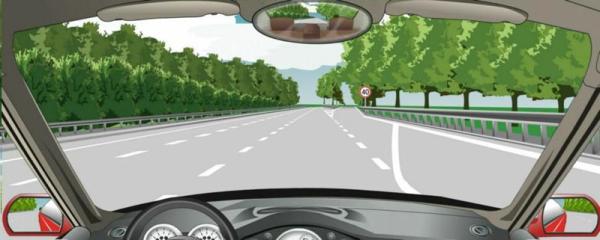
A. enter the deceleration lane
B. keep running forward
C. keep the speed at 100km/hr
D. reduce the speed to less than 40km/hr
Answer: A
5. Whats the meaning of this sign?
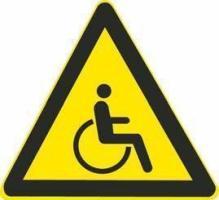
A. exit and entry for disabled people
B. watch for disabled people
C. rest area for disabled people
D. special passage for disabled people
Answer: B
6. What mark is the inclined yellow and black lines?
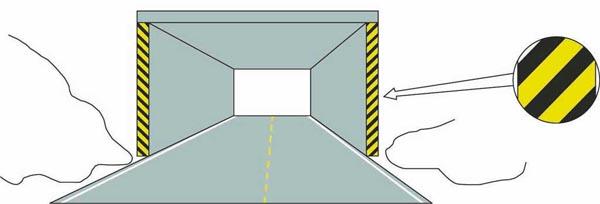
A. entity mark
B. protrusions mark
C. three-dimensional mark
D. deceleration mark
Answer: C
7. When encountering a vehicle in the opposite direction forcing its way by using his lane, the driver should __________.
A. Force the other side to drive by the right side
B. Use the high beam light to warn the other side
C. Voluntarily yield to the other side
D. Go ahead by the center of the road
Answer: C
8. How to use lights in this weather condition?
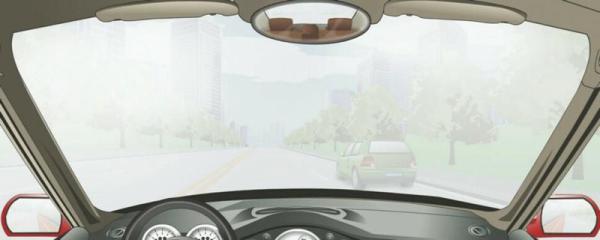
A. use high beam lights
B. use fog lights
C. not use any light
D. turn on the right-turn signal
Answer: B
9. When running on an expressway that has four lanes in the same direction, the vehicles whose speed is higher than 110 kilometers per hour should run ______.
A. The far left lane
B. The second left lane
C. The far right lane
D. The third left lane
Answer: A
10. It lights to indicate that luggage compartment is open.

A. Right
B. Wrong
Answer: B
11. Whats the meaning of this sign?
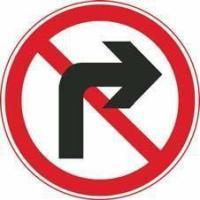
A. no entering the intersection
B. no right turn
C. no changing lane
D. no U turn
Answer: B
12. The validity of the Admission Form is _________
A. 1 year
B. 2 years
C. 3 years
D. 4 years
Answer: C
13. If a person has caused a traffic accident and run away, and constitutes a crime, his driving license should be revoked and he is banned for lifetime from re-obtaining a driving license.
A. Right
B. Wrong
Answer: A
14. The vehicles should run by the right shoulder of an expressway.
A. Right
B. Wrong
Answer: B
15. Whats the meaning of this sign?
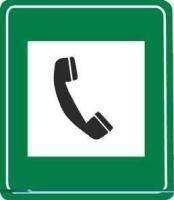
A. expressway public phone
B. expressway police phone
C. expressway emergency phone
D. expressway rescue phone
Answer: C
16. If a motorized vehicle driver causes a traffic accident and runs away but his conduct does not constitute a crime, he is subject to a 12-point penalty.
A. Right
B. Wrong
Answer: A
17. Whats the meaning of this sign?
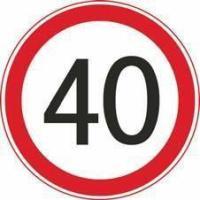
A. reducing speed 40m ahead
B. minimum speed is 40km/hr
C. axle weight limit is 40 tons
D. maximum speed limit is 40km/hr
Answer: D
18. The main impact of the road conditions in icy and snowy weather is ______.
A. The electric equipment can easily get wet and cause short circuit
B. The visibility is lower and the field of vision is blurred
C. The resistance to the vehicle increases
D. Poor braking performance and Side pulling
Answer: D
19. If a person escapes after causing a traffic accident and constitutes a crime, his driving license should be revoked and he is banned _____ from re-obtaining a driving license.
A. within 5 years
B. within 10 years
C. within 20 years
D. for lifetime
Answer: D
20. Whats the meaning of this sign?
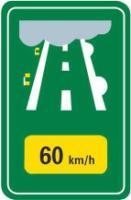
A. recommended speed in unusual weather
B. minimum speed in unusual weather
C. average speed in unusual weather
D. maximum speed in unusual weather
Answer: A