

1. Whats the role of directional sign?
A. restrict the vehicles from passing
B. indicate speed limited information
C. provide direction information
D. warn danger ahead
Answer: C
2. The reason that a road destroyed by flood affects safe driving and smooth passage is __.
A. The road grip becomes stronger
B. It is impossible to see the hidden holes and bumps in road surface
C. The visibility become lower and blurs the field of vision
D. The sunshine reflection blurs the view
Answer: B
3. Whats the meaning of this guide arrow?

A. indicate going straight or turning right
B. indicate turning right or making a U turn
C. indicate going straight or changing to right lane
D. indicate going straight or making a U turn
Answer: A
4. A vehicle is not allowed to reverse on the ramp of an expressway.
A. Right
B. Wrong
Answer: A
5. Whats the meaning of this sign?
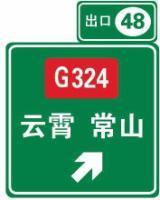
A. expressway right exit ahead
B. expressway destination indication
C. expressway left exit ahead
D. expressway next exit ahead
Answer: A
6. The penalty points will be _____ if violating the traffic lights.
A. 2-point penalty
B. 3-point penalty
C. 6-point penalty
D. 12-point penalty
Answer: C
7. Whats the meaning of this sign?
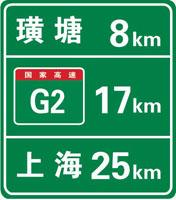
A. indication of the place name of the expressway ending
B. indication of the driving route of the expressway
C. indication of the driving direction of the expressway
D. indication of the location and distance of the expressway
Answer: D
8. If a motorized vehicle driver reaches 12 penalty points during the period of probation, the probation qualification should be revoked.
A. Right
B. Wrong
Answer: A
9. Whats the meaning of the yellow solid line on the curbstone?
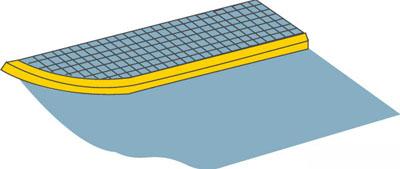
A. only for taking and dropping people
B. only for loading and unloading cargos
C. no long stopping
D. no parking
Answer: D
10. When driving in a heavy rain, the driver should control the speed to avoid the danger arising from water slide.
A. Right
B. Wrong
Answer: A
11. Whats the meaning of this guide arrow?

A. indicate changing to left lane
B. indicate changing to left lane
C. indicate making a U turn ahead
D. indicate turning right ahead
Answer: D
12. When a vehicle coming in the opposite direction suddenly overtakes and occupies your lane, the correct way to deal with this situation is to __________.
A. Obstruct the way of that vehicle
B. Maintain the original speed
C. Reduce speed and avoid as much as possible, till stop
D. Speed up and go forward
Answer: C
13. When a vehicle stops temporarily in a rainy day, the driver should turn on ______.
A. The head and tail fog lights
B. The hazard lights
C. The high beam light
D. The reverse light
Answer: B
14. Move the turn signal switch upward, the left-turn signal lights.
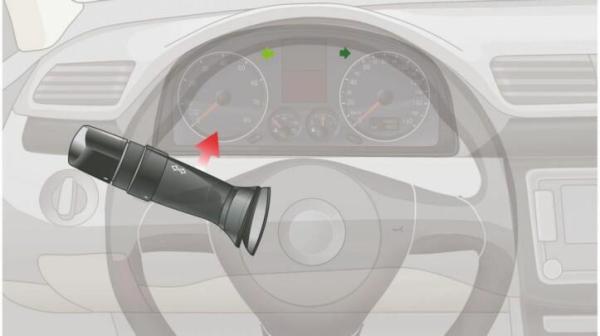
A. Right
B. Wrong
Answer: B
15. What is the minimum speed in this lane?
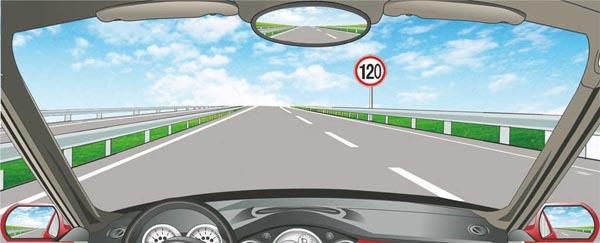
A. 60km/hr
B. 90km/hr
C. 100km/hr
D. 110km/hr
Answer: C
16. Driving motor vehicle with ABS system may occur side skidding when applying emergency braking.
A. Right
B. Wrong
Answer: A
17. Stopping the vehicle temporarily in the crosswalk is the act of violation of the law.
A. Right
B. Wrong
Answer: A
18. Whats the meaning of this sign?
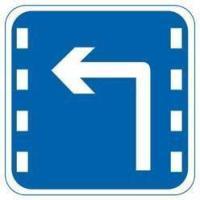
A. right-turn lane
B. U turn lane
C. left-turn lane
D. lanes for going in different directions
Answer: C
19. When reaching a sharp curve, the driver should reduce speed and drive on the right side so as to avoid colliding with the vehicle crossing the central line of the curve in the opposite direction.
A. Right
B. Wrong
Answer: A
20. Steering wheel will be locked if removing the key while the ignition switch is in the LOCK position.
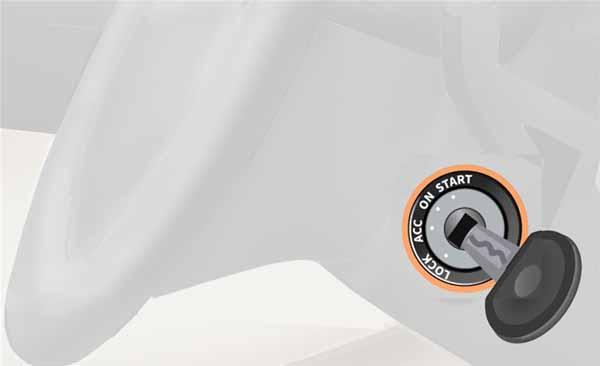
A. Right
B. Wrong
Answer: A