

1. Whats the meaning of this sign?
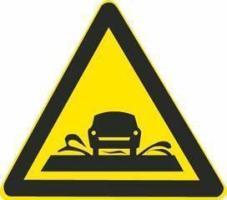
A. muddy road
B. low-lying road
C. overflowing road
D. ferry
Answer: C
2. How to turn left at this intersection?
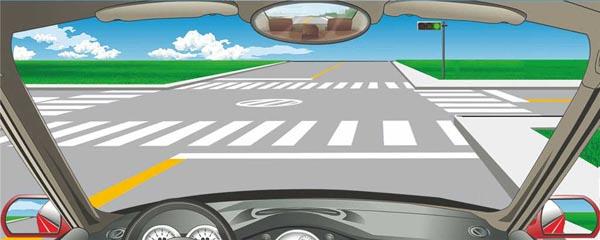
A. along the right side of the center point in the intersection
B. along the left side of the center point in the intersection
C. cover the center point in the intersection
D. can not turn left
Answer: B
3. Traffic Police only imposes a fine if a vehicle is suspected of using the falsified or altered label of inspection.
A. Right
B. Wrong
Answer: B
4. It lights to indicate that ______
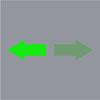
A. left-turn signal flashes
B. front and rear width lights light on
C. front and rear width lights light on
D. right-turn signal flashes
Answer: A
5. Whats the meaning of this sign?
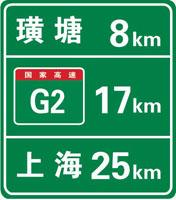
A. indication of the place name of the expressway ending
B. indication of the driving route of the expressway
C. indication of the driving direction of the expressway
D. indication of the location and distance of the expressway
Answer: D
6. When a vehicle passes a tunnel, it is prohibited from overtaking.
A. Right
B. Wrong
Answer: A
7. This set of the hand signals of the traffic police indicates that the vehicles should ____ .
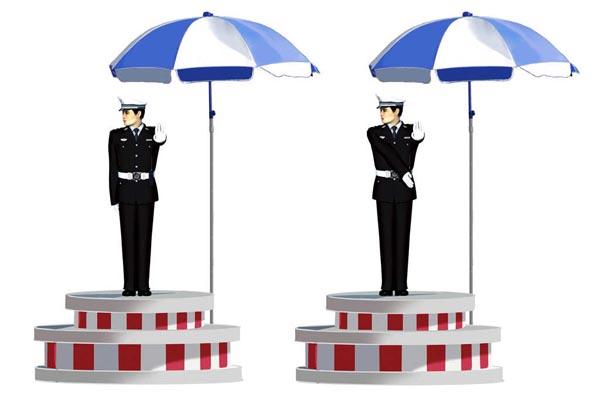
A. reduce speed and pass slowly
B. pull over
C. stop
D. turn right
Answer: D
8. How to use lights in this weather condition?
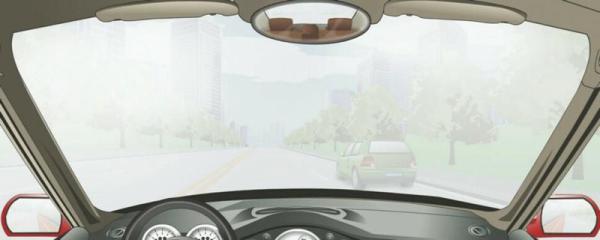
A. use high beam lights
B. use fog lights
C. not use any light
D. turn on the right-turn signal
Answer: B
9. Before a vehicle enters a curve of a mountain road, the driver ______ if there is no vehicle coming in the opposite direction.
A. Should reduce speed, honk and drive on the right side
B. Should drive along the outer side of the curve
C. May briefly borrow the opposite lane
D. May speed up and pass along the tangent line of the curve
Answer: A
10. In which situation that a driver will not allowed to drive?
A. penalty points reach 10 points
B. penalty points reach 6 points
C. driving license lost or destroyed
D. driving license is nearly expired
Answer: C
11. The act of this small passenger vehicle to enter the expressway lane is correct.
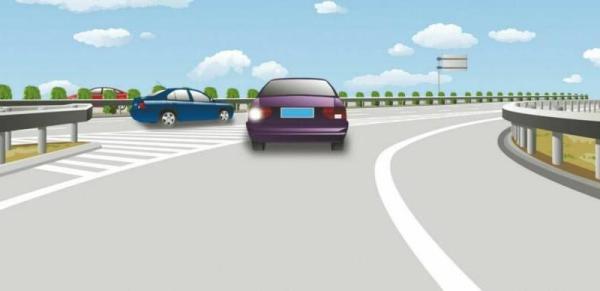
A. Right
B. Wrong
Answer: B
12. If a person who has caused a major traffic accident and if his act constitutes a crime, he should be held for _________.
A. criminal liability
B. civil liability
C. direct liability
D. economic liability
Answer: A
13. This sign warns the driver there have traffic lights ahead.

A. Right
B. Wrong
Answer: A
14. Which part does it control when pulling this switch?
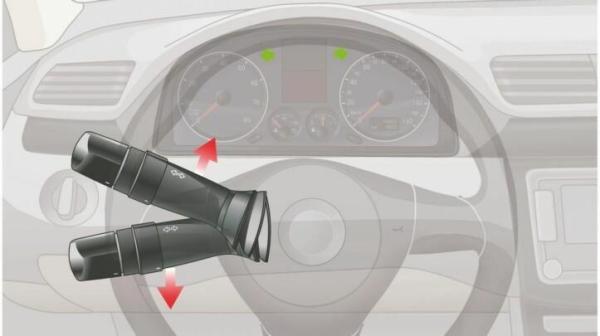
A. turn signals
B. reverse light
C. contour light
D. hazard light
Answer: A
15. When encountering non-motorized vehicles cutting in on the road, the driver should ___.
A. Honk to warn
B. Speed up and pass
C. Reduce speed and yield
D. Suddenly speed up when approaching
Answer: C
16. When driving in a rainy day, the driver should _____ when a pedestrian holding umbrella or in raincoat is walking on the highway.
A. Continuously honk to indicate him to yield
B. Speed up and bypass
C. Honk in advance and properly reduce speed
D. Drive at the normal speed
Answer: C
17. Pass the crossing as fast as possible if there is a red light at the intersection of a road or a level crossing.
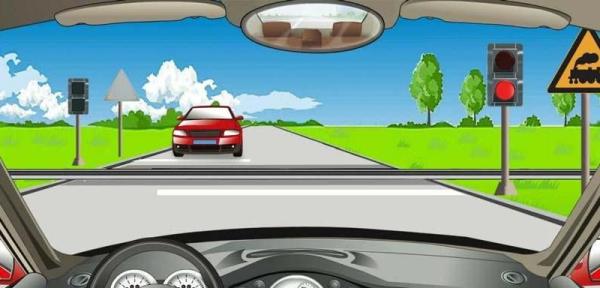
A. Right
B. Wrong
Answer: B
18. When driving a small vehicle downhill, the driver may coast down by stopping the engine.
A. Right
B. Wrong
Answer: B
19. When discovering a vehicle behind wanting to overtake while driving, the driver should _______.
A. Maintain the original speed
B. Reduce speed, observe and run by the right side to yield
C. Speed up and go ahead by the right side
D. Not yield
Answer: B
20. Whats the meaning of this sign?
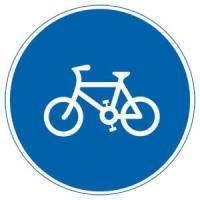
A. electric bicycles may go
B. parking space for non-motorized vehicles
C. parking area for non-motorized vehicles
D. non-motorized vehicles may go
Answer: D