

1. What is this manipulation device?
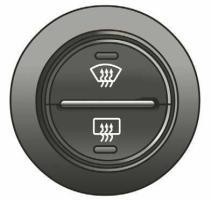
A. switch of the turn signal
B. switch of the head lights
C. switch of wiper
D. switch of defogger
Answer: D
2. It lights to indicate that ______

A. not buckled up
B. safety belt malfunction
C. the safety belts are too loose
D. buckled up already
Answer: A
3. If the accumulated penalty points of a motorized vehicle driver reach 12 points and the driver refuses to participate in the study course and also refuses to take tests, it should be publicly announced that his driving license should no longer be used.
A. Right
B. Wrong
Answer: A
4. In such road sections, you can enter the cross-hatched marking area to wait.
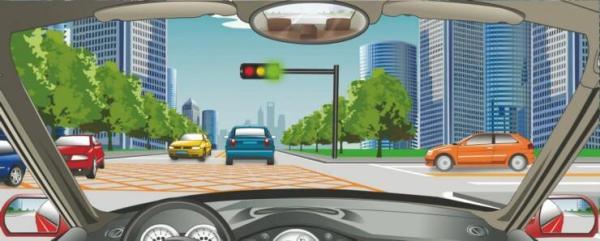
A. Right
B. Wrong
Answer: B
5. Is there any effective auxiliary method to control the speed while driving on a long downhill road besides braking.
A. Shift to the neutral gear and slide
B. Use the engine to brake
C. Turn off the engine and slide
D. Depress the clutch and slide
Answer: B
6. When a vehicle approaches a crosswalk, the driver should ________.
A. Speed up and pass
B. Stop immediately
C. Honk to indicate the pedestrians to yield
D. Observe the movement of pedestrians and non-motorized vehicles, make sure it is safe before passing
Answer: D
7. What is the max speed on the expressway when the visibility is lower than 100 meters?
A. less than 40km/hr
B. less than 60km/hr
C. less than 80km/hr
D. less than 90km/hr
Answer: A
8. When running on an expressway, the driver should ____ if he has missed the exit.
A. Reverse to the original place
B. Continue to go ahead and find the next exit
C. Immediately stop
D. Make a U turn from where he is
Answer: B
9. No turning right at the intersection ahead.

A. Right
B. Wrong
Answer: B
10. It lights to remind that the driver??s seat is not adjusted properly.

A. Right
B. Wrong
Answer: B
11. When running on the road having maximum speed limit signs, the motorized vehicle is not allowed to exceed the marked maximum speed.
A. Right
B. Wrong
Answer: A
12. When a tire blows out suddenly on the road, the driver should refrain from violently depressing the brake pedal in panic. Instead, he should try his best to shift the gear to a low position and use the engine braking to reduce the speed of the vehicle.
A. Right
B. Wrong
Answer: A
13. Whats the meaning of this sign?
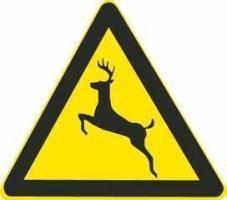
A. watch for wildlife
B. watch for animals
C. zoo park
D. opened pastoral area
Answer: A
14. Whats the meaning of this sign?
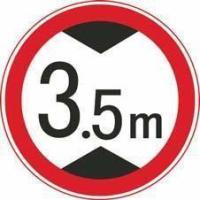
A. 3.5m width limit
B. 3.5m width limit ban is lifted
C. 3.5m distance from vehicles limit
D. 3.5m height limit
Answer: D
15. Whats the meaning of this sign?
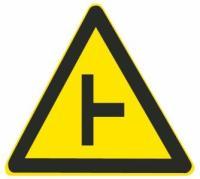
A. Y-shaped intersection
B. T-shaped intersection
C. intersection
D. ring intersection
Answer: B
16. Let the straight-going vehicle go first at this intersection.
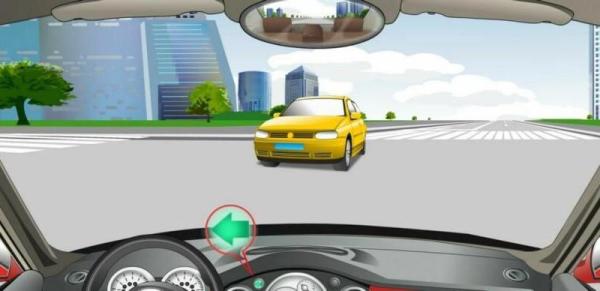
A. Right
B. Wrong
Answer: A
17. When the driver senses a tire blowout on the road, he should control the direction of the vehicle, gently depress the brake pedal to slowly reduce the speed and gradually park the vehicle steadily on the roadside.
A. Right
B. Wrong
Answer: A
18. If a motorized vehicle driver escapes after causing a major traffic accident which has caused human death, the driver is subject to a prison term of ________.
A. more than 7 years
B. less than 3 years
C. 3 ~ 7 years
D. more than 10 years
Answer: C
19. Whats the meaning of this guide arrow?

A. changing to left lane
B. going straight ahead
C. left turn ahead
D. right turn ahead
Answer: C
20. You should speed up through the section with this kind of traffic marking.
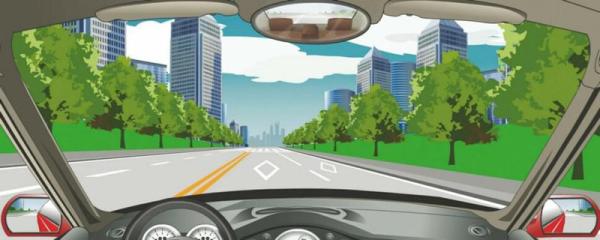
A. Right
B. Wrong
Answer: B