

1. How to run on this road?
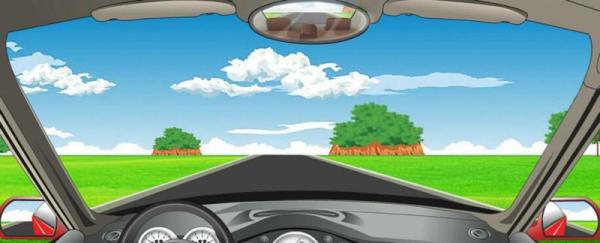
A. run in the middle of the road
B. run on both side of the road
C. run according to lanes
D. go forward at will
Answer: A
2. The main impact of mountain roads on safe driving is _______.
A. The traffic conditions are boring
B. The slopes are long, the curves are sharp and visibility range is shorter.
C. The traffic flow is heavy
D. The road signs are fewer
Answer: B
3. When changing lanes on an expressway, the driver should turn on the turn signal in advance, observe the traffic conditions, and slowly turn the steering wheel and enter the new lane after making sure it is safe to do so.
A. Right
B. Wrong
Answer: A
4. When a motorized vehicle driving license is lost or destroyed to be unrecognizable, the driver should apply to the issuing vehicle management station for a reissue.
A. Right
B. Wrong
Answer: A
5. Whats the meaning of this sign?
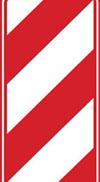
A. Passing on both sides
B. Passing by the right side
C. Passing by the left side
D. Passing is prohibited
Answer: C
6. If a motorized vehicle driver has caused a major traffic accident in violation of the traffic regulations which has caused human death due to his escaping, the driver is subject to a prison term of 3 years ~ 7 years.
A. Right
B. Wrong
Answer: B
7. You may not use the turn signal when you change to the right lane.
A. Right
B. Wrong
Answer: B
8. Causing a traffic accident due to violating the law and regulations on road traffic safety is the rule-breaking act.
A. Right
B. Wrong
Answer: B
9. When driving in icy and snowy weather, the vehicle steadiness decreases and sudden acceleration can very easily cause spins and slides.
A. Right
B. Wrong
Answer: A
10. When a motorized vehicle runs on an expressway, it ________.
A. May stop on the road shoulder to let passengers on and off
B. May stop in the emergency lane to load and unload cargos
C. May overtake or stop in the acceleration or deceleration lane
D. Is not allowed to drive or stop in the emergency lane in a non-emergency case
Answer: D
11. Whats the meaning of this sign?
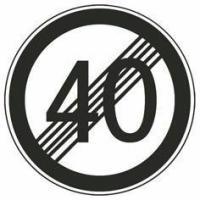
A. driving at reduced speed in the section of 40 meters
B. minimum speed is 40km/hr
C. maximum speed is 40km/hr
D. 40km/hr speed limit ban is lifted
Answer: D
12. A vehicle running on an expressway may frequently change lanes.
A. Right
B. Wrong
Answer: B
13. Whats the meaning of this sign?
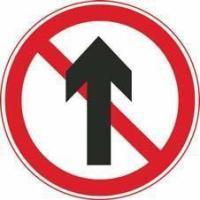
A. no right turn
B. no U turn
C. no going straight
D. no left turn
Answer: C
14. What is the minimum speed in this lane?
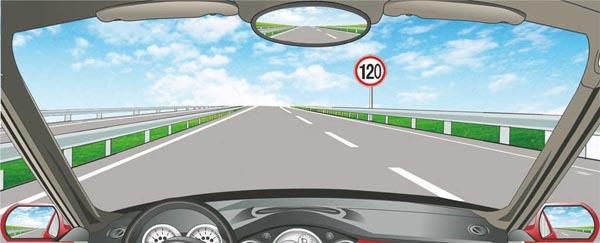
A. 60km/hr
B. 90km/hr
C. 100km/hr
D. 110km/hr
Answer: C
15. Continue to go through if having passed the stop line when encountering this traffic light at the intersection.
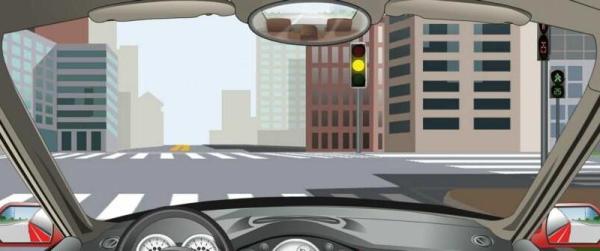
A. Right
B. Wrong
Answer: A
16. What does this symbol indicate?

A. switch of high beam lights
B. switch of the low beam lights
C. master switch of vehicle lights
D. the switch of tail fog light
Answer: C
17. It lights to indicate that ______

A. the tail fog light is turned on
B. the low beam light is turned on
C. the high beam light is turned on
D. the head fog light is turned on
Answer: A
18. If a motorized vehicle breaks down or causes a traffic accident on the expressway and cannot to run normally, the vehicle should be towed by ______.
A. a vehicle passing by
B. a large bus
C. a vehicle traveling together
D. a tow truck
Answer: D
19. When a tire blows out suddenly on the road, the driver should refrain from violently depressing the brake pedal in panic. Instead, he should try his best to shift the gear to a low position and use the engine braking to reduce the speed of the vehicle.
A. Right
B. Wrong
Answer: A
20. The police can detain the vehicle if one drives a vehicle without ______
A. vehicle license
B. qualification certificate
C. ID card
D. pass paper
Answer: A