

1. May turn right when encountering this traffic light at the intersection.
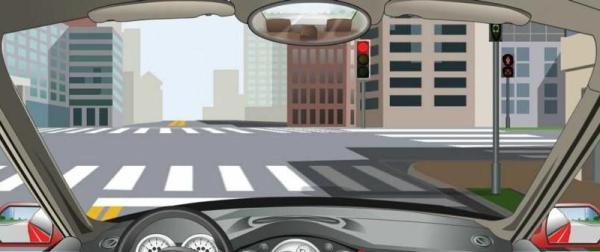
A. Right
B. Wrong
Answer: A
2. Reducing the speed to yield when encountering this situation in the intersection.
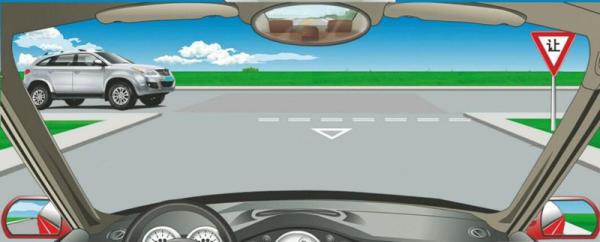
A. Right
B. Wrong
Answer: A
3. What kind of marking is the yellow broken line in the center of the road?
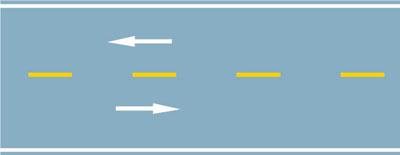
A. indicative marking
B. prohibitive marking
C. warning sign
D. auxiliary marking
Answer: A
4. When the vehicles cross each other at night, the driver may continuous change lights to remind the vehicle coming in the opposite direction and at the same should reduce speed and go forward or stop on the right side.
A. Right
B. Wrong
Answer: A
5. When driving a vehicle through an inundated road with pedestrians on both sides, the driver should ________.
A. Speed up and pass
B. Go forward normally
C. Continuously honk
D. Reduce speed and go slowly
Answer: D
6. When the green light at a congested intersection is on, the vehicles _______.
A. May directly enter the intersection
B. Cannot enter the intersection
C. May pass the intersection by borrowing the opposite lane
D. Enter the intersection if it is safe to do so
Answer: B
7. If a motorized vehicle driver has caused a major accident in violation of the traffic regulations which has caused heavy loss to public or private property, the driver is subject to a prison term of less than 3 years or a criminal detention.
A. Right
B. Wrong
Answer: A
8. When encountering a vehicle coming in the opposite direction on a mountain road, the driver should ______ when crossing each other.
A. Not reduce speed
B. Stick to the center of the road
C. Speed up
D. Reduce speed or stop to yield
Answer: D
9. When a vehicle has increased its speed to more than 60 kilometers per hour on the ramp of an expressway, it may directly enter the carriageway.
A. Right
B. Wrong
Answer: B
10. This sign indicates jammed section ahead and passing slowly.
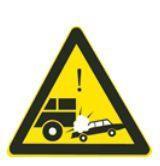
A. Right
B. Wrong
Answer: B
11. Whats the meaning of this park marking?
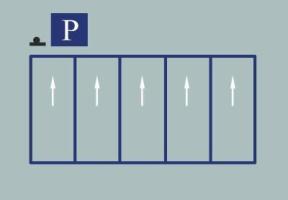
A. special stopping and waiting area
B. special getting-on and getting-off area
C. time limit parking
D. fixed direction parking
Answer: D
12. When changing lanes on an expressway, the driver should turn on the turn signal in advance, observe the traffic conditions, and slowly turn the steering wheel and enter the new lane after making sure it is safe to do so.
A. Right
B. Wrong
Answer: A
13. It lights when turning on the left-turn signal.

A. Right
B. Wrong
Answer: B
14. What is this manipulation device?
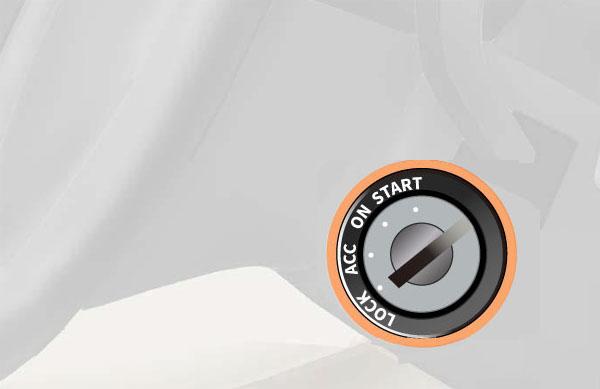
A. air conditioner switch
B. ignition switch
C. wiper switch
D. light switch
Answer: B
15. You may speed up to go through the intersection in this case.Answer£o
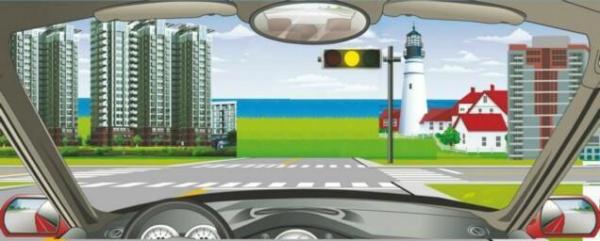
A. Right
B. Wrong
Answer: B
16. You can not drive a motorized vehicle into the lane where the red X-shaped light or the red arrow light is on.
A. Right
B. Wrong
Answer: A
17. From which side to overtake?

A. both sides
B. right side
C. left side
D. the side with no obstacle
Answer: C
18. This sign warns the driver to run slowly with care and beware of the vehicles from horizontal road.
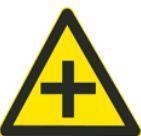
A. Right
B. Wrong
Answer: A
19. According to rules on the road traffic safety, the maximum speed on the expressway is less than 120km/hr, thus, it will not be in violation of the traffic regulations as long as the speed does not exceed 120km/hr on the expressway.
A. Right
B. Wrong
Answer: B
20. The cycle for recording the accumulated penalty points for violating road traffic safety regulations is ____________.
A. 12 months
B. 24 months
C. 3 months
D. 6 months
Answer: A