

1. When a vehicle running at night encounters a curve ahead, its lighting ____.
A. Leave the road surface
B. Moves from the center of the road to the roadside
C. Does not change its distance
D. Become lower
Answer: B
2. When overtaking, the driver should ________ if the vehicle in front refuses to reduce speed or yield.
A. Follow closely and find chance to overtake again
B. Stop overtaking
C. Speed up and continue to overtake
D. Continuously honk and speed up to overtake
Answer: B
3. A driver should stop on the expressway at once to have a rest when he feel tired.
A. Right
B. Wrong
Answer: B
4. When changing lanes on an expressway, the driver should turn on the turn signal in advance, observe the traffic conditions, and slowly turn the steering wheel and enter the new lane after making sure it is safe to do so.
A. Right
B. Wrong
Answer: A
5. Whats the meaning of this sign?
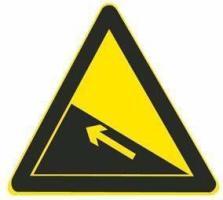
A. steep downhill road
B. continuous up slopes
C. steep uphill road
D. embankment road
Answer: C
6. How to use lights when overtaking at night?
A. turn off the high beam light
B. turn on high beam lights
C. use fog lights
D. using the high and low beam lights alternately
Answer: D
7. A person who has taken the state-controlled psychiatric substances can drive motorized vehicle in short distance.
A. Right
B. Wrong
Answer: B
8. A motorized vehicle can make a U turn on this road as long as it does not interfere other vehicles.
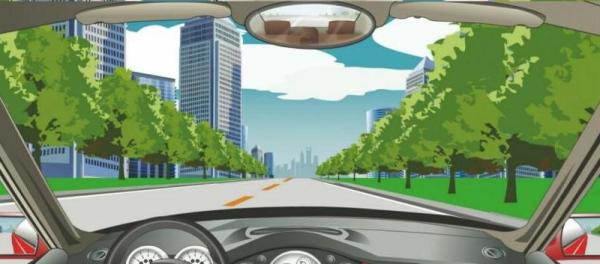
A. Right
B. Wrong
Answer: A
9. When a motorized vehicle returns to the original lane after overtaking, the driver should turn on the right-turn signal.
A. Right
B. Wrong
Answer: A
10. After a tire blows out and before the driver can control the speed of the vehicle, he should refrain from using the foot brake to stop the vehicle. Otherwise, a horizontal swing of the vehicle can cause greater danger.
A. Right
B. Wrong
Answer: A
11. Whats the meaning of this sign?

A. a manned level crossing 50m ahead
B. an unmanned level crossing 100m ahead
C. a manned level crossing 100m ahead
D. an unmanned level crossing 50m ahead
Answer: B
12. Whats the meaning of this sign?
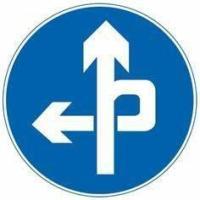
A. going straight and turning left at an interchange
B. going straight and turning right at an interchange
C. going straight and turning left
D. going straight and turning right
Answer: A
13. Driving a small passenger vehicle at 100km/hr on the expressway, the minimum distance from the vehicle in front is _____ .
A. not less than 20 meters
B. not less than 10 meters
C. not less than 50 meters
D. not less than 30 meters
Answer: C
14. When a motorized vehicle runs on an expressway, it ________.
A. May stop on the road shoulder to let passengers on and off
B. May stop in the emergency lane to load and unload cargos
C. May overtake or stop in the acceleration or deceleration lane
D. Is not allowed to drive or stop in the emergency lane in a non-emergency case
Answer: D
15. This set of the hand signals of the traffic police indicates that the vehicles should ___ .
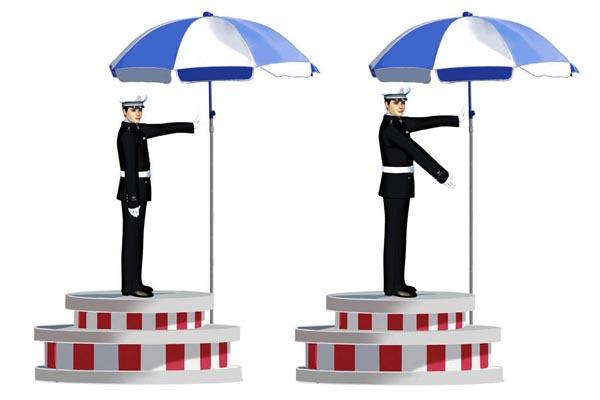
A. wait to turn left
B. pull over
C. turn right
D. reduce speed and pass slowly
Answer: C
16. In which section when a vehicle runs is prohibited from overtaking.
A. elevated road
B. intersection
C. central streets
D. ring express
Answer: B
17. Using the low beam light in such circumstances.
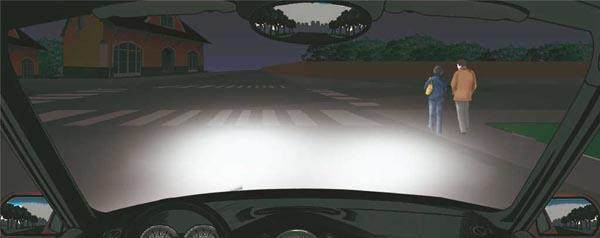
A. Right
B. Wrong
Answer: A
18. Driving a motorized vehicle shall not overtake in tunnels, steep slopes and other special sections.
A. Right
B. Wrong
Answer: A
19. What is the Minimum speed in this lane?
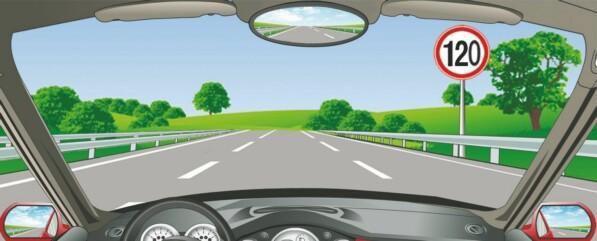
A. 100km/hr
B. 110km/hr
C. 60km/hr
D. 90km/hr
Answer: D
20. The main impact of the road conditions in icy and snowy weather is ______.
A. The electric equipment can easily get wet and cause short circuit
B. The visibility is lower and the field of vision is blurred
C. The resistance to the vehicle increases
D. Poor braking performance and Side pulling
Answer: D