

1. A vehicle may stop on the ramp of an expressway.
A. Right
B. Wrong
Answer: B
2. When overtaking, the driver should try his best to increase the horizontal distance and,when necessary, may cross the solid line to overtake.
A. Right
B. Wrong
Answer: B
3. How to do first when encountering such kind of bridge?
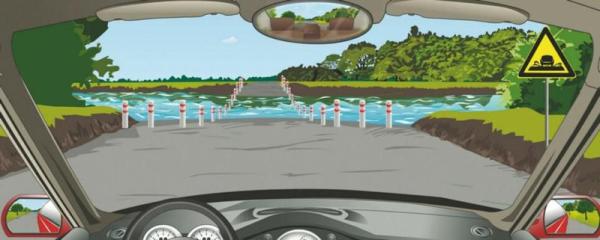
A. maintain the speed and pass
B. speed up and pass as soon as possible
C. stop and observe
D. pass slowly
Answer: C
4. What kind of violation does this stopping car have?
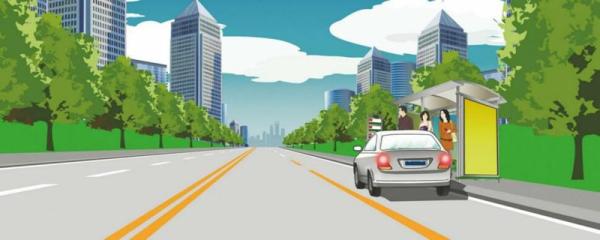
A. stop occupying the lane for non-motorized vehicles
B. stop in the section with no stopping marking
C. stop at bus station
D. stop occupying sidewalk
Answer: C
5. What is the time limit of deferred license checking due to military service, abroad and other reasons?
A. 3 years
B. 5 years
C. 1 years
D. 2 years
Answer: A
6. Whats the meaning of this sign?
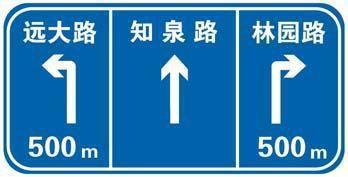
A. lane direction indication
B. intersection ahead
C. lane information indication
D. road branching point ahead
Answer: B
7. What pedal is it?

A. clutch pedal
B. brake pedal
C. handbrake
D. accelerator pedal
Answer: A
8. Move the switch up and down, the windscreen wipers start working.
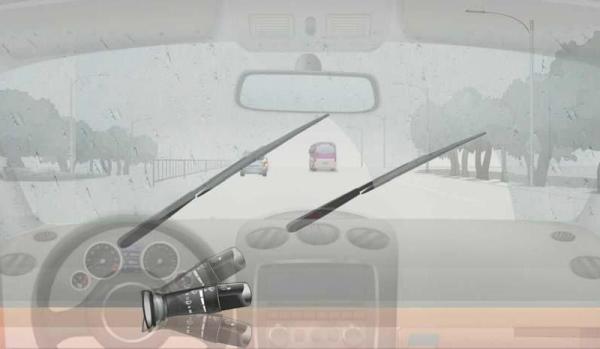
A. Right
B. Wrong
Answer: A
9. ABS system can keep the steering capability of the front wheels while providing maximum braking force when the vehicle conduct an emergency braking.
A. Right
B. Wrong
Answer: A
10. Whats the meaning of this sign?
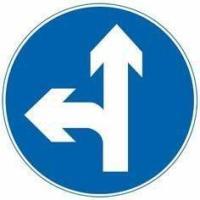
A. going straight and right turn
B. going straight and left turn
C. no going straight and no left turn
D. right turn and left turn only
Answer: B
11. Whats the meaning of this sign?
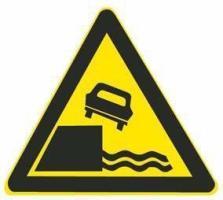
A. embankment road
B. cliffside road
C. waterside road
D. slippery road
Answer: A
12. Which of the following vehicle in front in the same lane is not allowed to be overtaken?
A. large bus or large truck
B. taxis
C. ambulance on duty
D. public bus
Answer: C
13. Motorized vehicles should pass the intersections according to the traffic signals.
A. Right
B. Wrong
Answer: A
14. When a vehicle follows another vehicle on a mountain road, it should ____.
A. Properly increase the safe distance
B. Closely follow the vehicle in front
C. Properly reduce the safe distance
D. Try to find a chance to overtake
Answer: A
15. The doors of both sides are not closed if it lights.

A. Right
B. Wrong
Answer: A
16. What device does the switch of this symbol control?

A. the windscreen defrosting
B. the rear window wiper
C. the rear window defrosting
D. the windscreen wiper
Answer: D
17. Whats the meaning of this sign?
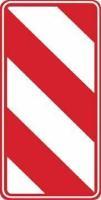
A. Passing on both sides
B. Passing by the right side
C. Passing by the left side
D. Passing is prohibited
Answer: B
18. If the vehicle has no license plate, label of inspection or label of insurance, preserve the scene and immediately report to the police.
A. Right
B. Wrong
Answer: A
19. How to do in this situation?

A. stop and yield to the pedestrians
B. bypass from the front of the pedestrians
C. honk to remind the pedestrians
D. bypass from the rear of the pedestrians
Answer: A
20. How to run when encountering this situation at the intersection?
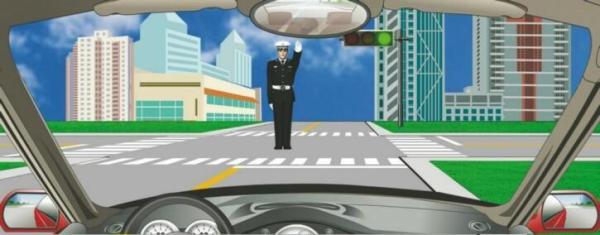
A. stop and wait
B. obey the traffic lights
C. run straight on the right side
D. may turn right
Answer: A