

1. A person whose driving license has been destroyed cannot drive a motorized vehicle.
A. Right
B. Wrong
Answer: A
2. This set of the hand signals of the traffic police indicates that the vehicles should ___ .

A. wait to turn left
B. pull over
C. turn right
D. reduce speed and pass slowly
Answer: C
3. Move the turn signal switch upward, the left-turn signal lights.
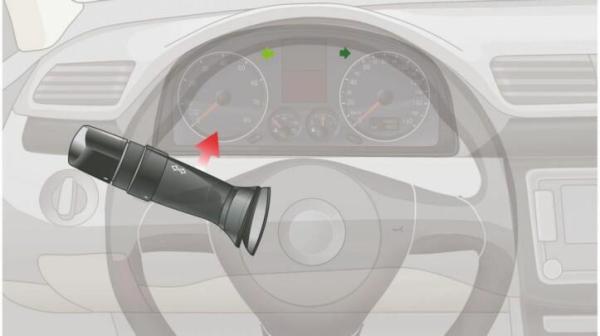
A. Right
B. Wrong
Answer: B
4. Whats the meaning of this sign?

A. Road traffic flow monitoring
B. Deceleration photographed area
C. Full section snapshot
D. Traffic monitoring equipment
Answer: D
5. Whats the meaning of the marking in the red circle?
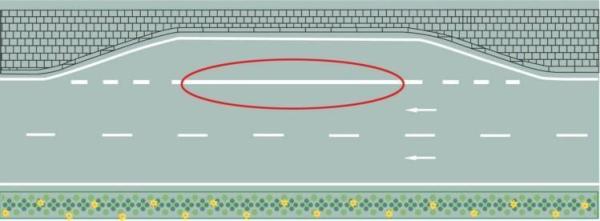
A. temporary stopping
B. bay-stopping
C. emergency stopping
D. public bus station
Answer: B
6. If a motorized vehicle driver chases and races while driving on road, commits serious acts, the driver is subject to a prison term of less than 3 years.
A. Right
B. Wrong
Answer: B
7. How to use lights when entering the speed-reducing lane?
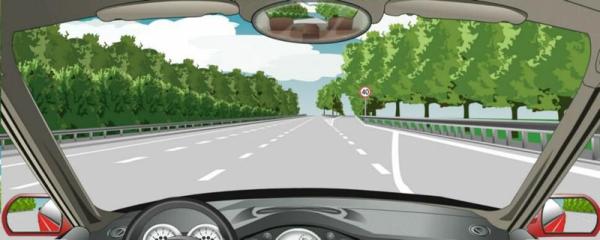
A. turn on the hazard lights
B. turn on the head light
C. turn on the left-turn signal
D. turn on the right-turn signal
Answer: D
8. How long is the period of probation after a motorized vehicle driver obtains his driving license for the first time or the permission to drive higher level vehicles.
A. 6 months
B. 12 months
C. 2 years
D. 3 months
Answer: B
9. It displays that oil in tank has less than the warning line

A. Right
B. Wrong
Answer: A
10. Whats the meaning of this sign?
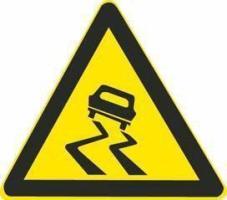
A. slippery section
B. sharp curve
C. test driving section
D. curve section
Answer: A
11. It lights if left door is not closed.

A. Right
B. Wrong
Answer: B
12. How to choose parking spot when needing to stop by the roadside?
A. stop in the opposite direction by the left roadside
B. stop in the parking area
C. stop anywhere as will by the roadside
D. stop in the sidewalk
Answer: B
13. You have the priviledged passing right of way in this situation.

A. Right
B. Wrong
Answer: A
14. Which of the following vehicle in front in the same lane is not allowed to be overtaken?
A. large bus or large truck
B. taxis
C. ambulance on duty
D. public bus
Answer: C
15. Whats the meaning of this sign?
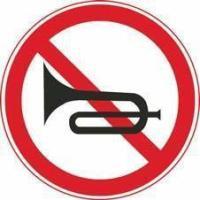
A. no long time honking
B. honk discontinuously
C. reduce speed and honk
D. no honking
Answer: D
16. How to pass through the unmanned level crossing without traffic lights?
A. properly reduce speed to pass
B. slide over in the neutral gear
C. stop to make sure it is safe, then pass
D. speed up and pass as fast as possible
Answer: C
17. Traffic Police only imposes a fine if a vehicle is suspected of using the falsified or altered label of inspection.
A. Right
B. Wrong
Answer: B
18. This sign indicates indoor car park here.
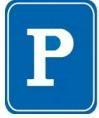
A. Right
B. Wrong
Answer: B
19. After a tire blows out and before the driver can control the speed of the vehicle, he should refrain from using the foot brake to stop the vehicle. Otherwise, a horizontal swing of the vehicle can cause greater danger.
A. Right
B. Wrong
Answer: A
20. How to do in this intersection?
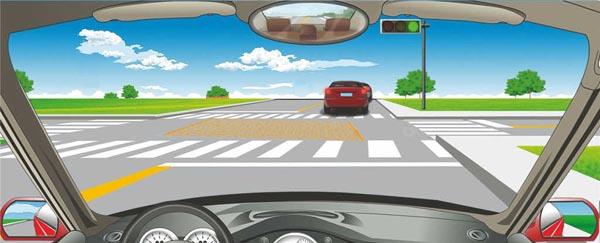
A. wait in the cross-hatched marking area
B. stop and wait outside the intersection
C. follow the vehicle in front and pass
D. wait inside the intersection
Answer: B