

1. When encountering stopping in turn or slow-moving vehicles in front at an intersection where lanes are reduced, the motorized vehicle should _________.
A. enter the intersection from road shoulder by the right side of the vehicle in front
B. enter the intersection from the side of interspace
C. pass alternately with one vehicle each lane to enter the intersection
D. change to left lane and cut in to enter the intersection
Answer: C
2. If a vehicle may encounter a vehicle coming in the opposite direction in the course of overtaking, the driver should speed up in advance and overtake.
A. Right
B. Wrong
Answer: B
3. Which is correct if a vehicle breaks down and is difficult to move?
A. turn on the hazard lights
B. turn on all the lights of the vehicle
C. forbid the passengers to get off
D. place a warning sign in front of the vehicle
Answer: A
4. What should the driver do when encountering a vehicle from the opposite direction on a road without a central line?
A. driving closely by the roadside
B. driving by the central of the road
C. reducing speed and driving by right side
D. run by using the lane for non-motorized vehicles
Answer: C
5. These signs warn the driver danger ahead and passing with care.
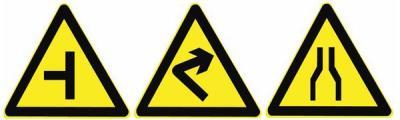
A. Right
B. Wrong
Answer: A
6. It lights if left door is not closed.

A. Right
B. Wrong
Answer: B
7. This set of the hand signals of the traffic police indicates that the vehicles should ____ .
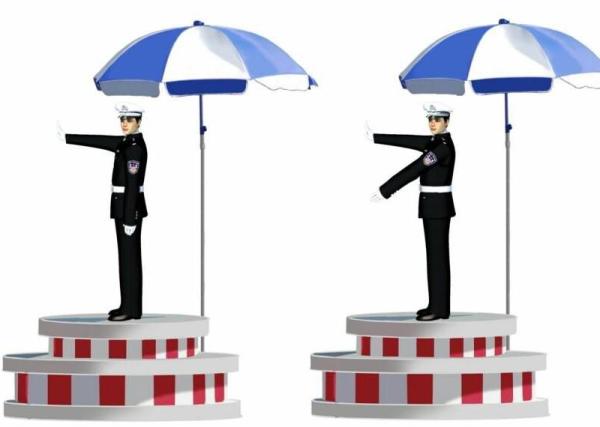
A. wait to turn left
B. pull over
C. turn left
D. turn right
Answer: C
8. Whats the meaning of this sign?
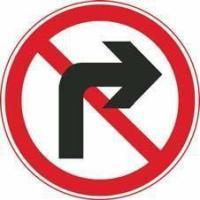
A. no entering the intersection
B. no right turn
C. no changing lane
D. no U turn
Answer: B
9. How often should a driver who is more than 60 years old present the certificate of physical conditions?
A. every 3 years
B. every 2 years
C. every 6 months
D. every 1 year
Answer: D
10. When encountering an ambulance rushing in the same lane in the opposite direction, the driver should ________.
A. Move to the road side, reduce speed or stop to yield
B. Drive on by using another lane
C. Speed up and change lane to avoid
D. Continue to go in the original lane
Answer: A
11. Whats the meaning of this sign?
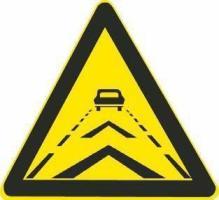
A. section narrows on both sides
B. section for speed test
C. section for ascertaining the distance between the vehicles
D. pay attentions to keeping distance
Answer: D
12. When a vehicle follows another vehicle on a mountain road, it should ____.
A. Properly increase the safe distance
B. Closely follow the vehicle in front
C. Properly reduce the safe distance
D. Try to find a chance to overtake
Answer: A
13. Whats the meaning of this sign?
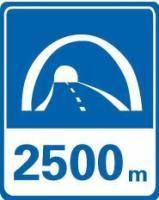
A. the distance from the tunnel exit
B. the distance from the tunnel entry
C. the distance of following the vehicle in front in the tunnel
D. the whole length of the tunnel
Answer: A
14. What is the max speed when in or out of the lane for non-motorized vehicles?
A. 40km/hr
B. 50km/hr
C. 60km/hr
D. 30km/hr
Answer: D
15. Whats the meaning of this sign?

A. special lane for large buses
B. special lane for multi-passenger vehicles
C. special lane for public buses
D. special lane for BRT vehicles
Answer: D
16. Stop the vehicle and observe when reaching the level crossing in this situation.
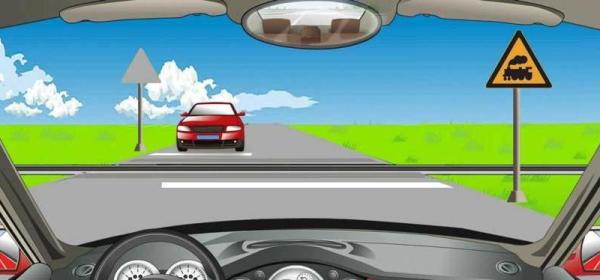
A. Right
B. Wrong
Answer: A
17. This small car can not stop here.
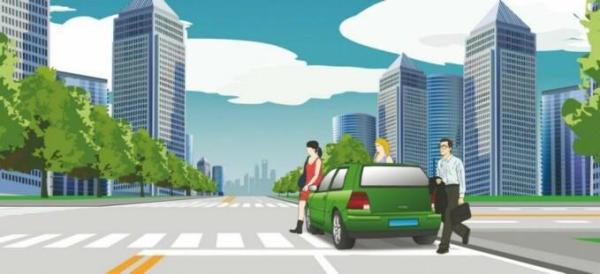
A. Right
B. Wrong
Answer: A
18. Whats the meaning of this sign?
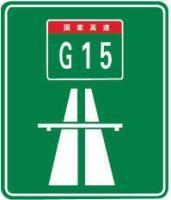
A. expressway exit
B. expressway beginning
C. expressway entry
D. expressway ending
Answer: B
19. How to use lights at night while crossing each other on narrow road or bridge?
A. turn off all the lights
B. turn on the low beam lights
C. turn off the head lights
D. turn on high beam lights
Answer: B
20. Whats the meaning of this sign?
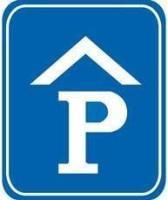
A. special car park
B. uncovered car park
C. indoor car park
D. internal car park
Answer: C