

1. How to do in this situation?

A. stop and yield to the pedestrians
B. bypass from the front of the pedestrians
C. honk to remind the pedestrians
D. bypass from the rear of the pedestrians
Answer: A
2. This set of the hand signals of the traffic police indicates that the vehicles should ___ .
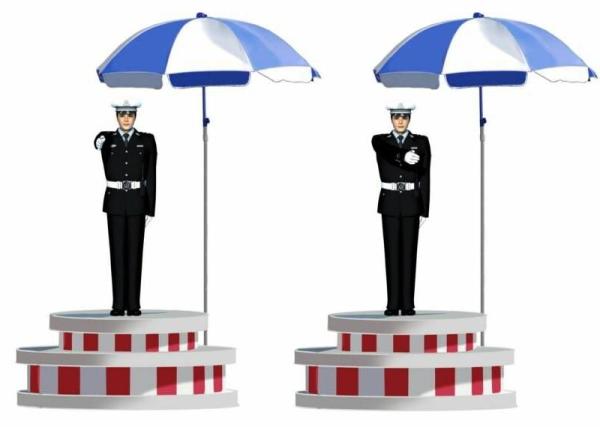
A. turn right
B. reduce speed and pass slowly
C. pull over
D. change lane
Answer: D
3. Driving a motorized vehicle on the road in this condition, the maximum speed can not exceed 50 kilometers per hour.
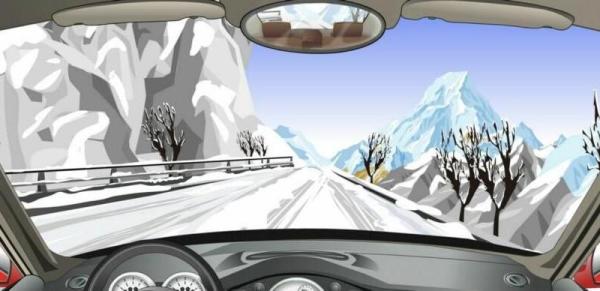
A. Right
B. Wrong
Answer: B
4. A driver may drive a motorized vehicle after the driving license has been lost within 3 months.
A. Right
B. Wrong
Answer: B
5. May throw items to the road while driving.
A. Right
B. Wrong
Answer: B
6. Whats the meaning of this sign?

A. Road traffic flow monitoring
B. Deceleration photographed area
C. Full section snapshot
D. Traffic monitoring equipment
Answer: D
7. Within the validity of the Admission Form, the times of test reservation for Driving Skills of subject 2 and subject 3 can not exceed ______
A. 3 times
B. 4 times
C. 5 times
D. 6 times
Answer: C
8. You can overtake from both sides in this case.
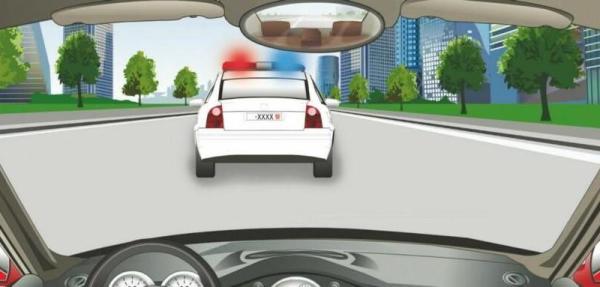
A. Right
B. Wrong
Answer: B
9. If the license plate of a motorized vehicle has been destroyed, the owner of the vehicle should apply for reissuing or changing to the vehicle management station at the registration place.
A. Right
B. Wrong
Answer: A
10. May directly turn left in front of the vehicle coming opposite when encountering this traffic light.
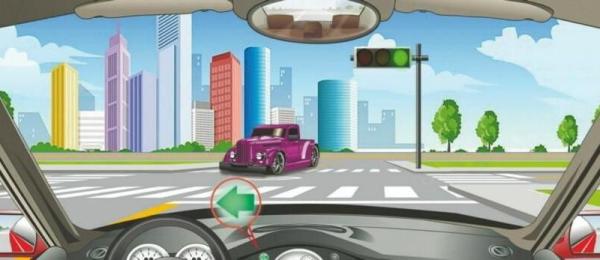
A. Right
B. Wrong
Answer: B
11. The vehicle is allowed to pass the intersection ahead when the green light on.
A. Right
B. Wrong
Answer: A
12. When driving on a road covered by ice and snow, the driver must reduce speed and increase the safe distance.
A. Right
B. Wrong
Answer: A
13. What is the max speed on this highway?
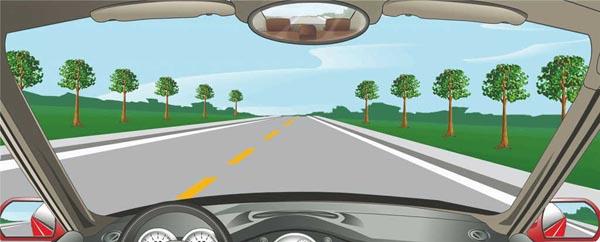
A. 30km/hr
B. 40km/hr
C. 50km/hr
D. 70km/hr
Answer: D
14. What should the driver do when encountering a vehicle from the opposite direction on a road without a central line?
A. driving closely by the roadside
B. driving by the central of the road
C. reducing speed and driving by right side
D. run by using the lane for non-motorized vehicles
Answer: C
15. Whats the meaning of this sign?

A. hump bridge
B. high outburst road
C. low-lying road
D. bump road
Answer: A
16. Continue to go through if having passed the stop line when encountering this traffic light at the intersection.
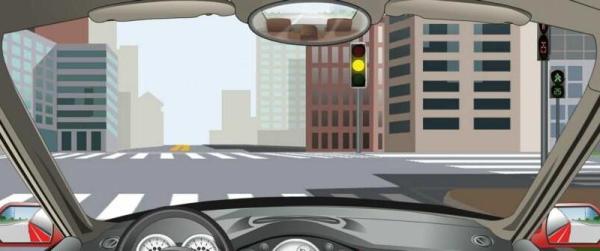
A. Right
B. Wrong
Answer: A
17. The main impact of mountain roads on safe driving is _______.
A. The traffic conditions are boring
B. The slopes are long, the curves are sharp and visibility range is shorter.
C. The traffic flow is heavy
D. The road signs are fewer
Answer: B
18. Driving a motorized vehicle shall not overtake in tunnels, steep slopes and other special sections.
A. Right
B. Wrong
Answer: A
19. What markings are the two double yellow broken lines on the road?
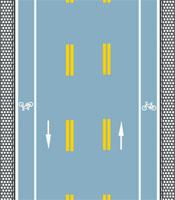
A. two-way lanes dividing line
B. variable lane line
C. lane-dividing line that can be crossed
D. one-way lanes dividing line
Answer: B
20. Traffic Signs and traffic markings are not traffic signals.
A. Right
B. Wrong
Answer: B