

1. When a vehicle follows another vehicle on a mountain road, it should ____.
A. Properly increase the safe distance
B. Closely follow the vehicle in front
C. Properly reduce the safe distance
D. Try to find a chance to overtake
Answer: A
2. Whats the meaning of this sign?
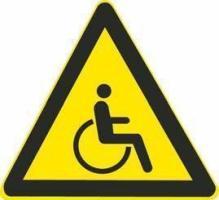
A. exit and entry for disabled people
B. watch for disabled people
C. rest area for disabled people
D. special passage for disabled people
Answer: B
3. When a motorized vehicle causes a minor traffic accident and obstructs traffic flow, it does not need to move.
A. Right
B. Wrong
Answer: B
4. Whats the meaning of this sign?

A. running by right side
B. no going straight
C. straight one-way road
D. yield if going to go straight
Answer: C
5. Whats the meaning of this sign?
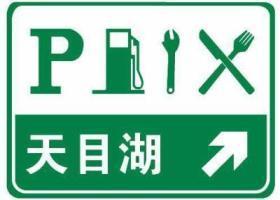
A. expressway bus station ahead
B. expressway shelter ahead
C. expressway service area ahead
D. expressway toll station ahead
Answer: C
6. It lights to indicate that ______

A. the hazard lights flash
B. right-turn signal flashes
C. left-turn signal flashes
D. front and rear width lights flash
Answer: A
7. What is this manipulation device?
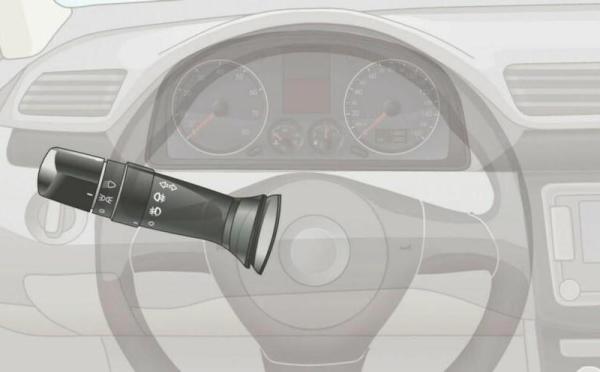
A. switch of reverse light
B. switch of wiper
C. switch of the hazard lights
D. combination switch of lights and signals
Answer: D
8. How to use lights in this weather condition?

A. use high beam lights
B. use fog lights
C. not use any light
D. turn on the right-turn signal
Answer: B
9. When seeing a watch for children sign while driving, the driver should _______.
A. Speed up and pass
B. Bypass
C. Maintain the normal speed
D. Carefully select a speed
Answer: D
10. The vehicles are prohibited from passing when encountering this traffic light at the intersection.
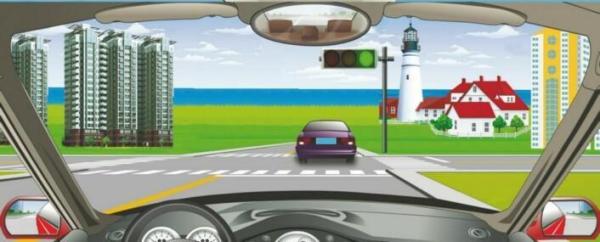
A. Right
B. Wrong
Answer: B
11. A motorized vehicle is not allowed to stop in the section 50 meters to the intersection.
A. Right
B. Wrong
Answer: A
12. What kind of violation does this car have while stopping temporarily by the roadside?
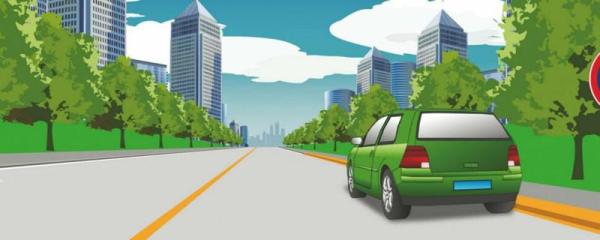
A. stop occupying the lane for motorized vehicles
B. stop more than 30cm from the roadside
C. stop in the section with no stopping marking
D. stop occupying the lane for non-motorized vehicles
Answer: C
13. A front tire blowout is very dangerous. The vehicle will immediately turn to the side where the tire is blown out and have a direct impact on the drivers control of the steering wheel.
A. Right
B. Wrong
Answer: A
14. Whats the meaning of this sign?
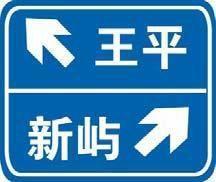
A. ring intersection ahead
B. intersection ahead
C. Y-shaped intersection ahead
D. T-shaped intersection ahead
Answer: C
15. What marking is the combination of the white broken lines and the triangle area?
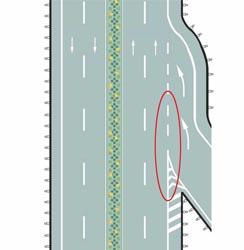
A. road entry marking
B. lane-dividing line that can be crossed
C. deceleration line at road entry
D. road exit marking
Answer: A
16. This set of the hand signals of the traffic police indicates that the vehicles should ____ .
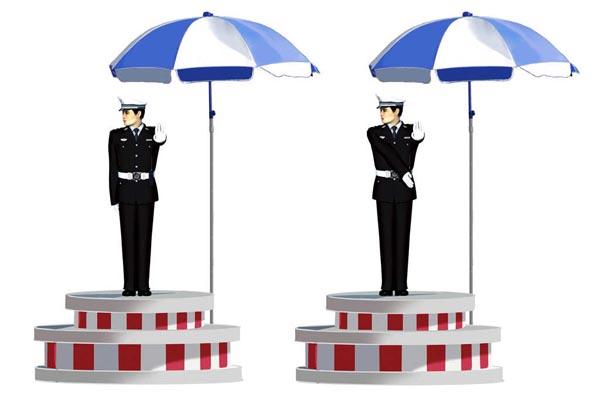
A. reduce speed and pass slowly
B. pull over
C. stop
D. turn right
Answer: D
17. This set of the hand signals of the traffic police indicates that the vehicles should ___ .
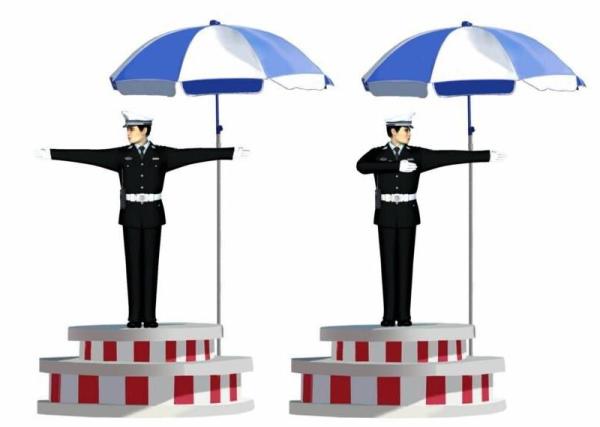
A. go straight
B. make a turn
C. stop
D. pull over
Answer: A
18. Whats the meaning of this sign?
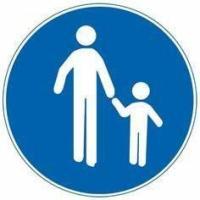
A. pass with low speed
B. watch for pedestrians
C. on foot
D. pedestrians go first
Answer: C
19. Whats the meaning of this sign?
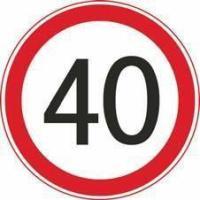
A. reducing speed 40m ahead
B. minimum speed is 40km/hr
C. axle weight limit is 40 tons
D. maximum speed limit is 40km/hr
Answer: D
20. The cycle for recording the accumulated penalty points for violating road traffic regulations is ____________.
A. 14 months
B. 12 months
C. 6 months
D. 10 months
Answer: B