

1. How to go straight when encountering this traffic light at the intersection?
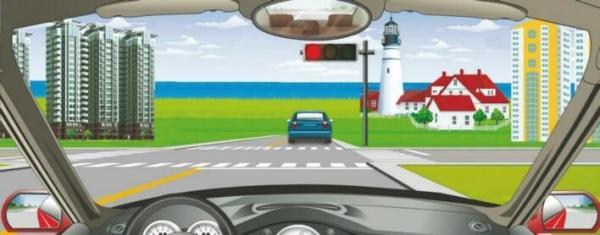
A. enter the intersection to wait
B. turn left
C. speed up and pass straight
D. can not exceed the stop line
Answer: D
2. Within how long should a driver whose information has changed apply for new license?
A. 30 days
B. 40 days
C. 50 days
D. 60 days
Answer: A
3. Whats the meaning of this park marking?
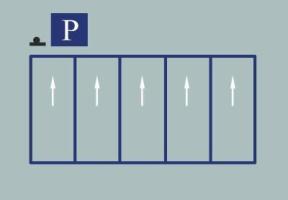
A. special stopping and waiting area
B. special getting-on and getting-off area
C. time limit parking
D. fixed direction parking
Answer: D
4. Whats the meaning of this sign?
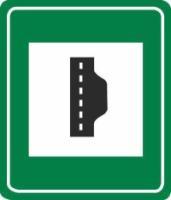
A. expressway emergency strip
B. expressway yielding area
C. expressway bus station
D. expressway parking area
Answer: A
5. Whats the meaning of this sign?
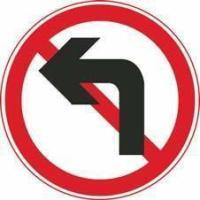
A. no U turn
B. no changing to left lane
C. no turning left
D. no entering the left lane
Answer: C
6. What is this instrument?
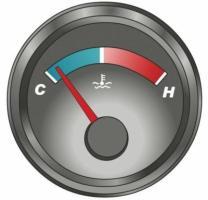
A. water temperature meter
B. fuel meter
C. ammeter
D. pressure meter
Answer: A
7. A rear tire blowout can sway the tail of the vehicle. The driver should firmly hold the steering wheel with both hands to ensure the vehicle go straight, reduce speed and then stop.
A. Right
B. Wrong
Answer: A
8. Whats the meaning of the white markings on the road?
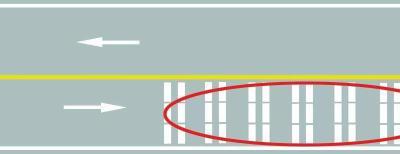
A. road construction marking
B. horizontal deceleration marking
C. vertical deceleration marking
D. fewer lanes indication marking
Answer: B
9. What device does the switch of this symbol control?

A. the windscreen defrosting or defogging
B. the rear window wiper and washer
C. the windscreen wiper and washer
D. the rear window defrosting or defogging
Answer: C
10. When a motorized vehicle encounters the cut in by another vehicle in a roundabout, the driver may not evade as long as he has the right of way.
A. Right
B. Wrong
Answer: B
11. This set of the hand signals of the traffic police indicates that the vehicles should ___ .
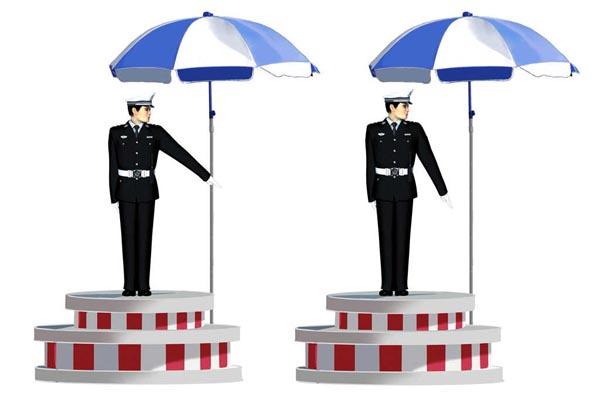
A. turn left
B. wait to turn left
C. reduce speed and pass slowly
D. turn right
Answer: B
12. What kind of violation does this car have while stopping temporarily by the roadside?
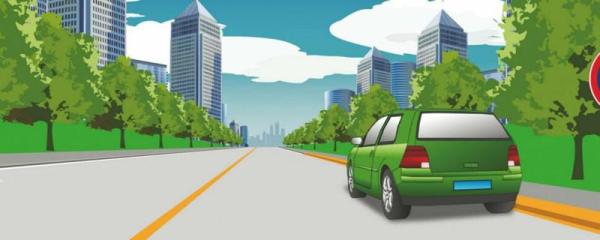
A. stop occupying the lane for motorized vehicles
B. stop more than 30cm from the roadside
C. stop in the section with no stopping marking
D. stop occupying the lane for non-motorized vehicles
Answer: C
13. Whats the meaning of the yellow slash filled area in the middle of the road?
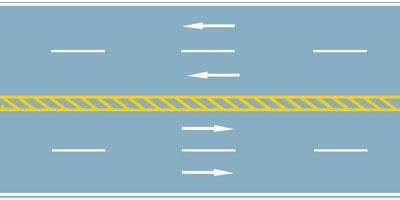
A. one-way lanes dividing line
B. opposite direction lanes dividing line that can not be crossed
C. bilateral same direction lanes dividing line that can be crossed
D. opposite direction lanes dividing line that can be crossed
Answer: B
14. Whats the meaning of this sign?
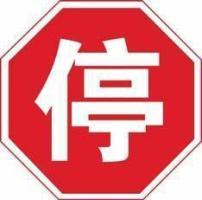
A. stop to yield
B. no stopping temporarily
C. no entry
D. no long stopping
Answer: A
15. The driving license of 10-year validity will be issued if the penalty points never reached 12 points in every scoring cycle during the 6-year validity of the license.
A. Right
B. Wrong
Answer: A
16. Whats the meaning of this sign?
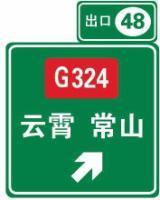
A. expressway right exit ahead
B. expressway destination indication
C. expressway left exit ahead
D. expressway next exit ahead
Answer: A
17. Whats the meaning of this sign?
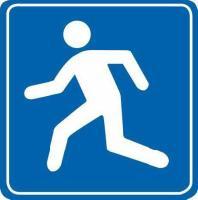
A. emergency shelter
B. service area
C. pedestrian passage
D. crossing road facility
Answer: A
18. It displays that the current temperature of the coolant is 90 degrees.
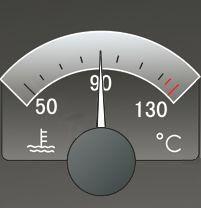
A. Right
B. Wrong
Answer: A
19. Whats the meaning of this sign?
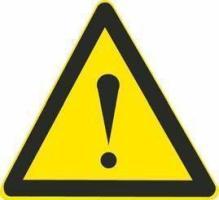
A. reduce speed and go slowly
B. watch for danger
C. jammed section
D. accident-prone section
Answer: B
20. When passing an intersection without traffic lights, the driver should go through as fast as possible.
A. Right
B. Wrong
Answer: B