

1. Whats the meaning of this sign?
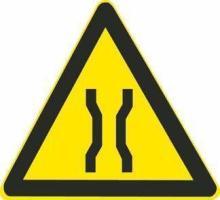
A. road narrows on the left side
B. narrow bridge
C. narrow road
D. road narrows on the right side
Answer: B
2. What is the max speed on this highway?

A. 70km/hr
B. 50km/hr
C. 40km/hr
D. 30km/hr
Answer: C
3. How to run on this road?
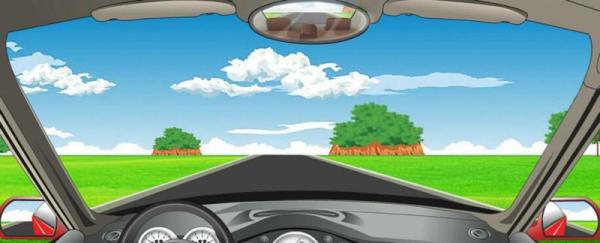
A. run in the middle of the road
B. run on both side of the road
C. run according to lanes
D. go forward at will
Answer: A
4. Whats the meaning of this sign?

A. stop to yield
B. one-way road
C. going first when crossing each other
D. the opposite vehicle goes first when crossing each other
Answer: C
5. Whats the meaning of this sign?
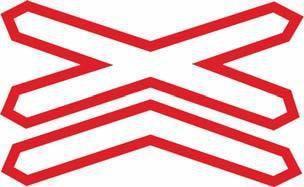
A. a manned level crossing
B. an unmanned level crossing
C. multi-crossing of railway and road
D. yielding the train with care
Answer: C
6. What is the minimum speed in this lane?
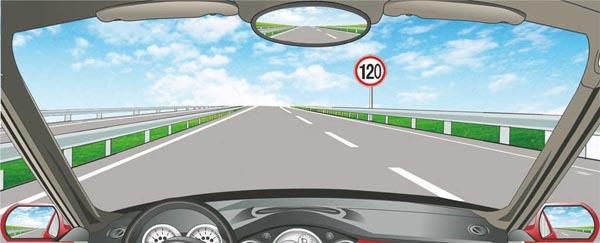
A. 60km/hr
B. 90km/hr
C. 100km/hr
D. 110km/hr
Answer: C
7. How to drive in this section?
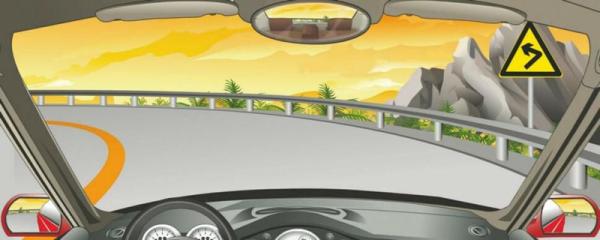
A. occupy the road of the other side to pass the curve
B. drive along the middle of the curve
C. speed up and honk to pass
D. reduce speed and honk
Answer: D
8. When the traffic conditions at an intersection are complicated, the driver should be patiently waiting instead of taking chance.
A. Right
B. Wrong
Answer: A
9. How long is the period of probation after a motorized vehicle driver obtains his driving license for the first time or the permission to drive higher level vehicles.
A. 6 months
B. 12 months
C. 2 years
D. 3 months
Answer: B
10. Whats the meaning of this sign?
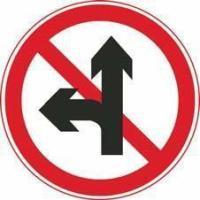
A. no going straight and no changing to left lane
B. no going straight and no left turn
C. allowed to go straight and turn left
D. no going straight and no right turn
Answer: B
11. Whats the meaning of this sign?
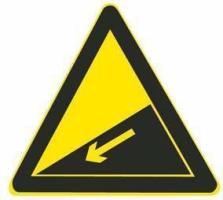
A. embankment road
B. steep uphill road
C. continuous up slopes
D. steep downhill road
Answer: D
12. This set of the hand signals of the traffic police indicates that the vehicles should ____ .
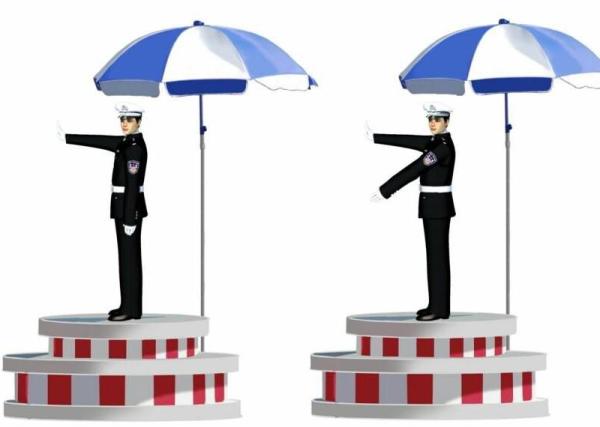
A. wait to turn left
B. pull over
C. turn left
D. turn right
Answer: C
13. This set of the hand signals of the traffic police indicates that the vehicles should ___ .
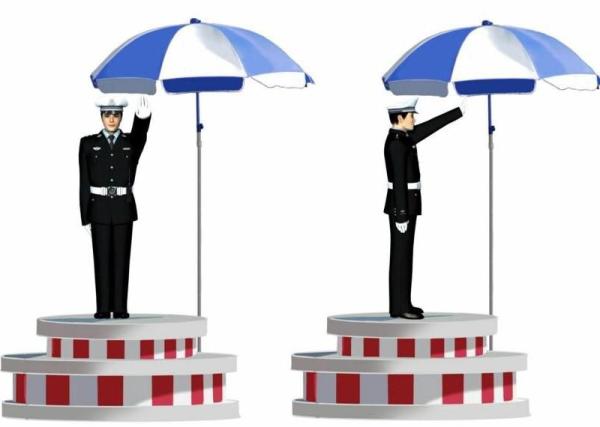
A. turn right
B. pull over
C. turn left
D. stop
Answer: D
14. This sign reminds bump road ahead which may causes bump phenomenon.
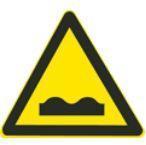
A. Right
B. Wrong
Answer: A
15. If a motorized vehicle hits a building or a public facility, the vehicle may leave the scene right away.
A. Right
B. Wrong
Answer: B
16. Whats the meaning of this guide arrow?
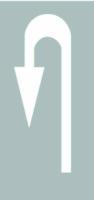
A. change to left lane
B. going straight ahead
C. U turn ahead
D. right turn ahead
Answer: C
17. Turn on the right-turn signal and return immediately to the original lane afterovertaking.
A. Right
B. Wrong
Answer: B
18. Whats the meaning of the yellow marking on the road?
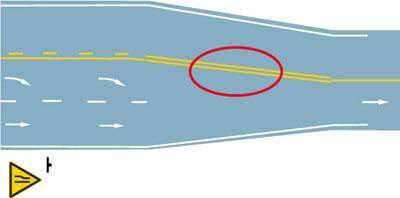
A. gradual road width
B. more carriageways
C. closing to obstacle
D. construction section indication
Answer: A
19. It lights to indicate that luggage compartment is open.

A. Right
B. Wrong
Answer: B
20. This sign reminds the lane or the road narrows on the left side ahead.
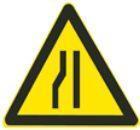
A. Right
B. Wrong
Answer: A