

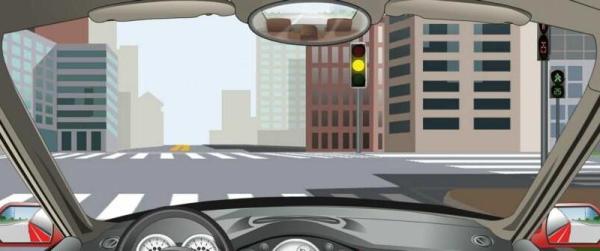
1. Continue to go through if having passed the stop line when encountering this traffic light at the intersection.
A. Right
B. Wrong
Answer: A
2. Driving a small passenger vehicle on the expressway, the minimum speed should not be less than 90 kilometers per hour.
A. Right
B. Wrong
Answer: B
3. The three principles for careful driving are concentration, careful observation and early prevention.
A. Right
B. Wrong
Answer: A
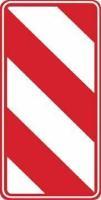
4. Whats the meaning of this sign?
A. Passing on both sides
B. Passing by the right side
C. Passing by the left side
D. Passing is prohibited
Answer: B
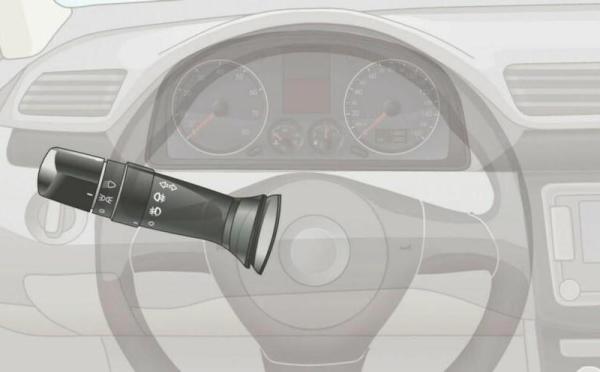
5. What is this manipulation device?
A. switch of reverse light
B. switch of wiper
C. switch of the hazard lights
D. combination switch of lights and signals
Answer: D
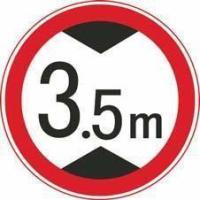
6. Whats the meaning of this sign?
A. 3.5m width limit
B. 3.5m width limit ban is lifted
C. 3.5m distance from vehicles limit
D. 3.5m height limit
Answer: D
7. Whats the meaning of this sign?
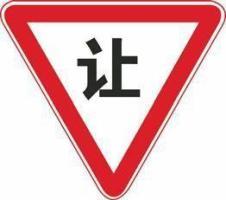
A. no yielding
B. yield while crossing each other
C. reduce speed and yield
D. stop to yield
Answer: C
8. When encountering a traffic accident ahead and help is needed while driving, the driver should ________.
A. Bypass to dodge it as much as possible
B. Immediately report to the police, stop and look on.
C. Help to preserve the scene and immediately report to the police
D. Speed up and pass to ignore it
Answer: C
9. It lights to indicate that ______

A. the hazard lights flash
B. right-turn signal flashes
C. left-turn signal flashes
D. front and rear width lights flash
Answer: A
10. Which kind of vehicle can be applied for when initially applying for the driving license?
A. midsize bus
B. large bus
C. ordinary motor tricycle
D. trailer
Answer: C
11. It lights when turning on the right-turn signal.

A. Right
B. Wrong
Answer: B
12. In which situation that a driver cannot drive?
A. after drinking coffee
B. after drinking milk
C. after drinking
D. after drinking tea
Answer: C
13. What kind of device the safety bags are?
A. ABS system
B. electronic brake force distribution system
C. assisted occupants protection system
D. drivers head and neck protection system
Answer: C
14. How to do while entering this intersection?

A. shift the high and low beam lights alternately to remind the cars already in the intersection to yield
B. quickly cut in the cars already in the intersection
C. let the cars already in the intersection go first
D. honk and enter directly
Answer: C
15. When a vehicle merges with the traffic flow, the driver should turn on the turn signal in advance, go straight, observe the traffic conditions on both sides through the rear-view mirror, and merge with the traffic flow if it is safe to do so.
A. Right
B. Wrong
Answer: A
16. Whats the meaning of this sign?
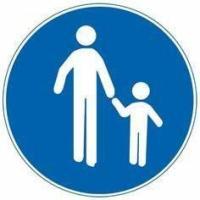
A. pass with low speed
B. watch for pedestrians
C. on foot
D. pedestrians go first
Answer: C
17. Whats the meaning of this sign?
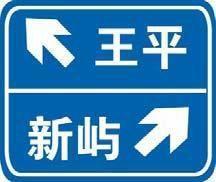
A. ring intersection ahead
B. intersection ahead
C. Y-shaped intersection ahead
D. T-shaped intersection ahead
Answer: C
18. Whats the meaning of this sign?
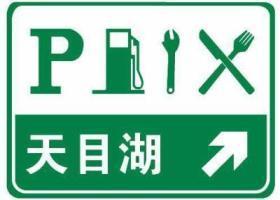
A. expressway bus station ahead
B. expressway shelter ahead
C. expressway service area ahead
D. expressway toll station ahead
Answer: C
19. Overtaking is allowed when passing a level crossing in city where no train passes.
A. Right
B. Wrong
Answer: B
20. When a vehicle approaches a crosswalk, the driver should ________.
A. Speed up and pass
B. Stop immediately
C. Honk to indicate the pedestrians to yield
D. Observe the movement of pedestrians and non-motorized vehicles, make sure it is safe before passing
Answer: D