

1. How long can a driver drives without rest?
A. less than 6hrs
B. less than 8hrs
C. less than 10hrs
D. less than 4hrs
Answer: D
2. Whats the meaning of the yellow marking on the road?
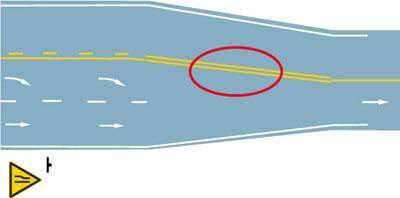
A. gradual road width
B. more carriageways
C. closing to obstacle
D. construction section indication
Answer: A
3. Going though the intersection according to the traffic lights when traffic lights and command of the traffic police are inconsistency.
A. Right
B. Wrong
Answer: B
4. Whats the meaning of this sign?
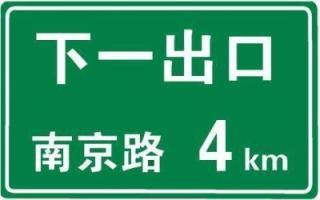
A. expressway left exit ahead
B. expressway destination ahead
C. expressway right exit ahead
D. expressway next exit ahead
Answer: D
5. Whats the meaning of this sign?

A. tunnel entry
B. observatory
C. mind side wind
D. wind vane
Answer: C
6. This sign reminds the lane or the road narrows on the right side ahead.
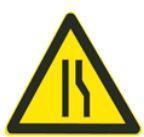
A. Right
B. Wrong
Answer: A
7. This set of the hand signals of the traffic police indicates that the vehicles should ____ .
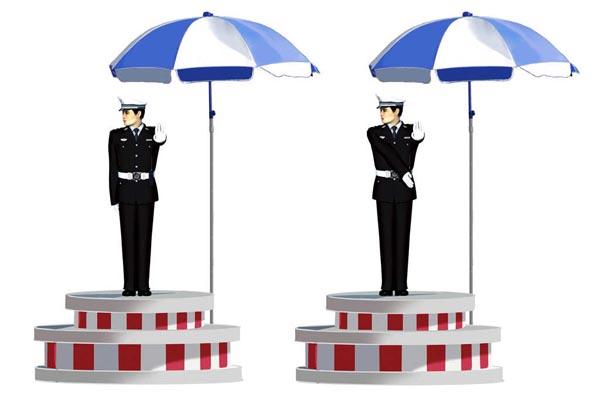
A. reduce speed and pass slowly
B. pull over
C. stop
D. turn right
Answer: D
8. If the accumulated penalty points of a motorized vehicle driver reach 12 points and the driver refuses to participate in the study course and also refuses to take tests, it should be publicly announced that his driving license should no longer be used.
A. Right
B. Wrong
Answer: A
9. May not drive if _____
A. the window is not closed
B. the door is not closed
C. the audio device is not closed
D. the roof window is not closed
Answer: B
10. What is this manipulation device?
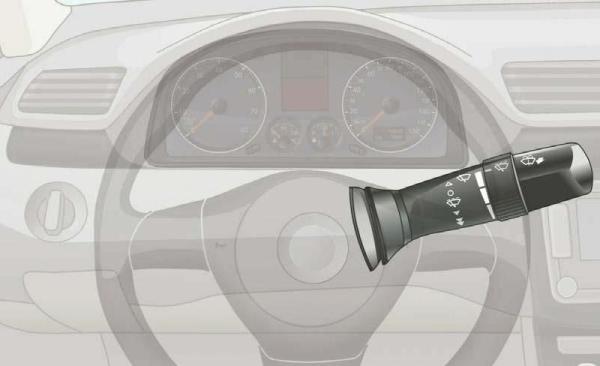
A. switch of windscreen wiper
B. switch of the head lights
C. switch of the turn signal
D. switch of defogger
Answer: A
11. Whats the meaning of this sign?
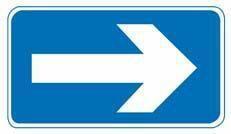
A. left one-way road
B. right one-way road
C. straight one-way road
D. yield if going to turn right
Answer: B
12. When driving, the driver should be courteous and defensive, instead of being offensive.
A. Right
B. Wrong
Answer: A
13. Whats the meaning of this sign?
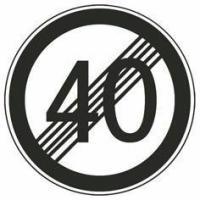
A. driving at reduced speed in the section of 40 meters
B. minimum speed is 40km/hr
C. maximum speed is 40km/hr
D. 40km/hr speed limit ban is lifted
Answer: D
14. If the drivers accumulated penalty points reach the stipulated limit, he will be _______ by the traffic control department of the public security organ.
A. detained for less than 15 days
B. banned for lifetime from driving
C. educated on the law and regulations and take the exam again
D. held for criminal liabilities according to law
Answer: C
15. Whats the meaning of this sign?
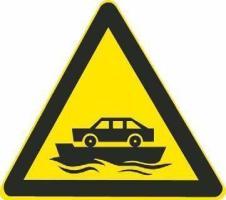
A. overflowing bridge
B. ferry
C. pier
D. overflowing road
Answer: B
16. A motorized vehicle driver who uses falsified or altered driving license is subject to a 12-point penalty.
A. Right
B. Wrong
Answer: A
17. If the license plate of a motorized vehicle has been destroyed, the owner of the vehicle should apply for reissuing or changing to the vehicle management station at the registration place.
A. Right
B. Wrong
Answer: A
18. It flashes when turning on the hazard lights.

A. Right
B. Wrong
Answer: A
19. It lights to remind that the driver??s seat is not adjusted properly.

A. Right
B. Wrong
Answer: B
20. If a motorized vehicle driver escapes after causing a major traffic accident which has caused human death, the driver is subject to a prison term of ________.
A. more than 7 years
B. less than 3 years
C. 3 ~ 7 years
D. more than 10 years
Answer: C