

1. When passing a section of a mountain road which is prone to landside and mudflow, the driver should not stop.
A. Right
B. Wrong
Answer: A
2. When a vehicle changes lane, the driver should turn on the turn signal and rapidly enter the new lane.
A. Right
B. Wrong
Answer: B
3. The main impact of the road conditions in icy and snowy weather is ______.
A. The electric equipment can easily get wet and cause short circuit
B. The visibility is lower and the field of vision is blurred
C. The resistance to the vehicle increases
D. Poor braking performance and Side pulling
Answer: D
4. When a motorized vehicle breaks down on the expressway, the driver should place a warning sign 50 meters ~ 100 meters in the coming direction.
A. Right
B. Wrong
Answer: B
5. When encountering a vehicle in the opposite direction forcing its way by using his lane, the driver should __________.
A. Force the other side to drive by the right side
B. Use the high beam light to warn the other side
C. Voluntarily yield to the other side
D. Go ahead by the center of the road
Answer: C
6. Whats the meaning of this sign?
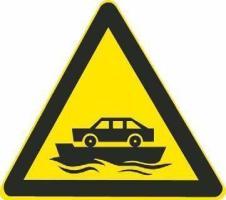
A. overflowing bridge
B. ferry
C. pier
D. overflowing road
Answer: B
7. When a traffic accident causing human injuries, preserve the scene and immediately report to the police.
A. Right
B. Wrong
Answer: A
8. Stop and yield to the pedestrians under this situation.
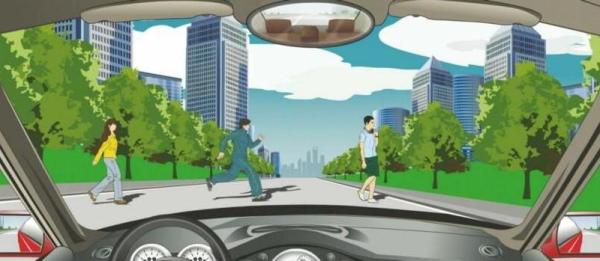
A. Right
B. Wrong
Answer: A
9. Whats the meaning of this sign?

A. turn left
B. no going straight
C. straight-going lane
D. one-way road
Answer: A
10. Which kind of vehicles are allowed to run in the lane with this marking on road?

A. public transport vehicles
B. private vehicles
C. taxis
D. official vehicles
Answer: A
11. What pedal is it?
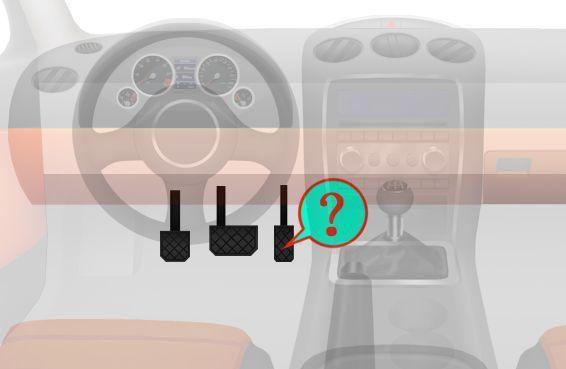
A. accelerator pedal
B. clutch pedal
C. handbrake
D. the brake pedal
Answer: A
12. The reason that a road destroyed by flood affects safe driving and smooth passage is __.
A. The road grip becomes stronger
B. It is impossible to see the hidden holes and bumps in road surface
C. The visibility become lower and blurs the field of vision
D. The sunshine reflection blurs the view
Answer: B
13. Whats the meaning of this sign?
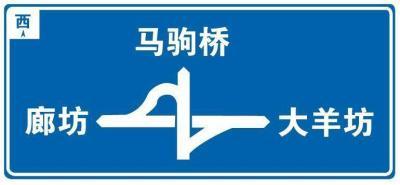
A. intersection ahead
B. interchange ahead
C. Y-shaped intersection ahead
D. ring intersection ahead
Answer: B
14. Honking in a foggy day can arouse the attention of the opposite side. After hearing the honking from the opposite side, the driver should also honk to respond.
A. Right
B. Wrong
Answer: A
15. Whats the meaning of this sign?
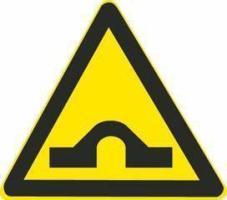
A. hump bridge
B. high outburst road
C. low-lying road
D. bump road
Answer: A
16. What is this manipulation device?
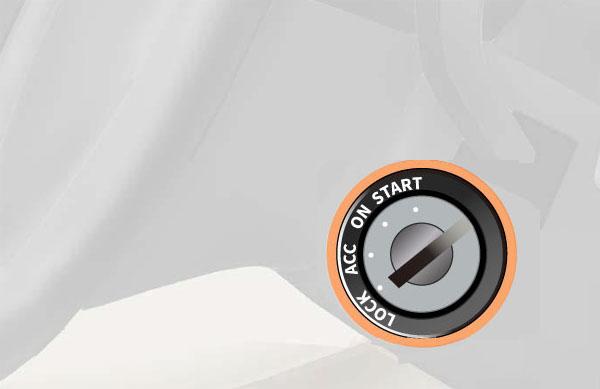
A. air conditioner switch
B. ignition switch
C. wiper switch
D. light switch
Answer: B
17. When encountering non-motorized vehicles cutting in on the road, the driver should ___.
A. Honk to warn
B. Speed up and pass
C. Reduce speed and yield
D. Suddenly speed up when approaching
Answer: C
18. The police can detain the vehicle if one drives a vehicle without ______
A. vehicle license
B. qualification certificate
C. ID card
D. pass paper
Answer: A
19. A motorized vehicle driver who uses falsified and altered license plate is subject to a ________.
A. 2-point penalty
B. 3-point penalty
C. 12-point penalty
D. 6-point penalty
Answer: C
20. This sign reminds the lane for non-motorized vehicles ahead.
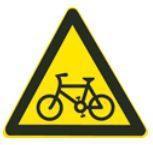
A. Right
B. Wrong
Answer: B