

1. Whats the meaning of this guide arrow?

A. left curve or need to merge with the left flow ahead
B. right curve or need to merge with the right flow ahead
C. merge with the left flow due to right side obstacle ahead
D. left curve or need to bypass from left side ahead
Answer: A
2. What is this instrument?
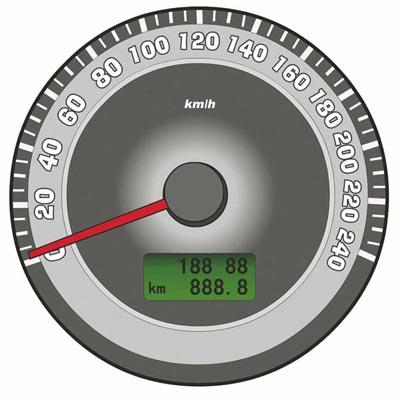
A. speed and mileage meter
B. engine tachometer
C. top speed meter
D. fuel consumption / 100 km
Answer: A
3. Whats the meaning of this sign?
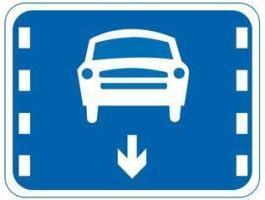
A. lane for small vehicles
B. special lane for small vehicles
C. special lane for multi-passenger vehicles
D. lane for motorized vehicles
Answer: D
4. If the driver finds there is no vehicle following, he can change lanes without turning on the turn signal.
A. Right
B. Wrong
Answer: B
5. This sign indicates running slowly or stopping to let the vehicle on main road go first.
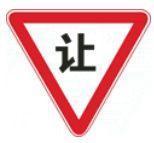
A. Right
B. Wrong
Answer: A
6. Whats the meaning of this sign?
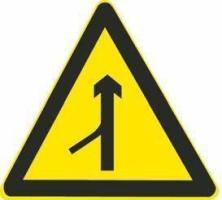
A. Y-shaped intersection
B. main road yield
C. attention to branching
D. attention to merging
Answer: D
7. When a tire blows out suddenly on the road, the driver should refrain from violently depressing the brake pedal in panic. Instead, he should try his best to shift the gear to a low position and use the engine braking to reduce the speed of the vehicle.
A. Right
B. Wrong
Answer: A
8. If the vehicle license of a motorized vehicle are lost, the vehicle owner should apply to the vehicle management station at the registration place for reissuing.
A. Right
B. Wrong
Answer: A
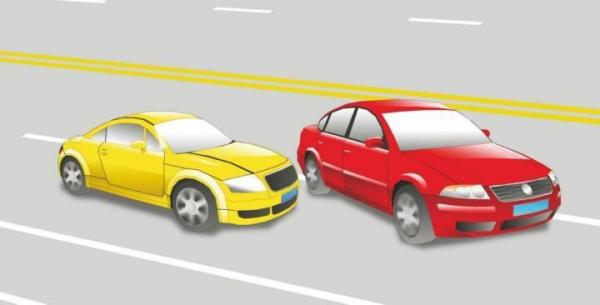
9. The method and direction of changing lanes by the red car is correct.
A. Right
B. Wrong
Answer: B
10. If a motorized vehicle driver has caused a major accident in violation of the traffic regulations which has caused heavy loss to public or private property, the driver is subject to a prison term of less than 3 years or a criminal detention.
A. Right
B. Wrong
Answer: A
11. Whats the meaning of this guide arrow on the road?
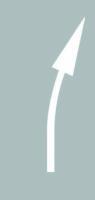
A. left curve or need to bypass from left side ahead
B. merge with the left flow due to obstacle ahead
C. right curve or need to merge with the right flow ahead
D. left curve or need to merge with the left flow ahead
Answer: C
12. In which situation that a driver cannot drive?
A. after drinking coffee
B. after drinking milk
C. after drinking
D. after drinking tea
Answer: C
13. When driving in a snowy day, the driver should drive along the vehicle tracks if there are any.
A. Right
B. Wrong
Answer: A
14. Whats the meaning of this sign?
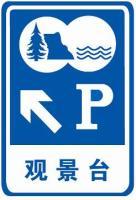
A. observation deck
B. car park
C. rest area
D. parking space
Answer: A
15. What does this sign mean?
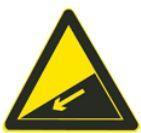
A. Reminding the side of a reservoir, lake or river ahead
B. Reminding the steep uphill road ahead
C. Reminding the steep downhill road ahead
D. Reminding continuous two or more up slopes ahead
Answer: C
16. Whats the meaning of this sign?
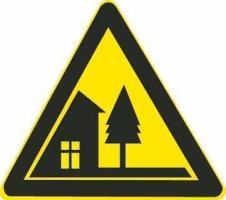
A. watch for pedestrians
B. crosswalk
C. village or town
D. primary school
Answer: C
17. Whats the meaning of this sign?
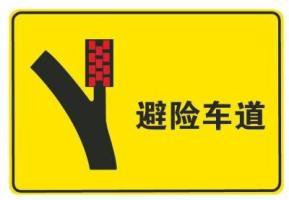
A. danger-avoiding lane
B. emergency lane
C. road shoulder
D. sharp curve
Answer: A
18. In which section cannot overtake?
A. main streets
B. elevated road
C. crosswalk
D. ring express
Answer: C
19. Whats the meaning of the white broken lines area on the far left side?

A. special lane for multi-passenger vehicles
B. special lane for small buses
C. special lane for taxis with no passenger
D. special lane for large buses
Answer: A
20. After a vehicle enters a mountain road, it should pay special attention to the continuous curves sign. In addition, it should voluntarily evade vehicles and pedestrians, reduce speed in a time manner and honk in advance.
A. Right
B. Wrong
Answer: A