

1. The applicant should apply for the cancelation of the reservation one day in advance if he is unable to take the exam by appointment, the applicant will be judged as failed in the exam if he does not take the exam on the reserved examination time.
A. Right
B. Wrong
Answer: A
2. Whats the meaning of this sign?

A. a manned level crossing 50m ahead
B. an unmanned level crossing 100m ahead
C. a manned level crossing 100m ahead
D. an unmanned level crossing 50m ahead
Answer: B
3. When a vehicle passes a level crossing, it is prohibited from overtaking.
A. Right
B. Wrong
Answer: A
4. Whats the meaning of this guide arrow?
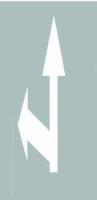
A. going straight or U turn
B. going straight or left turn
C. going straight or changing to left lane
D. left turn or U turn
Answer: B
5. Whats the meaning of the diamond broken lines on the road?

A. road construction marking
B. vertical deceleration marking
C. horizontal deceleration marking
D. fewer lanes indication marking
Answer: B
6. If the vehicle has no license plate, label of inspection or label of insurance, preserve the scene and immediately report to the police.
A. Right
B. Wrong
Answer: A
7. When a motorized vehicle breaks down on the road and is difficult to move, the driver should place a warning sign within 50 meters behind the vehicle.
A. Right
B. Wrong
Answer: B
8. When a following vehicle gives the overtaking signal, the driver should ________ if conditions permit.
A. Move to the right side and speed up
B. Voluntarily reduce speed and drive along the right side
C. Yield a proper space and speed up
D. Reduce speed rapidly or apply an emergency braking
Answer: B
9. Whats the meaning of this guide arrow?
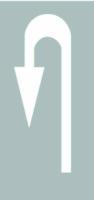
A. change to left lane
B. going straight ahead
C. U turn ahead
D. right turn ahead
Answer: C
10. A motorized vehicle that will turn right at an intersection but has a vehicle in front in the same lane waiting for the green light should ______________.
A. Stop and wait for his turn
B. Honk to indicate the vehicle in front to yield
C. Bypass the vehicle in front from the right side and go through the intersection
D. Bypass the vehicle in front from the left side and go through the intersection
Answer: A
11. When a vehicle runs on a narrow mountain road, the driver should ______ if the party close to the mountain mass refuses to yield.
A. Honk to urge the other party to yield
B. Maintain the normal speed
C. Reduce speed or stop to yield
D. Use the left lane and pass with care
Answer: C
12. How to use lights when changing to the left lane on road?
A. turn on the right-turn signal in advance
B. not need to turn on any turn signal
C. turn on the left-turn signal in advance
D. turn on the low beam lights in advance
Answer: C
13. A motorized vehicle driver who illegally occupies the emergency lane on the expressway is subject to a 6-point penalty.
A. Right
B. Wrong
Answer: A
14. What does the traffic light mean?
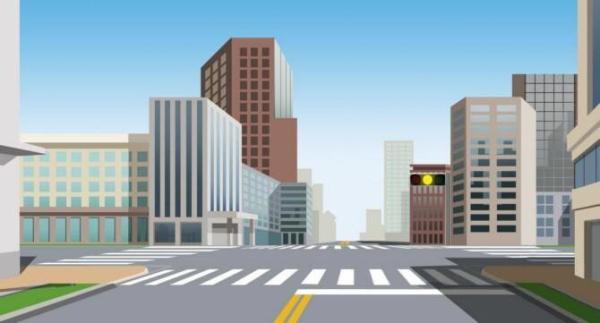
A. speed up and turn left
B. no right turn
C. intersection warning
D. speed and run straight
Answer: C
15. After causing a road accident, the vehicle driver needs to change the scene for rescuing the wounded, the driver should mark the location.
A. Right
B. Wrong
Answer: A
16. It lights to indicate that the generator is charging to the batteries.

A. Right
B. Wrong
Answer: B
17. What kind of lane that the red car running in?
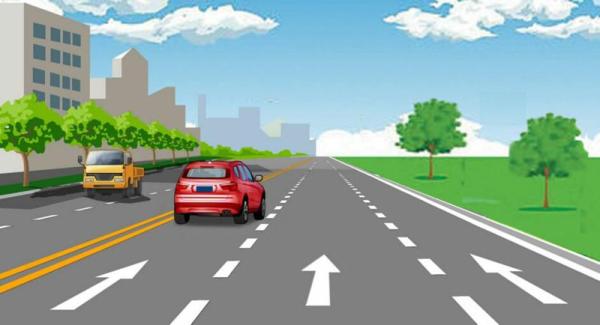
A. fast lane
B. slow lane
C. emergency lane
D. special lane
Answer: A
18. You can drive directly into the expressway from this position.
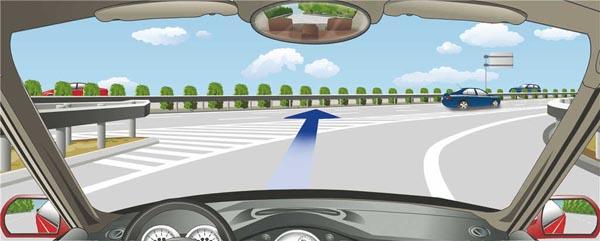
A. Right
B. Wrong
Answer: B
19. This sign warns two neighboring inverse curves ahead.
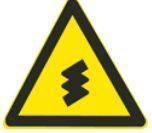
A. Right
B. Wrong
Answer: B
20. How to do in this intersection?
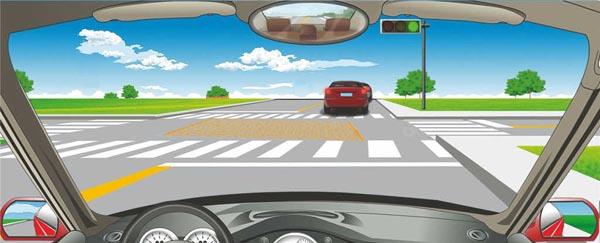
A. wait in the cross-hatched marking area
B. stop and wait outside the intersection
C. follow the vehicle in front and pass
D. wait inside the intersection
Answer: B