

1. May not turn on the turn signal when overtaking.
A. Right
B. Wrong
Answer: B
2. This sign warns a sharp left curve ahead.
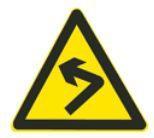
A. Right
B. Wrong
Answer: A
3. Driving a motorized vehicle on the expressway is not allowed to exceed the marked maximum speed.
A. Right
B. Wrong
Answer: A
4. It flashes when turning on the hazard lights.

A. Right
B. Wrong
Answer: A
5. The validity of the driving license which is initially applied for is 4 years.
A. Right
B. Wrong
Answer: B
6. Whats the meaning of this sign?
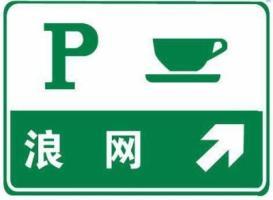
A. expressway parking area ahead
B. expressway shelter ahead
C. expressway car park ahead
D. expressway service area ahead
Answer: A
7. It lights to remind that engine needs to add oil.

A. Right
B. Wrong
Answer: B
8. Whats the meaning of this sign?
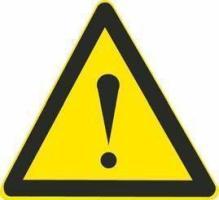
A. reduce speed and go slowly
B. watch for danger
C. jammed section
D. accident-prone section
Answer: B
9. Whats the meaning of this sign?
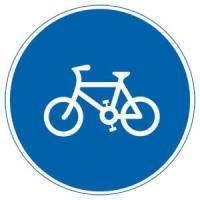
A. electric bicycles may go
B. parking space for non-motorized vehicles
C. parking area for non-motorized vehicles
D. non-motorized vehicles may go
Answer: D
10. It lights when turning on the right-turn signal.

A. Right
B. Wrong
Answer: B
11. Which is correct in this kind of intersection?

A. make a U turn along the left lane
B. cannot make a U turn
C. make a U turn through the middle lane
D. make a U turn inside the intersection
Answer: B
12. Within how long should a driver whose information has changed apply for new license?
A. 30 days
B. 40 days
C. 50 days
D. 60 days
Answer: A
13. This small car can not stop here.
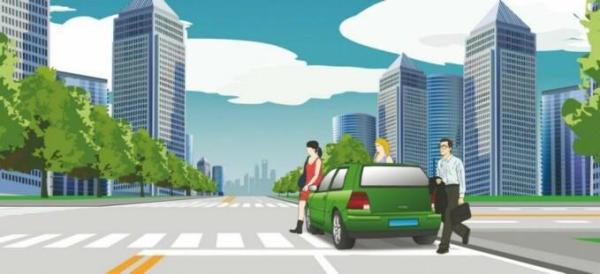
A. Right
B. Wrong
Answer: A
14. Whats the meaning of this sign?
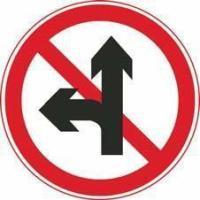
A. no going straight and no changing to left lane
B. no going straight and no left turn
C. allowed to go straight and turn left
D. no going straight and no right turn
Answer: B
15. What is this traffic sign?
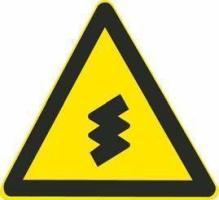
A. slippery section
B. sharp curve
C. inverse curve
D. continuous curves
Answer: D
16. What markings are the two double yellow broken lines on the road?
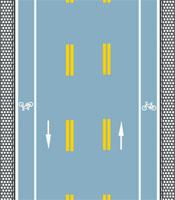
A. two-way lanes dividing line
B. variable lane line
C. lane-dividing line that can be crossed
D. one-way lanes dividing line
Answer: B
17. It lights to indicate that ______

A. the hazard lights flash
B. right-turn signal flashes
C. left-turn signal flashes
D. front and rear width lights flash
Answer: A
18. When a vehicle goes down a long slope, it should run at a lower gear and fully use the engine to brake.
A. Right
B. Wrong
Answer: A
19. This sign reminds bump road ahead which may causes bump phenomenon.
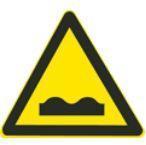
A. Right
B. Wrong
Answer: A
20. How to pass through the unmanned level crossing without traffic lights?
A. properly reduce speed to pass
B. slide over in the neutral gear
C. stop to make sure it is safe, then pass
D. speed up and pass as fast as possible
Answer: C