

1. When a vehicle changes lane, the driver only needs to turn on the turn signal before rapidly entering the new lane.
A. Right
B. Wrong
Answer: B
2. Whats the meaning of this sign?

A. bump road
B. high outburst road
C. low-lying road
D. hump bridge
Answer: B
3. Whats the meaning of this sign?
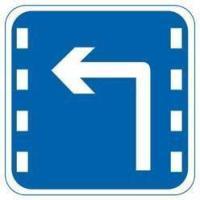
A. right-turn lane
B. U turn lane
C. left-turn lane
D. lanes for going in different directions
Answer: C
4. How to drive through the intersection without traffic lights?
A. reduce speed and go slowly
B. speed up and pass
C. let large vehicle go first
D. let the left vehicle go first
Answer: A
5. This sign warns a sharp left curve ahead.
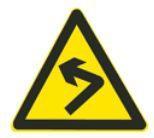
A. Right
B. Wrong
Answer: A
6. As the braking distance increases on a wet road in a rainy day, the driver should use the emergency brake as much as possible to reduce speed.
A. Right
B. Wrong
Answer: B
7. When discovering the persons injured in a traffic accident need rescue while driving, the driver should _________.
A. Send the injured persons to hospital in a timely manner or make emergency calls
B. Dodge as much as possible
C. Go ahead by bypassing the scene
D. Find an excuse to dodge the scene
Answer: A
8. A motorized vehicle driver who escapes after causing a traffic accident but his conduct does not constitute a crime, is subject to a ________.
A. 3-point penalty
B. 2-point penalty
C. 12-point penalty
D. 6-point penalty
Answer: C
9. Driving motor vehicle with ABS system may occur side skidding when applying emergency braking.
A. Right
B. Wrong
Answer: A
10. Whats the meaning of this sign?
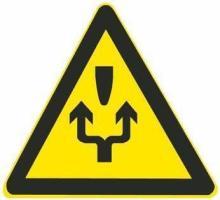
A. bypass at construction section
B. two-way traffic
C. bypass from left or right side
D. watch for danger
Answer: C
11. Whats the meaning of this sign?
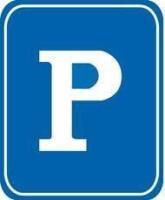
A. internal car park
B. special car park
C. uncovered car park
D. indoor car park
Answer: C
12. Which lane to choose when turning left in this intersection?
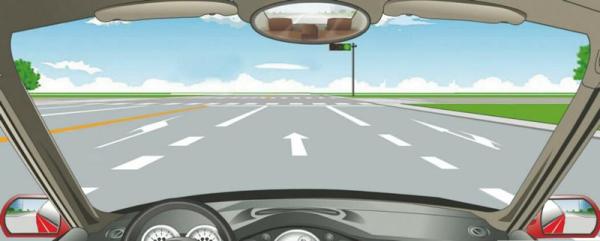
A. the far left lane
B. middle lane
C. not need to change lane
D. the far right lane
Answer: A
13. If the drivers household register has moved out of the original vehicle management station, the driver should apply to the vehicle management station _______ .
A. At the former place of his household register
B. At the residential place
C. At the new place of his household register
D. At the location of his household register
Answer: C
14. When following a vehicle on the road, the distance from the vehicle in front is not important. As long as the driver goes forward at the same speed as the vehicle in front does, he can avoid rear-end collision.
A. Right
B. Wrong
Answer: B
15. Whats the meaning of this sign?

A. bump road
B. low-lying road
C. high outburst road
D. hump bridge
Answer: B
16. When driving a small vehicle downhill, the driver may coast down by stopping the engine.
A. Right
B. Wrong
Answer: B
17. When encountering disabled people obstructing the traffic, the driver should voluntarily reduce speed and yield.
A. Right
B. Wrong
Answer: A
18. Whats the meaning of the yellow solid line on the curbstone?
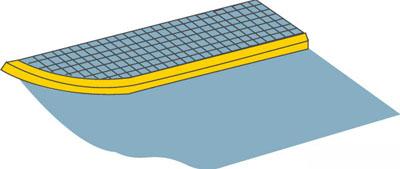
A. only for taking and dropping people
B. only for loading and unloading cargos
C. no long stopping
D. no parking
Answer: D
19. What is the role of ABS system when applying emergency braking?
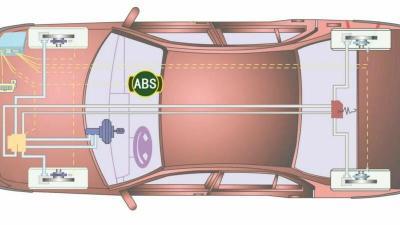
A. cut off the power output
B. control the direction automatically
C. reduce braking inertia
D. prevent wheel blocking
Answer: D
20. It lights while driving to indicate that ______

A. engine temperature is too high
B. engine cooling system malfunction
C. engine lubrication system malfunction
D. engine temperature is too low
Answer: A