

1. Which kind of sign is it?
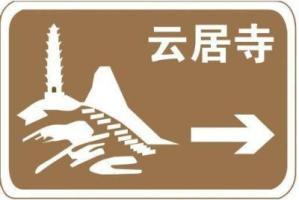
A. tourist zone sign
B. work area sign
C. notification signs
D. expressway sign
Answer: A
2. A driver should observe the dynamic situation of the rear side vehicles before driving into the traffic flow from other road.
A. Right
B. Wrong
Answer: A
3. Whats the meaning of this mark on the road?
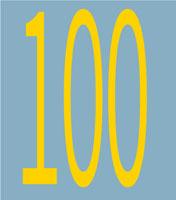
A. average speed is 100km/hr
B. minimum speed limit is 100km/hr
C. 100km/hr speed limit ban is lifted
D. maximum speed limit is 100km/hr
Answer: D
4. This sign reminds strong side wind ahead.
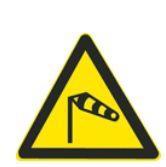
A. Right
B. Wrong
Answer: A
5. How long can a driver drives without rest?
A. less than 6hrs
B. less than 8hrs
C. less than 10hrs
D. less than 4hrs
Answer: D
6. How to run when seeing this traffic light at level crossing?
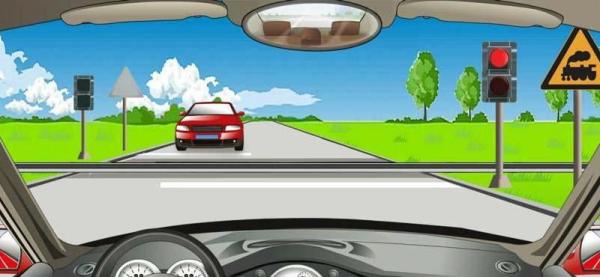
A. pass before the train comes
B. no exceeding the stop line
C. observe and pass slowly
D. speed up and pass without changing gear
Answer: B
7. The doors of both sides are not closed if it lights.

A. Right
B. Wrong
Answer: A
8. What is this manipulation device?
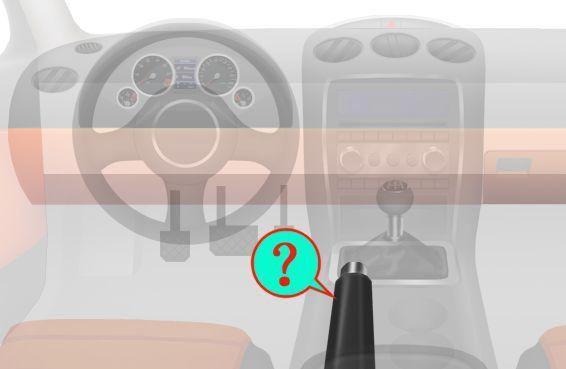
A. the air throttle lever
B. the gear lever
C. the clutch lever
D. the handbrake
Answer: D
9. When a motorized vehicle encounters the cut in by another vehicle in a roundabout, the driver may not evade as long as he has the right of way.
A. Right
B. Wrong
Answer: B
10. If a motorized vehicle driver has caused a major accident in violation of the traffic regulations which has caused heavy loss to public or private property, the driver is subject to a prison term of less than 3 years or a criminal detention.
A. Right
B. Wrong
Answer: A
11. Whats the meaning of these white rectangle markings?

A. long time parking
B. time limited parking
C. free parking
D. special parking
Answer: B
12. A rear tire blowout can sway the tail of the vehicle. The driver should firmly hold the steering wheel with both hands to ensure the vehicle go straight, reduce speed and then stop.
A. Right
B. Wrong
Answer: A
13. After entering the acceleration lane of an expressway, the driver should increase the speed to more than _________ per hour.
A. 50
B. 60
C. 30
D. 40
Answer: B
14. No turning right at the intersection ahead.

A. Right
B. Wrong
Answer: B
15. The age limit of applying for small vehicle is ________ .
A. 18~60 years old
B. 18~70 years old
C. 24~70 years old
D. 21~50 years old
Answer: B
16. A front tire blowout is very dangerous. The vehicle will immediately turn to the side where the tire is blown out and have a direct impact on the drivers control of the steering wheel.
A. Right
B. Wrong
Answer: A
17. When entering an expressway toll gate, the driver should select a gate where _______.
A. There are more vehicles
B. The red light is on
C. The green light is on
D. Service is temporarily suspended
Answer: C
18. When a vehicle has increased its speed to more than 60 kilometers per hour on the ramp of an expressway, it may directly enter the carriageway.
A. Right
B. Wrong
Answer: B
19. When running on an expressway that has four lanes in the same direction, the vehicles whose speed is higher than 110 kilometers per hour should run ______.
A. The far left lane
B. The second left lane
C. The far right lane
D. The third left lane
Answer: A
20. May stop temporarily in the lane for non-motorized vehicles in this section.
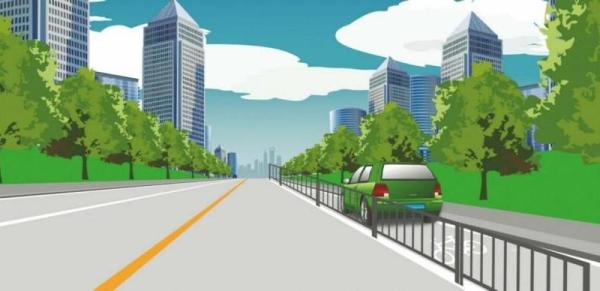
A. Right
B. Wrong
Answer: B